


Formal Approval for Integration of Six Shiv Sena Legislators
Lok Sabha Speaker Om Birla has officially sanctioned a structural change within the parliamentary ranks involving Members of Parliament (MPs) from the regional political party Shiv Sena. The specific action taken by the presiding officer was to approve the merger of six MPs who previously belonged to the faction led by Uddhav Balasaheb Thackeray, often referred to as Shinde group in reports regarding this realignment.
This administrative decision has resulted in a numerical increase for the ruling Shiv Sena contingent within the lower house. Following the formal acceptance of these six legislators into the fold of Eknath Shinde’s faction, official records indicate that the strength of the ruling party in the Lok Sabha now stands at 13 MPs.
The Speaker’s office communicated this development through an official channel to relevant parliamentary stakeholders. The communication serves as a confirmation that these six individuals are no longer counted under their previous designation but have been legally integrated into the Shinde-led group for the duration of the current legislative term or until further notice.
This consolidation occurs within the broader context of political realignments observed in recent months across Indian state and national politics. The Speaker’s role in these matters is strictly procedural, ensuring that parliamentary seating arrangements align with the recognized party affiliations as submitted by respective party leadership structures or through formal petitions.
By approving this merger, the Lok Sabha administration has updated its internal records to reflect the current composition of political groups. This update ensures that voting blocs and floor tests conducted in future sessions will accurately represent the membership counts of various factions within the House.
Separate Seating Arrangements for Trinamool Congress Rebels
In a parallel development concerning seating arrangements, the Speaker has also granted approval for twenty Members of Parliament from the Trinamool Congress (TMC) to be seated separately. These legislators are currently classified as rebels within their own party structure.
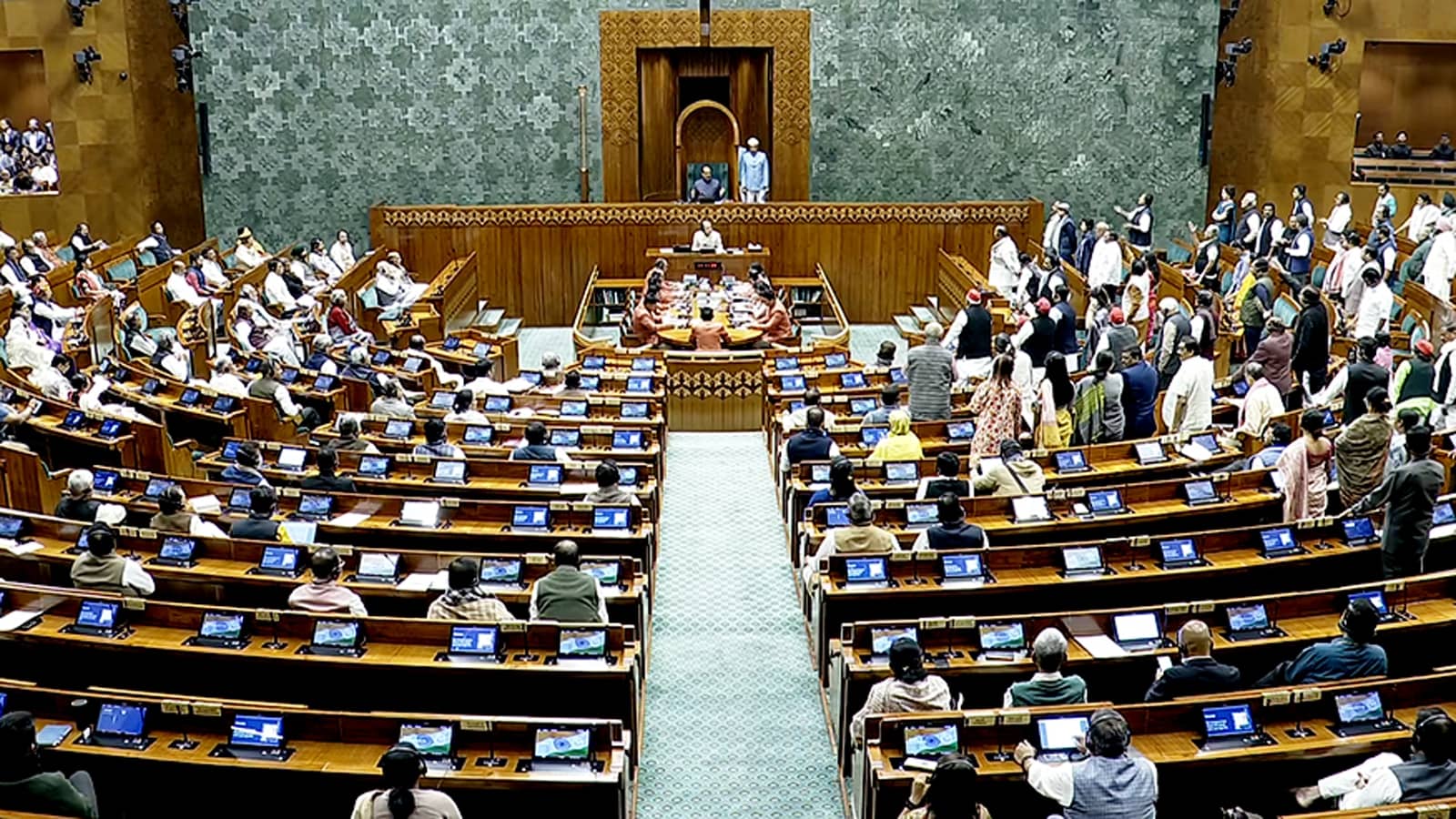
The decision addresses logistical and procedural requirements regarding where these specific MPs should sit during parliamentary proceedings. The arrangement allows them distinct physical locations on the floor, separate from the main TMC group or other opposition benches.
Such administrative approvals often follow internal disputes between state-level leadership and central party headquarters. In cases involving rebel legislators who have defied party whips but remain technically affiliated with a political organization, procedural mechanisms allow for their continued participation in legislative business while maintaining distinct seating to avoid confusion during roll calls or debates.
The approval of separate seating does not necessarily imply recognition by the Speaker’s office regarding the legitimacy of any rebellion claims. Rather, it represents an administrative accommodation that permits these MPs to continue attending sessions without disrupting parliamentary decorum or violating established rules governing party discipline and floor management.
Implications for National Democratic Alliance Strength
Pundits and political analysts have characterized these developments as a net gain in numbers for the National Democratic Alliance (NDA). The NDA is the coalition of parties supporting Prime Minister Narendra Modi’s government at the center.
The increase in Shiv Sena MPs from 7 to 13, following the absorption of six former Uddhav Balasaheb Thackeray-aligned legislators, directly contributes to a larger voting bloc within the alliance. This shift potentially alters arithmetic calculations for future confidence motions or budget approvals that require majority support.
Political observers note that such realignments frequently occur in anticipation of major parliamentary sessions where legislative agendas are set and critical votes on government policies take place. The upcoming Monsoon Session is expected to be a period of heightened activity, with numerous bills awaiting passage through the Rajya Sabha before being voted upon in the Lok Sabha.
The timing of these approvals suggests strategic maneuvering by various party leaders ahead of crucial voting cycles. By securing additional members within their respective groups or alliances, leadership teams aim to fortify their positions against potential challenges from opposition parties or internal dissenters who might seek to destabilize government support.
Procedural Context and Future Parliamentary Dynamics
The actions taken by Speaker Om Birla reflect the standard operating procedures of India’s lower house regarding party recognition and seating arrangements. The Speaker does not adjudicate on political merits or ideological alignments but acts as an administrator ensuring that parliamentary rules are followed.
When a group petitions to merge with another recognized faction, the Speaker reviews documentation verifying membership claims before granting approval. In this instance, six Shiv Sena (UBT) MPs successfully petitioned for integration into Eknath Shinde’s group and received formal acceptance from the presiding officer.
Similarly, rebel TMC legislators seeking separate seating must demonstrate that their situation requires administrative distinction to maintain order on the floor. The Speaker granted this request after reviewing petitions submitted by party representatives or directly affected MPs.
No official statements were released detailing internal deliberations behind these decisions beyond the formal communications sent through parliamentary channels. Consequently, speculations regarding motivations remain outside the scope of verified facts available in public records at this time.