

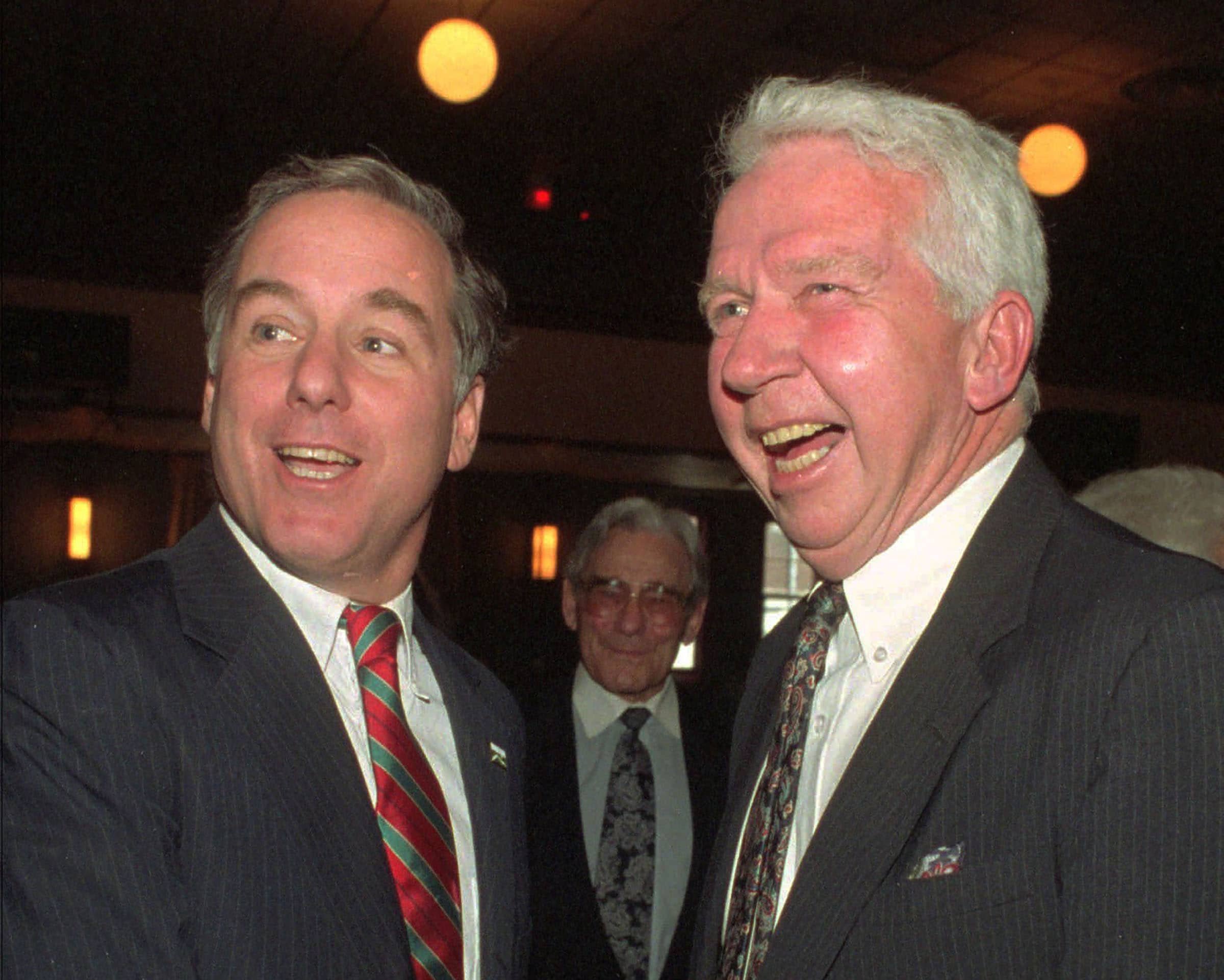

A Powerful Legislative Figure Passes
Ralph Wright, the longest-serving and most powerful House speaker in Vermont history, has died at the age of 91. His passing marks the end of an era for the state's political landscape, where he was known for his significant influence over legislative processes.
Wright’s tenure as speaker left a distinct mark on Vermont politics, characterized by a dual reputation among colleagues and constituents. He is described as both "revered and feared" for his ability to shape policy and manage the state's legislative body. His leadership style and political acumen were central to the functioning of the Vermont House of Representatives during his time in office.
The recognition of Wright’s prominence places him alongside other major figures who defined 20th-century Vermont politics. His influence is noted in historical accounts alongside politicians such as Madeleine Kunin, Richard Snelling, and Howard Dean. These figures collectively shaped the state's direction during a period of significant political evolution.
Legacy of Legislative Transformation
Wright’s legacy is defined by his role in transforming the state's legislature. During his time as speaker, he championed various initiatives that altered the operational and policy frameworks of the Vermont government. His work extended beyond procedural management to substantive legislative achievements.
Championing Civil Rights
A significant component of Wright’s political career was his advocacy for civil rights legislation. He is credited with championing these measures, which contributed to the social and legal framework of the state. His support for civil rights issues positioned him as a key architect of modern Vermont governance.
Historical Context and Political Recognition
The scope of Wright’s influence is highlighted in historical records that document the rise of prominent 20th-century Vermont politicians. In his 2006 memoir, "Dateline Vermont," Montpelier journalist Chris Graff recounted the careers of several key political figures.
Graff’s account details the trajectories of Madeleine Kunin, who served as the state’s first woman governor; Richard Snelling, the chief executive who died in office; and Howard Dean, a physician who later became a presidential candidate. Wright’s prominence is situated within this group of central political actors.
While Graff’s narrative focuses on these widely recognized figures, Wright’s role as a powerful speaker is noted as a secondary yet central element of Vermont’s political history during that period. His position allowed him to exert influence comparable to the executive leaders and presidential candidates who often receive more public attention.
Impact on State Governance
The description of Wright as "revered and feared" underscores the intensity of his political presence. This characterization reflects the high stakes involved in legislative negotiations during his speakership. His ability to command respect and instill caution among peers contributed to his longevity and power in the House.
As the longest-serving speaker in Vermont history, Wright’s tenure provided a continuous thread of leadership through various political shifts. His death at 91 concludes the life of a politician who was integral to the state's legislative operations for decades.
The acknowledgment of Wright alongside figures like Kunin, Snelling, and Dean illustrates the breadth of his impact. While their careers spanned different branches of government or national stages, Wright’s power within the House of Representatives remained a defining feature of Vermont politics throughout the late 20th century.