

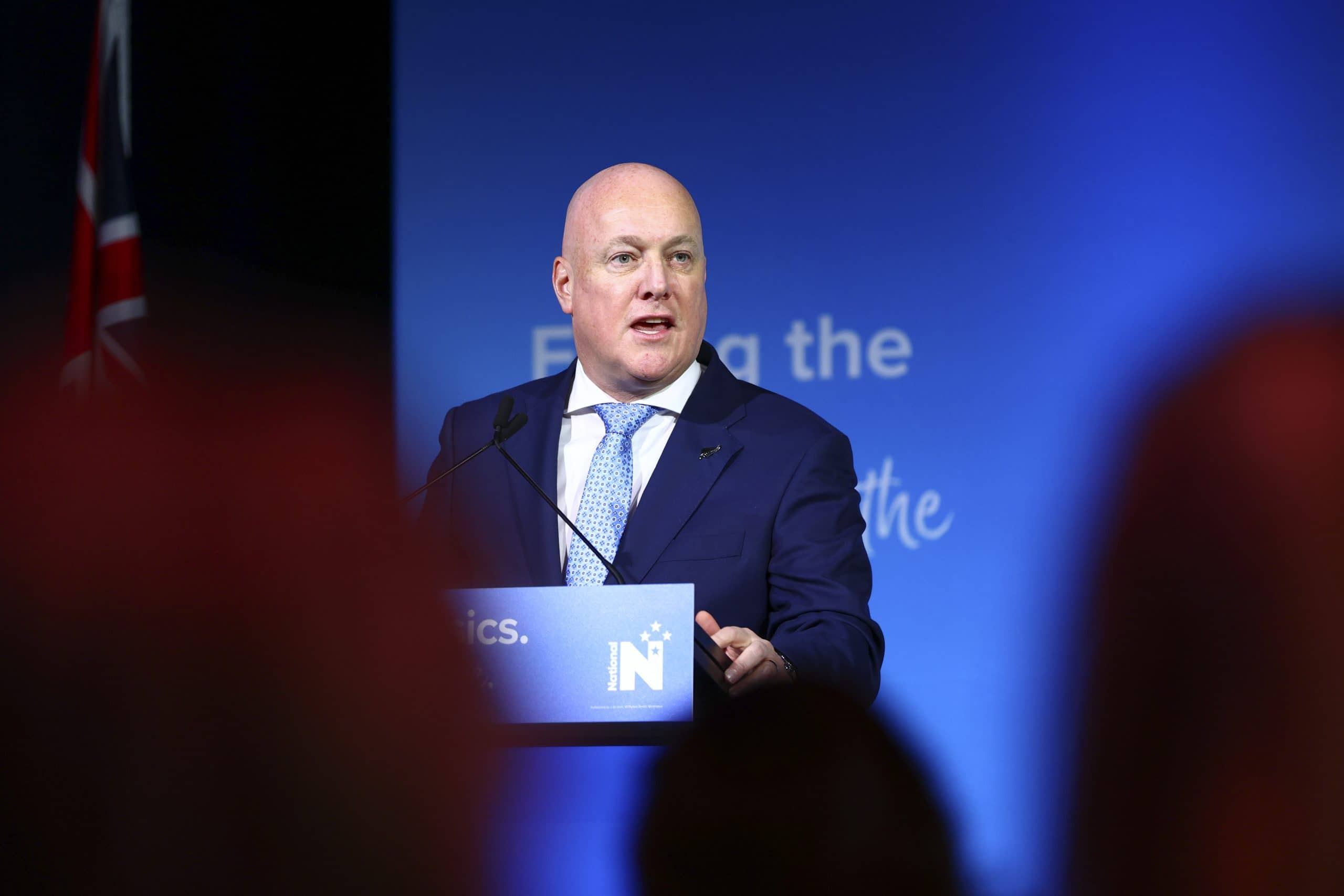

Prime Minister Pledges Electoral Referendum
Prime Minister Christopher Luxon has announced that he will call for a referendum on New Zealand’s Mixed Member Proportional (MMP) electoral system if his party is returned to power. The statement marks a specific commitment regarding the country's voting framework, which has been in place since 1996.
Luxon described the potential referendum as "something we should consider." He expressed a desire for the vote to take place next year, indicating a timeline for the process if the National Party secures victory in future elections. The announcement positions the electoral system as a key issue in the upcoming political landscape.
Details on the Proposed Vote
The Prime Minister’s comments clarify the conditions under which the referendum would be initiated. Luxon stated that the vote is contingent upon his party winning power. This condition ties the fate of the MMP system directly to the outcome of the next general election.
Timeline and Implementation
In addition to the condition of winning office, Luxon specified a target timeframe for the referendum. He stated that he wants to see the vote happen "next year." This timeline suggests an accelerated process should the National Party form the government after the election. The Prime Minister did not elaborate on the specific legislative steps required to initiate the referendum within that period.
The proposal focuses solely on the mechanism of a public vote rather than detailing the potential outcomes or alternative systems that might be presented to voters. Luxon’s remarks frame the referendum as a consideration for the electorate, rather than a guaranteed policy shift regardless of electoral results.
Context of the Electoral System
Mixed Member Proportional (MMP) is the current voting system used in New Zealand to elect members of Parliament. Under this system, voters have two votes: one for a political party and one for an individual candidate in their local electorate. The party vote determines the proportion of seats each party receives in Parliament, while the electorate vote determines who represents specific geographic areas.
The introduction of MMP was a major shift from the previous First Past the Post (FPP) system. Proponents argue that MMP ensures a more representative parliament where smaller parties have a voice, while critics often point to coalition governments and perceived instability as drawbacks. Luxon’s pledge to hold a referendum brings these longstanding debates back to the forefront of national political discourse.
The Prime Minister’s commitment to consider the system reflects a broader debate within New Zealand politics about governance and representation. By linking the referendum to his party’s electoral success, Luxon has made the future of MMP a central question for voters in the upcoming election cycle.
Political Implications
The announcement places pressure on other political parties to define their stance on the electoral system. While Luxon has outlined his position, responses from opposition leaders regarding the feasibility or desirability of such a referendum were not included in the immediate reports. The focus remains on the Prime Minister’s declaration and the conditions attached to it.
As the election approaches, the potential for an MMP referendum is likely to influence campaign strategies and voter decisions. Luxon’s statement provides a clear policy position that voters can evaluate against other parties’ platforms. The outcome of this political question will depend on whether the National Party wins power and subsequently follows through on the pledge made by its leader.
The referendum, if held, would represent a significant moment in New Zealand’s democratic history, as it would allow citizens to directly decide on the method by which their representatives are chosen. Luxon’s desire for the vote to occur "next year" underscores the urgency with which his party views the issue.