

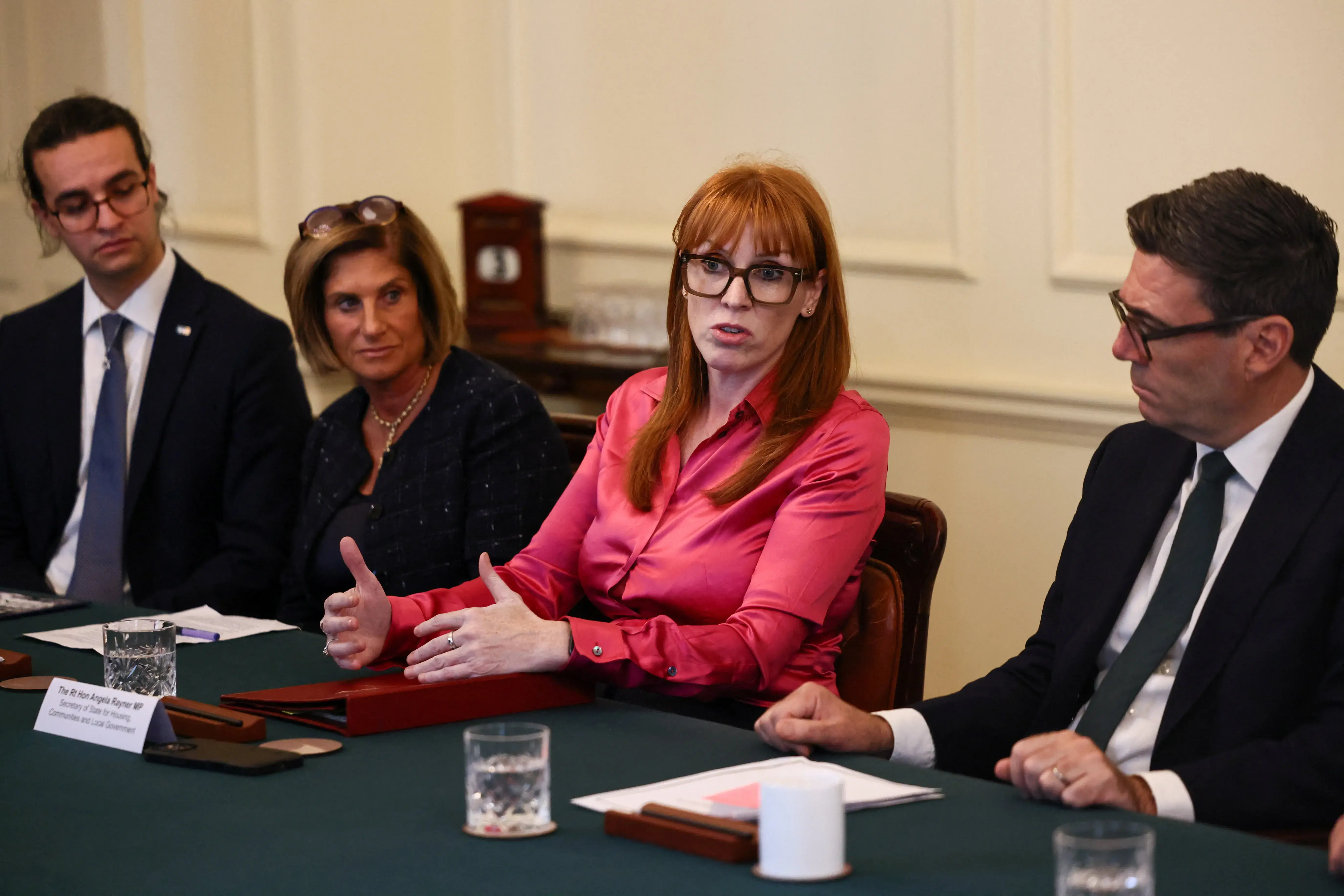

Rayner Challenges Immigration Policy Changes
Communities Secretary Angela Rayner has publicly criticized Home Secretary Shabana Mahmood regarding recent changes to immigration rules for foreign social care workers. According to a report by the Huffington Post, a cabinet split has erupted following Rayner's condemnation of the crackdown. Rayner stated that the reforms effectively "changed the goalposts" by making it more difficult for these workers to secure permanent residence in the United Kingdom.
The policy adjustment increases the timeline required for permanent residence from five years to 15 years. This change applies to all foreign social care workers who have arrived in the country since 2021.
Speaking to The Times, Rayner maintained her previous characterization of the changes as "un-British." She described the policy shift as "very disruptive" for carers who were recruited to look after vulnerable individuals. Rayner expressed concern regarding workers who dedicated years to caring for others before facing extended barriers to permanent status.
Government Defends Immigration Framework
Culture Secretary Lisa Nandy supported Mahmood’s approach, telling Radio 4’s Today programme that there has never been an automatic right to citizenship for most individuals arriving in the UK from overseas. Nandy stated that the Home Secretary is attempting to balance respect for those who contribute to the country with the necessity of maintaining a public immigration system that citizens can have confidence in.
Economic Growth Concerns Raised
On the eve of the Labour party’s annual conference in Liverpool, additional divisions within the government emerged regarding economic strategy. A former cabinet minister stated that Andy Burnham is not doing enough to boost economic growth, adding to his challenges at the conference.
Former science secretary Peter Kyle, who was sacked by Andy Burnham when he replaced Keir Starmer as prime minister, argued that the government needed to do more to grow the economy. Kyle told the BBC that officials should consider slowing the rollout of new worker rights. He suggested having honest conversations with unions about sequencing these rights to ensure shorter-term economic growth.