


Exploring Ancient Wisdom Within Contemporary Geopolitical Frameworks
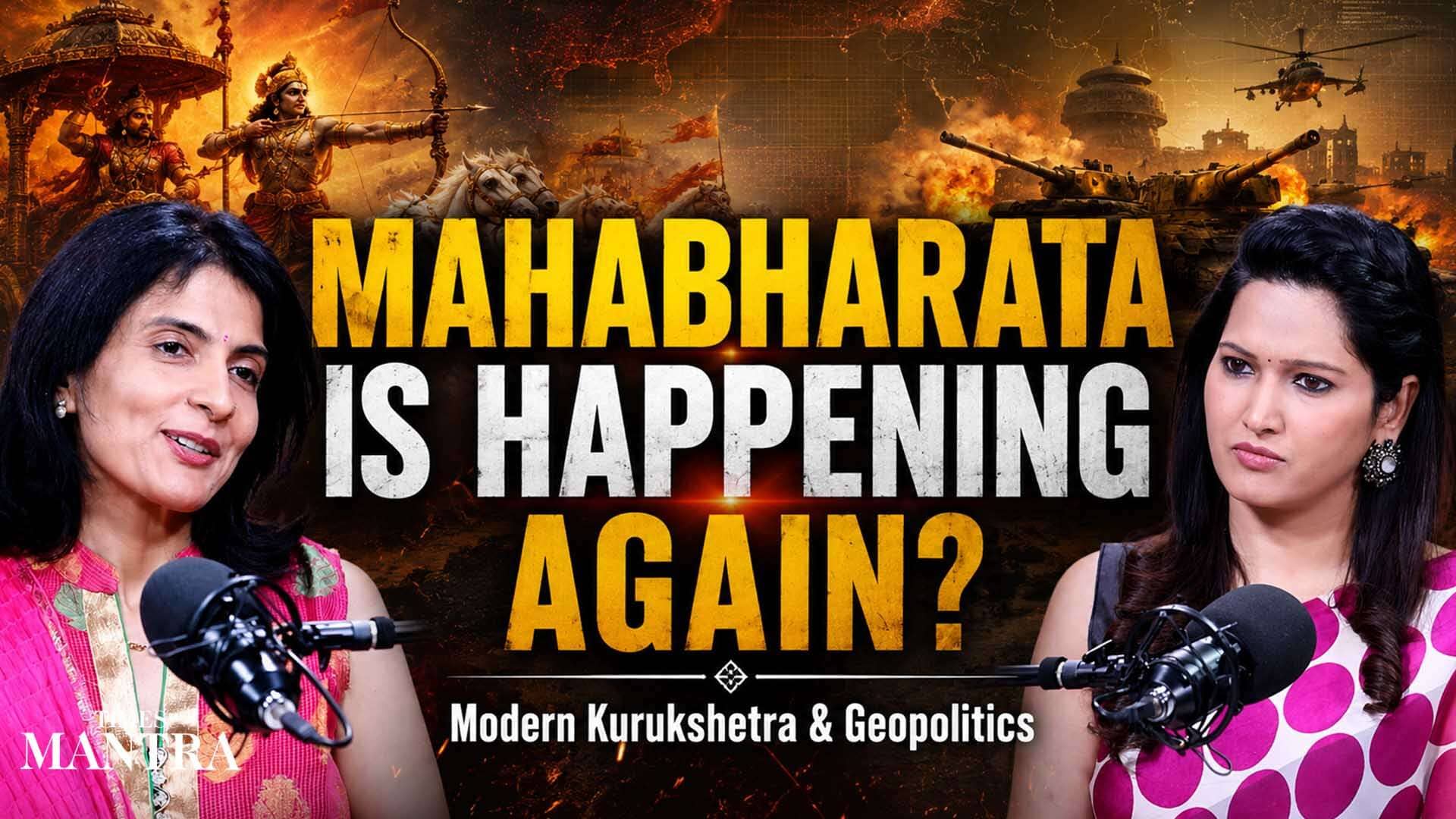
The discussion centers on a specific inquiry regarding whether the narrative of the Mahabharata can provide utility in understanding modern geopolitical tensions. This conversation features Ami Ganatra, who serves as an expert voice analyzing these connections between ancient texts and current world affairs.
Ami Ganatra explores the timeless lessons contained within the Mahabharata during this thought-provoking session. The analysis focuses on specific thematic elements found in the epic that are frequently compared to difficulties encountered by modern societies. These themes include dharma, leadership structures, diplomatic relations, and conflict resolution.
The conversation posits a direct link between historical narratives and present-day governance challenges. According to Ganatra, these ancient lessons offer potential applications for addressing issues in global affairs today. The discussion suggests that the principles outlined in the epic are not merely historical artifacts but active tools for analyzing current societal structures.
Themes of Dharma and Leadership Applied To Modern Governance
A primary focus of the analysis involves how themes regarding dharma relate to modern governance models. The discussion examines whether concepts derived from ancient Indian history can inform contemporary discussions about civilization and spirituality.
The conversation highlights specific comparisons made between challenges in the modern world and events described in the Mahabharata. Ganatra notes that these thematic parallels are often cited when analyzing complex international relations. The analysis suggests that leadership styles discussed within the epic may offer insights into current political dynamics.
According to the source context, the dialogue addresses how diplomatic strategies from ancient times might be relevant today. The expert argues that understanding conflict through an historical lens can provide clarity on modern disputes. This perspective is presented as a method for viewing global affairs without relying solely on contemporary frameworks.
The Relevance of Spiritual Concepts In Political Discourse
Ami Ganatra discusses why the Mahabharata continues to be relevant in current discussions about society and governance. The analysis indicates that spiritual concepts embedded within the epic hold significance for modern audiences seeking alternative perspectives on leadership.
The conversation explores how societal challenges today are often compared with ancient narratives found in the text. Ganatra suggests that these comparisons help contextualize contemporary issues within a broader historical framework. This approach allows observers to view current events through the lens of established philosophical traditions.
Comparative Analysis Between Historical Narratives And Current Events
The discussion includes an exploration of how themes found in the Mahabharata are often compared with challenges facing modern nations. The analysis does not claim that specific historical battles map directly onto current conflicts but rather suggests thematic resonance.
According to Ganatra, the epic offers insights into why it remains a subject of interest for those studying global affairs and civilization development. The conversation emphasizes that these insights are drawn from an examination of leadership and conflict resolution strategies presented in ancient texts.
The source material notes that this analysis is part of a broader effort to understand how traditional wisdom can inform modern geopolitical thinking. Ami Ganatra presents the Mahabharata not as a direct predictor of future events but as a repository of principles relevant to ongoing discussions about power and responsibility.
Implications For Understanding Global Tensions Through Historical Lenses
The conversation concludes with an examination of how these ancient lessons can be applied to modern global affairs. Ganatra suggests that the relevance lies in the adaptability of core themes such as duty, ethical conduct, and statecraft.
According to the provided research notes, the discussion aims to demonstrate why this ancient epic continues to feature prominently in contemporary conversations about society and governance. The analysis maintains a focus on factual reporting regarding what was discussed during the session with Ami Ganatra.
The Times of India published this video content featuring Ami Ganatra under the title "Mahabharata Is Happening Again? Modern Kurukshetra & Global Geopolitics." The publication date associated with this release is July 04, 2026. This timing indicates a recent examination of these topics within current media landscapes.
Ami Ganatra explores the timeless lessons of the Mahabharata and discusses how its themes are often compared to challenges in the modern world. The discussion invites viewers to consider why this ancient epic continues to be relevant in contemporary discussions about society, governance, and global affairs. This perspective is offered as a framework for understanding complex interactions between historical precedent and present-day reality.
The analysis presented by Ganatra suggests that themes of dharma, leadership, diplomacy, and conflict are central to both the epic narrative and modern geopolitical discourse. By examining these parallels, observers may gain new insights into how ancient wisdom informs current debates about civilization and spirituality. The conversation serves as a platform for considering whether historical texts can offer practical guidance for navigating today's intricate global environment.
According to Ganatra, the relevance of the Mahabharata stems from its ability to address universal human concerns that persist across centuries. This view is shared within the context of discussions about how traditional knowledge systems interact with modern political science and international relations theory. The session underscores the ongoing interest in bridging ancient philosophy with contemporary problem-solving approaches.
The conversation ultimately focuses on why this ancient epic continues to be relevant in current discussions about society, governance, and global affairs. By highlighting these connections, Ami Ganatra provides a perspective that links historical narrative analysis with modern geopolitical strategy without asserting definitive causal relationships between past events and present outcomes.