

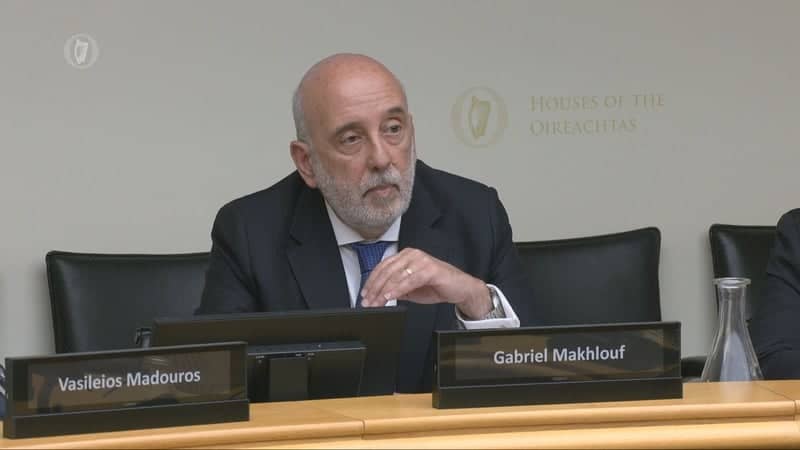

Central Bank Governor Defends Actions on Israeli War Bonds
On Wednesday, July 15, 2026, Gabriel Makhlouf, Governor of the Central Bank of Ireland, presented testimony before a sitting of the Oireachtas Finance Committee. His appearance was prompted by ongoing public and political scrutiny concerning the Central Bank's involvement with, and management of, controversial Israeli war bonds. During the session, Governor Makhlouf firmly asserted that the institution, under his leadership, has consistently acted within the bounds of the law in its handling of these specific financial instruments.
Makhlouf Addresses Oireachtas Finance Committee
The Governor's testimony was a direct response to questions raised about the Central Bank's operations and its interactions with foreign sovereign debt issuances, particularly those deemed contentious. Makhlouf made these comments while addressing the committee, stating clearly that he appreciates how important the Israeli Bond Programme is to the Irish public. This acknowledgment underscored the sensitive nature of the topic and the widespread interest it has garnered across Ireland, influencing the public discourse surrounding the Central Bank's role.
Legal Mandate and Operational Limits Asserted
Despite acknowledging the programme's importance and maintaining his stance on strict legal compliance, Makhlouf explicitly rejected claims that the Central Bank possessed the authority or means to have prevented the issuance of these bonds last year. His statement addressed retrospective inquiries into whether alternative actions were available to the institution during previous fiscal cycles involving Israeli sovereign debt. Furthermore, looking ahead to the fiscal period beginning in 2026, he conveyed his belief that the institution is similarly unable to prevent their issuance again this year. This position clarifies the Central Bank's perceived limitations within its established legal and operational frameworks governing its engagement with international financial instruments.
Scrutiny Over Sovereign Debt and Central Bank Mandate
Makhlouf's appearance before the Oireachtas Finance Committee took place amidst a backdrop of significant public discourse, where specific allegations regarding the bank's ability to influence bond sales have been circulating. These assertions questioned the extent of the Central Bank's power and responsibility concerning investments in sovereign debt instruments, especially those with geopolitical implications. Makhlouf directly addressed these claims by stating that he rejects suggestions that the bank could have acted differently, emphasizing adherence to established legal frameworks governing the Central Bank of Ireland.
Acknowledging Public Concern
The Governor's appreciation for the public's interest in the Israeli Bond Programme highlighted the broader societal discussion surrounding ethical considerations in financial investments. This acknowledgment was a key component of his broader testimony, where he sought to balance the institution's adherence to legal and procedural mandates with a recognition of public sentiment. The ongoing debate reflects a desire among segments of the Irish public for greater transparency and ethical alignment in the financial activities associated with state institutions, particularly concerning controversial bond programmes.
Central Bank's Role in Sovereign Debt Issuance
Makhlouf's firm rejection of the Central Bank's capability to prevent the issuance of these bonds, both in the past year and for the current fiscal period, speaks to the institution's defined mandate. He clarified that the bank operates within specific legal parameters that dictate its involvement with sovereign debt. This stance effectively delineates the perceived limits of the Central Bank's power, suggesting its role is primarily regulatory and supervisory within established legal frameworks, rather than one of direct intervention in the market for such instruments. His testimony aimed to explain the institutional constraints that govern the Central Bank's actions regarding foreign sovereign debt issuances, effectively closing off arguments regarding future preventative measures within his testimony.
Parliamentary Oversight and Institutional Responsibilities
The formal sitting of the Oireachtas Finance Committee, held on July 15, 2026, provided the parliamentary setting for Governor Makhlouf's detailed explanations. This committee, serving as one of the standing bodies within Dáil Éireann, plays a critical role in scrutinizing financial matters and ensuring accountability across state institutions. Its responsibilities include examining the operational decisions and explanations provided by senior officials like the Central Bank Governor, particularly on issues of public concern and financial regulation.
Committee's Examination of Financial Governance
The session was part of routine oversight procedures conducted by the committee to review the actions and explanations provided by senior officials at state institutions. The appearance took place in Dublin, where the Oireachtas is located, ensuring that the testimony was delivered within the established parliamentary process. The committee heard from Makhlouf regarding his role as Governor and the operational decisions made by the Central Bank, particularly concerning its interactions with foreign sovereign debt and its adherence to legal procedures.
Governor's Testimony on Legal Frameworks
Makhlouf focused his remarks primarily on the legal status of the bank's actions concerning Israeli war bonds. He did not elaborate extensively beyond these specific points during this particular appearance before the Finance Committee, adhering to a structured presentation format common in parliamentary hearings. The committee recorded his statements as part of its official proceedings regarding financial regulation and sovereign bond management, contributing to the public record of the Central Bank's position and its interpretation of its legal obligations in handling such financial instruments.