

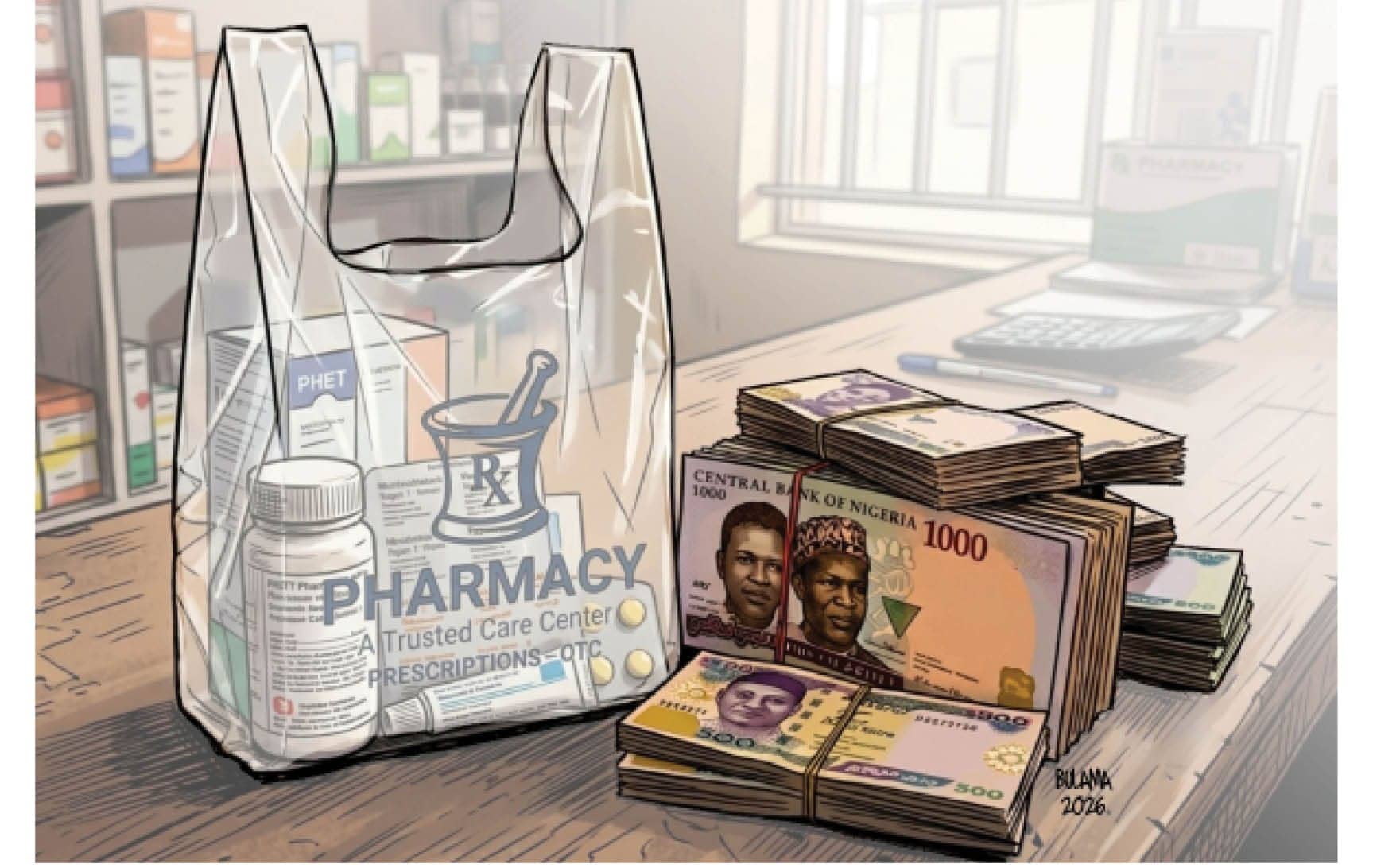

Patients face escalating monthly expenses on chronic condition medications
For 60-year-old Elahi Onu of Benue State in Nigeria, the beginning of each month is marked by a recurring financial inquiry: whether there will be sufficient funds to purchase her diabetes medication. According to Weekend Trust reporters covering the story for Daily Trust, this resident has managed diabetes for more than a decade through strict dietary restrictions and adherence to prescribed treatments.
However, recent months have altered the nature of her struggle significantly. The illness itself is described as less frightening now compared to the rising costs required to manage the condition and maintain life. Onu stated that every month, her children spend N25,000 or more solely on her medication expenses, a figure that represents a substantial financial burden for many Nigerian families.
Specific price increases are evident in the market for essential drugs. One of the medications she relies upon is Triviamet. A pack containing 35 tablets currently costs N13,000. Onu noted that if routine medical checks are required to accompany treatment with these expensive prescriptions, additional financial outlays occur, further stretching already tight household budgets. This escalating cost of essential medications is making access increasingly difficult for patients like Onu, who depend on consistent treatment.
She expressed a specific desire for government intervention through reduced medicine costs or subsidies to alleviate the financial strain on diabetic patients like herself. “I wish the government would reduce the cost of these medicines or provide subsidies to ease the burden on diabetic patients,” she told Weekend Trust during her interview with Daily Trust reporters.
A National Crisis: Essential Drugs Out of Reach
The financial dilemma faced by Onu is not isolated. Across Nigeria, thousands of patients battling diabetes face similar dilemmas regarding affordability. The problem extends beyond individual struggles, becoming a widespread concern where access to essential medications for various conditions is becoming increasingly difficult for many patients.
Beyond Diabetes: A Spectrum of Ailments Affected
The scope of the issue extends beyond diabetes to include other critical illnesses, encompassing both chronic and acute conditions. Patients suffering from hypertension, kidney disease, stroke, malaria, and typhoid are also experiencing increased expenses that cover both medication costs and routine medical check-ups. This broad impact highlights a systemic challenge within Nigeria's healthcare system, where the rising cost of treatment affects a vast segment of the population.
As inflation continues to drive prices higher alongside foreign exchange volatility, a concerning trend has emerged: many patients have resorted to skipping doses of their necessary medications due to affordability issues. This practice carries significant health risks, potentially leading to worsening conditions, complications, and even life-threatening outcomes for those managing long-term illnesses or requiring timely treatment for acute infections.
Economic Headwinds Fueling Pharmaceutical Price Hikes
Reporters identified several interconnected factors contributing to the surge in medication prices across the country. The primary drivers include persistent inflation rates, which erode the purchasing power of the naira, and significant foreign exchange volatility within Nigeria's economy. These macroeconomic conditions directly impact the cost of goods, including pharmaceuticals.
A secondary, yet equally critical, factor cited is the nation's heavy reliance on imported medicines. Nigeria's pharmaceutical sector largely depends on foreign sources for both finished drugs and active pharmaceutical ingredients. This dependence exposes domestic patients to global market fluctuations, international supply chain disruptions, and the instability of foreign currency exchange rates. When the naira weakens against major international currencies, the cost of importing these essential drugs rises dramatically, a burden that is ultimately passed on to the patients. These economic conditions combine to make essential treatments increasingly difficult for many patients who depend on regular access to these drugs for their health and survival.
Dire Consequences: Patients Forced to Skip Doses
The inability to afford necessary medication doses poses significant risks for managing life-threatening conditions. For patients with diabetes, skipping insulin or oral hypoglycemics can lead to dangerously high blood sugar levels, resulting in complications like kidney damage, nerve damage, blindness, or even diabetic coma. Similarly, for hypertension patients, inconsistent medication can lead to uncontrolled blood pressure, increasing the risk of heart attack, stroke, and kidney failure. The consequences are equally severe for those battling malaria or typhoid, where incomplete treatment can lead to drug resistance and prolonged illness.
Urgent Calls for Government Intervention and Subsidies
In response to the growing concern regarding medication accessibility and affordability, patients like Elahi Onu have publicly called upon government authorities to intervene. She specifically requested that the administration reduce medicine costs or establish subsidy programs designed for diabetic patients and others suffering from chronic conditions requiring expensive treatments. Such measures are seen as crucial to alleviate the immense financial strain on vulnerable patients and prevent a public health crisis.
The situation highlights a broader challenge within Nigeria's healthcare landscape where economic instability directly impacts patient outcomes. The widening gap between medical necessity and economic reality underscores the urgent need for policy interventions. The reliance on imported pharmaceuticals means that local purchasing power is directly tied to international currency values, creating a volatile environment for healthcare budgeting at both household and national levels. Without decisive action, millions of Nigerians living with ailments such as diabetes, malaria, hypertension, kidney disease, stroke, and typhoid will continue to struggle to access the life-saving treatments they need.