


Financial Strain and Societal Pressure on Families
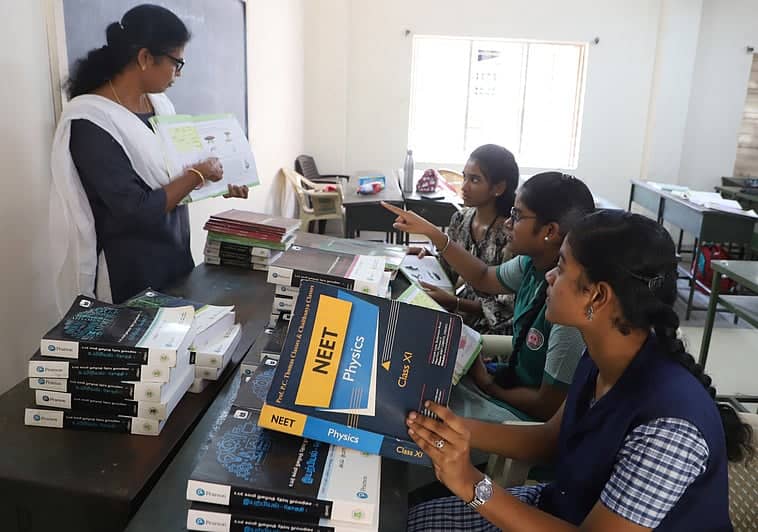
\nThe preparation process for students appearing for the NEET exam involves significant challenges that extend beyond academic study. Reports indicate that coaching centers are consuming large amounts of hard-earned money from families, often leading to substantial financial burdens.
\nFamilies frequently find themselves buried under debts as they attempt to fund these educational pursuits. The exorbitant fees associated with coaching institutes place considerable pressure on households, a situation described by observers who note the lack of scrutiny regarding how much families invest in this process.
\nSocietal expectations add another layer of difficulty for students and their relatives. This external pressure contributes directly to the anxiety experienced across various demographics involved in the exam cycle. The weight of these societal demands is felt alongside the rigorous nature of the preparation itself.
\nThe Academic Burden and Syllabus Conflicts
\nStudents face a demanding syllabus that requires extensive study time and mental endurance. A specific point of contention for many candidates involves what has been described as a 'double burden.' This term refers to the requirement for students to study both their state curriculum and the NCERT syllabus simultaneously.
\nThis dual academic load creates significant friction, particularly when institutional requirements do not align with local educational standards. The struggle to cope with this volume of material is cited by those who have undergone the preparation process as a major source of angst.
\nConcerns also exist regarding the functioning and practices within coaching centers themselves. Students report facing discrimination in these environments, which compounds their difficulties during years of trials and tribulations associated with medical entrance examinations.
\nLate Awareness and Lack of Institutional Support
\nThe timeline for student awareness varies significantly depending on location and educational background. In some instances, students were unaware of the existence or requirements of the NEET examination until later stages of their schooling.
\nRagul K from Krishnagiri did not know about this examination until he was in class 11. Even a year after the inception of the exam in 2017, it had reportedly not caught on within state schools initially. This delay suggests that information regarding the entrance test does not reach all students through standard educational channels.
\nWhen admissions were based strictly on this examination framework, those who missed earlier notifications faced disadvantages without recourse to compensation mechanisms for their time lost or resources wasted preparing under uncertainty.
\nTamil-Medium Challenges and Unrecognized Sacrifices
\nStudents from Tamil-medium backgrounds face particular challenges that are not always adequately recognized by the broader system. The sacrifices made by these students, including adapting to different linguistic mediums of instruction for competitive exams, often go unrecorded.
\nTamil Nadu has exhibited anti-NEET sentiment reflecting resistance from various fringes within society, particularly among groups described as oppressed or marginalized. This regional pushback highlights the disconnect between national examination standards and local educational realities.
\nAllegations of Corruption and Systemic Issues
\nCritiques regarding the integrity of the system have been voiced by various stakeholders involved in education reform. Educational activist PB Prince Gajendra Babu has stated that 'NEET is the greatest corruption of all times.' This characterization reflects concerns about how resources are distributed or mismanaged within the examination ecosystem.
\nThe exam itself is described by some as a significant source of corruption in education, according to activists and observers who track issues in higher entrance testing. These allegations suggest that systemic flaws may exist beyond individual student struggles.
\nImpact of Paper Leaks on Student Anxiety
\nA separate but compounding issue involves reports of paper leaks affecting the examination process. Students who appeared for NEET and experienced these incidents share their angst and anxiety regarding such events.
\nThe combination of leak-related stress with existing pressures from coaching fees, syllabus demands, and societal expectations creates a volatile environment for test-takers. The monstrous exam has claimed lives in some contexts, while others endure throes of severe psychological distress.
\nDiscrimination and the Uniform Standard Debate
\nA central critique leveled at the current system is that it applies a uniform standard to students from diverse educational and socio-economic backgrounds. Critics argue this approach fails to account for disparities in resources, language proficiency, or prior exposure to competitive testing formats.
\nFrom classrooms where foundational knowledge may vary widely to discrimination encountered within coaching centers followed by years of trials and tribulations, medical entrance has become a nightmare for many candidates.
\nThere is no justification offered by proponents of the current system for placing the same yardstick on students from such diverse backgrounds. This lack of differentiation is viewed as unjust by those who advocate for more equitable assessment methods tailored to regional contexts.
\nThe Absence of Compensation and Scrutiny
\nCurrent policies reportedly offer no compensation for students who feel they carry a 'double burden' from studying multiple syllabi simultaneously. Additionally, there is no record maintained detailing how much families invest in the preparation process each year.
\nFurthermore, regulatory bodies have not conducted adequate scrutiny on how coaching centers function financially or operationally. This absence of oversight allows questionable practices to persist without intervention or accountability mechanisms that could protect vulnerable family units from financial ruin." "