


Manila's Legislative Bid for Maritime Education
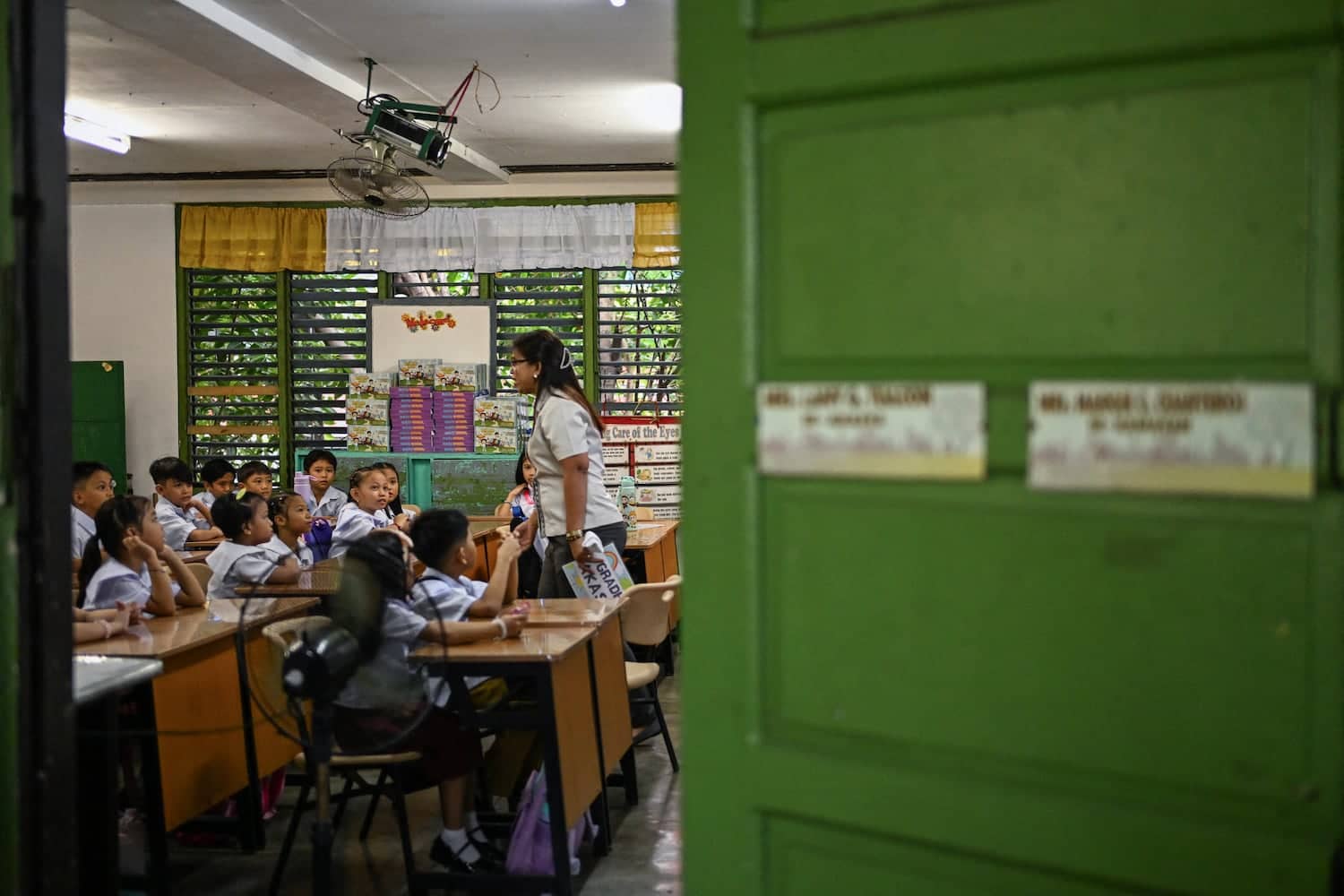
Philippine lawmakers have initiated a significant legislative effort aimed at embedding the country's maritime claims in the South China Sea directly into the national educational framework. The proposed legislation, officially titled the West Philippine Sea Education Act, seeks to institutionalize the teaching of these territorial assertions across all levels of the nation's school curricula.
This bill is designed to formalize the instruction of what Manila designates as the West Philippine Sea. This specific nomenclature refers to the areas within the broader South China Sea that fall within the Philippines' exclusive economic zone (EEZ). By integrating these claims into the core educational system, the government intends to cultivate a deep and lasting understanding among its citizens, ensuring that future generations are not only informed but also firmly aligned with the nation's position on these disputed waters.
According to reports from Radio Free Asia, the filing of this legislative measure represents a calculated strategic endeavor to address the persistent geopolitical tensions in the region through a long-term approach centered on civic engagement. The legislation, while not yet specifying the exact age groups or grade levels for implementation, clearly defines its scope by mandating the incorporation of the national territorial narrative into standard educational materials. This move is seen as a foundational step to build a resilient national consensus and strengthen public support for the Philippines' sovereignty claims.
Defining the West Philippine Sea Narrative
The concept of the West Philippine Sea is central to Manila's strategy. It serves as a distinct term to delineate the maritime areas that the Philippines asserts as its sovereign rights and jurisdiction, particularly those within its 200-nautical-mile exclusive economic zone as recognized under international law. This terminology helps to differentiate the Philippines' specific claims from the broader, more expansive claims made by other nations in the South China Sea. By teaching this specific designation, the act aims to solidify a clear national understanding of the country's maritime boundaries and entitlements.
The Contested South China Sea: A Geopolitical Flashpoint
The South China Sea remains one of the most significant and volatile geopolitical flashpoints globally, characterized by overlapping claims and persistent tensions among multiple nations. China, for instance, asserts sovereignty over nearly the entire sea, delineating its claim with a controversial 'nine-dash line' on its maps. This expansive assertion directly conflicts with the territorial and maritime claims of several neighboring countries, including the Philippines, Vietnam, Brunei, and Malaysia, thereby creating a complex and often confrontational diplomatic landscape.
Overlapping Claims and China's Nine-Dash Line
China's nine-dash line claim, which extends hundreds of miles from its southern coast, encompasses vast areas that overlap with the exclusive economic zones and continental shelves of other littoral states. This claim is largely based on historical assertions, which are widely disputed by other claimants and have been challenged in international legal forums. In contrast, the Philippines, along with Vietnam, Brunei, and Malaysia, bases its claims on international law, particularly the United Nations Convention on the Law of the Sea (UNCLOS), which defines maritime zones such as territorial seas, contiguous zones, and exclusive economic zones.
The Philippines' specific claim, referred to as the West Philippine Sea, focuses on areas within its own exclusive economic zone, which it argues are unequivocally part of its sovereign rights. This directly clashes with China's sweeping nine-dash line, which encroaches upon these areas. The dispute is not merely about territory but also about control over vital resources and strategic waterways.
Resource Rights and Strategic Waterways
The waters of the South China Sea are immensely significant for several reasons. They are crucial global shipping lanes, through which an estimated one-third of the world's maritime trade passes annually. Beyond trade, the sea is believed to hold vast untapped reserves of oil and natural gas, making control over these areas economically vital. Furthermore, the region is one of the world's richest fishing grounds, providing livelihoods for millions and contributing significantly to regional food security. The struggle for control and resource rights over these waters is therefore a multifaceted issue, intertwining economic prosperity, national security, and international law.
Balancing National Identity and Diplomatic Flexibility
The strategy of integrating maritime issues into school curricula, while aimed at strengthening national resolve, carries both significant advantages and potential drawbacks, as highlighted by experts consulted by Radio Free Asia. On one hand, this educational approach is seen as a powerful tool to solidify public support for the government's stance and to embed the issue deeply within the national identity of Filipino citizens. On the other hand, some experts caution that such a focused educational drive might inadvertently limit future diplomatic maneuverability.
Strengthening Public Resolve Through Curriculum
By making the West Philippine Sea a core component of national education, the government aims to foster a strong sense of patriotism and collective ownership over the disputed territories. Experts suggest that this approach can create a lasting base of public awareness and solidarity, ensuring that citizens are not only informed about the territorial disputes but also emotionally invested in their resolution. This deep embedding within the national identity could translate into unwavering public backing for government policies, providing a stronger mandate for Manila's actions on the international stage, whether through diplomatic protests, legal challenges, or other means of asserting its claims.
Potential Constraints on Future Diplomacy
However, the same analysis presented cautionary perspectives regarding the long-term implications of this strategy. Some experts warned that by hardening public opinion through institutionalized education, the Philippines might inadvertently narrow the flexibility available to its diplomats in potential negotiations or conflict resolution efforts. A populace educated primarily through a singular, uncompromising narrative about national sovereignty and territorial integrity may develop reduced tolerance for any form of compromise or concession, even minor ones, that might be necessary for diplomatic breakthroughs. This could place significant pressure on diplomats, making it more challenging to find common ground, de-escalate tensions, or explore creative solutions that involve give-and-take, thereby potentially leading to a more entrenched and less adaptable foreign policy stance in the future.