


Projected Demand Drives Global Resource Competition
A significant increase in global demand for uranium is profoundly reshaping the international energy landscape, according to a recent Channel News Asia report titled "The Nuclear Option." This comprehensive publication projects that worldwide uranium requirements are set to double by the year 2040. This anticipated surge in consumption serves as the primary catalyst for a burgeoning, competitive environment among nations, all vying to secure vital nuclear fuel resources.
The renewed global interest in nuclear power is acting as the fundamental driver for this expansion. As countries grapple with evolving energy security concerns and ambitious decarbonization goals, they are actively adjusting their long-term energy strategies to meet future needs. This has ignited a broad, international race for access to the necessary materials, particularly uranium. The scope of this competition is not confined to conventional terrestrial mining operations but extends to encompass innovative extraction methods and the exploration of entirely alternative fuel sources, reflecting a comprehensive shift in energy procurement strategies.
Revitalization of Domestic Mining Operations and Processing Capacity
In direct response to this escalating global demand, numerous nations are implementing concrete measures to bolster and diversify their domestic nuclear fuel supply chains. One prominent development signaling this strategic shift is the reopening of uranium mines in Texas. This move underscores a broader trend toward revitalizing existing mining infrastructure within national borders, aiming to provide a more secure and localized supply of raw materials essential for the expanding nuclear sector.
Parallel to the recommencement of mining activities, there is a concurrent and significant expansion of uranium enrichment capacity across the globe. Enrichment is a technically sophisticated and critical step in processing raw uranium, transforming it into a usable fuel for nuclear reactors. Increasing this capacity is widely regarded as an essential component of meeting the projected fuel requirements by 2040. These concerted efforts – from reactivating mines to scaling up enrichment facilities – collectively represent a strategic push to reinforce supply chains through established mining and processing methodologies, thereby reducing reliance on external sources and enhancing energy independence.
Exploring Innovative Fuel Sources and Extraction Methods
The intensifying search for nuclear fuel is no longer solely dependent on conventional land-based mines. Nations are proactively investigating and developing alternative sources to significantly diversify their supply strategies and mitigate future risks. This forward-looking approach includes pioneering methods such as the extraction of uranium from seawater, a process that leverages vast oceanic resources to supplement traditional terrestrial mining operations and potentially unlock new reserves.
Seawater Extraction and Extraterrestrial Prospects
The Channel News Asia report specifically highlights that the search for nuclear fuel has expanded into oceanic environments, with particular mention of advanced efforts underway in the seas surrounding Japan. This geographic focus not only emphasizes the international and collaborative nature of the competition for these critical resources but also points to the potential of previously untapped reserves. Furthermore, the exploration of alternative fuels extends beyond Earth, with scientists and researchers actively considering extraterrestrial sources, such as the Moon, as potential future repositories for nuclear materials. This reflects a long-term vision to future-proof global energy supplies against potential shortages and geopolitical vulnerabilities.
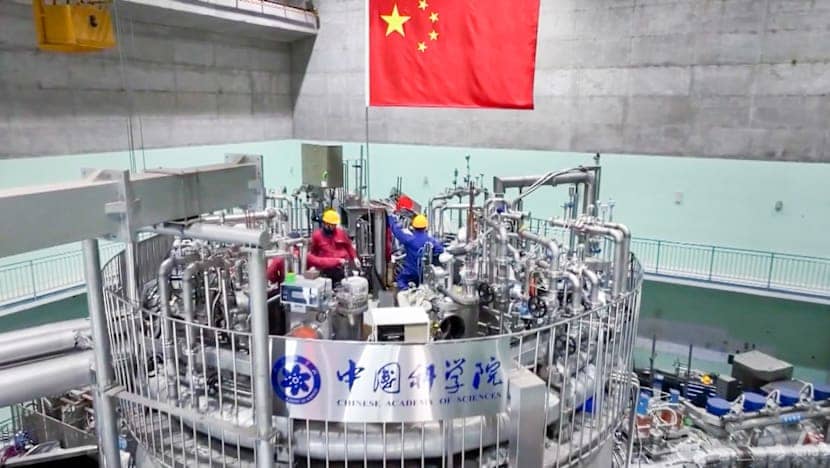
These diverse and ambitious approaches collectively illustrate a comprehensive strategy to secure the long-term supply of nuclear fuel. By rigorously investigating extraction from seawater and seriously considering lunar resources, nations are attempting to build resilience into their energy frameworks. The inclusion of advanced concepts like fusion technology within these explorations further highlights the immense breadth of scientific and industrial efforts being mobilized worldwide, all aimed at sustaining and advancing the global nuclear energy revival well into the future.
Strategic Implications for Global Energy Infrastructure
The convergence of these varied initiatives—from the reopening of uranium mines in Texas and the expansion of global enrichment capabilities to the cutting-edge investigation into seawater extraction and the pursuit of fusion technology—creates a multifaceted and robust approach to nuclear fuel security. The overarching goal is to ensure that the burgeoning infrastructure required for nuclear power generation can be reliably supported by an abundant and diversified supply of uranium and other potential nuclear fuels.
As the critical 2040 deadline for projected demand doubling rapidly approaches, the intensity of this global race for nuclear resources is expected to escalate significantly. The strategic transition from an almost exclusive reliance on terrestrial mining to a sophisticated mix of oceanic, terrestrial, and potentially extraterrestrial sources marks a profound evolution in how nuclear fuel is conceived and sourced. This deliberate diversification strategy is designed to mitigate inherent risks associated with over-reliance on single sources or specific geographic regions for critical energy materials, thereby enhancing the stability and resilience of the world's future energy systems.