


Trading Paradox Defines Early Week Sentiment
Financial markets are entering the new week characterized by a distinct operational contradiction. According to reports from BitcoinWorld, trading volumes remain notably thin across various sectors. Despite this reduction in daily transaction counts, the potential for significant market volatility is described as far from muted.
This dynamic creates a challenging environment for participants who must manage risk during periods of reduced liquidity. The juxtaposition of low volume with high volatility potential requires heightened attention to price movements that may be amplified by fewer participating traders.
Geopolitical Flashpoints Test the Summer Lull
The traditional seasonal decrease in market activity, often referred to as the "summer lull," is currently being challenged by external pressures. Active geopolitical flashpoints are identified as a primary driver testing this seasonal pattern. These ongoing international tensions are preventing the typical stabilization usually associated with lower trading volumes.
Operational Realities on Trading Floors
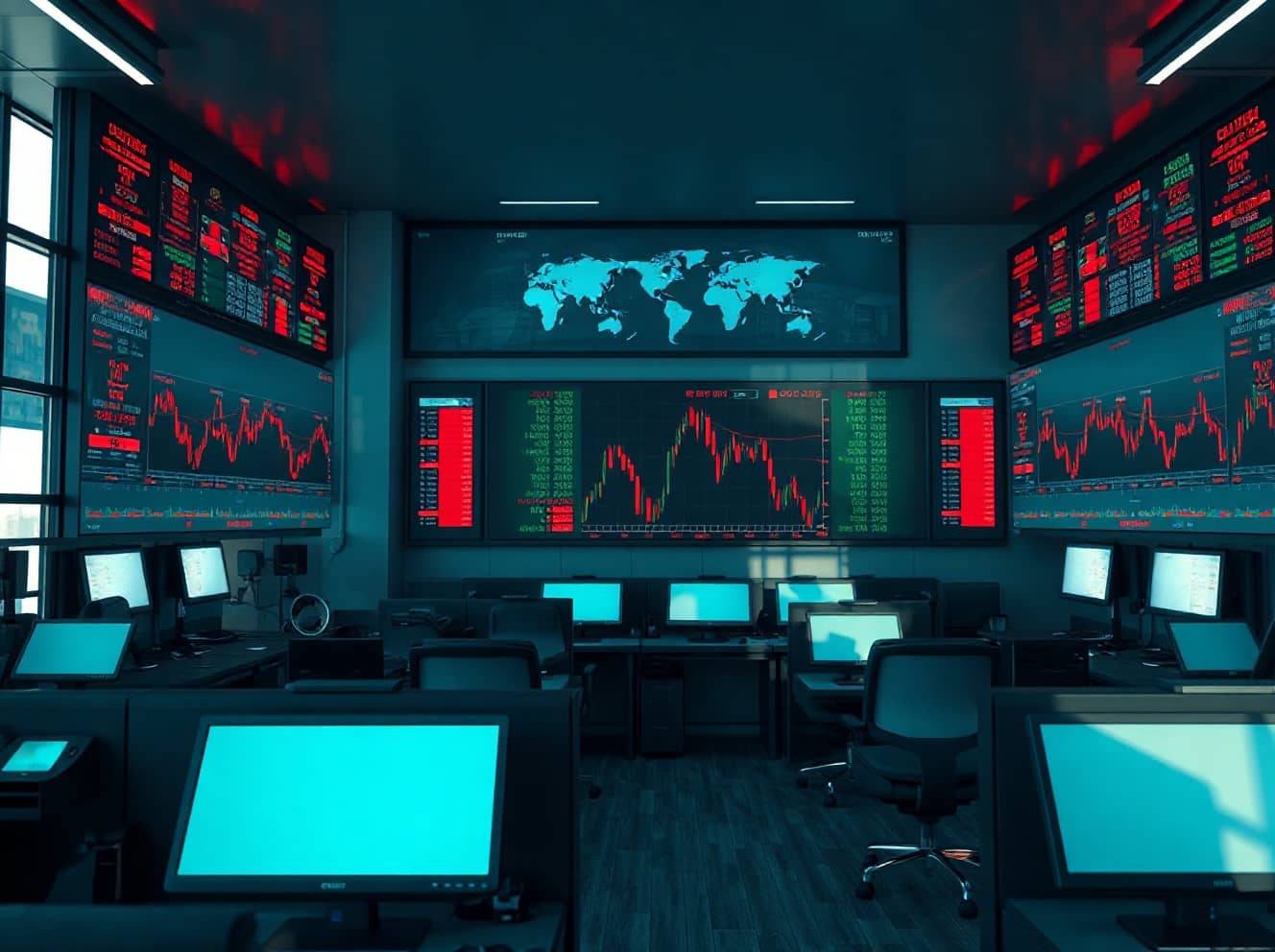
The impact of these global events is felt directly within financial institutions. Many offices and trading desks are operating at reduced capacity due to the seasonal nature of the period. However, this reduction in staff presence does not correlate with a decrease in market risk.
Investors remain on edge as they monitor developments in conflict zones and diplomatic negotiations. The combination of fewer traders and high-stakes global events means that individual trades can have outsized effects on asset prices. This environment keeps market participants vigilant despite the seasonal norm of reduced activity.
Central Bank Expectations Shift
In addition to geopolitical tensions, monetary policy developments are contributing to the current market crosscurrents. Shifting expectations regarding central bank rate decisions are a key factor influencing investor behavior. These expectations are not static and are subject to change based on incoming economic data and official communications.
Impact on Asset Pricing
The anticipation of interest rate adjustments affects capital flows across global markets. When expectations for rate hikes or cuts shift, it alters the cost of borrowing and the attractiveness of different asset classes. This sensitivity is particularly pronounced in the current climate where trading volumes are low.
BitcoinWorld notes that these monetary policy crosscurrents are set to test the summer lull just as significantly as geopolitical events. Investors are adjusting their positions in response to these shifting central bank signals, adding another layer of complexity to an already volatile landscape.
Investor Strategy in a Reduced Capacity Environment
The convergence of thin volumes, geopolitical instability, and changing rate expectations creates a unique set of challenges for market participants. The traditional assumption that summer months bring calmer markets is being disproven by current conditions.
Market observers note that the potential for volatility remains high despite the seasonal norms. This suggests that standard risk management protocols may need to be adjusted during this period. The reduced capacity of many trading desks means that there are fewer market makers to absorb large orders, potentially leading to sharper price swings.
The article from BitcoinWorld highlights that these factors are keeping investors on edge. The lack of a clear direction in either geopolitical relations or central bank policy adds to the uncertainty. Participants are advised to monitor both international developments and economic indicators closely as the week progresses.
Looking Ahead at Market Crosscurrents
The coming days will likely continue to reflect this tension between seasonal norms and active global pressures. The summer lull is no longer a period of automatic quiet but rather a backdrop against which significant events unfold.
Geopolitical flashpoints remain active, requiring constant monitoring by those involved in international trade and investment. Simultaneously, the market continues to price in expectations for central bank actions, which can shift rapidly based on new information.
The paradox of thin volumes and high volatility potential is expected to persist until one or both of these drivers change. Until trading volumes increase or geopolitical tensions ease, the current environment will remain characterized by heightened sensitivity to news events. Investors are navigating a landscape where reduced activity does not equate to reduced risk.