


Background and Context on Midterm Elections
The United States is currently navigating a critical phase in its electoral calendar as primary elections conclude or are underway in several key jurisdictions. The political landscape for the upcoming general election, scheduled for November of this year, has been shaped by these earlier contests which determine party nominees for various offices. Among the most significant implications of these primaries is the determination of control over both chambers of Congress and the selection of dozens of governors across the nation.
Midterm elections traditionally serve as a referendum on the sitting administration's performance in Washington, often resulting in shifts in congressional majorities or changes at the state level. In this specific cycle, voters are casting ballots for federal representatives, including members of the House and Senate, alongside statewide offices such as governorships, attorney general positions, and secretary of state roles.
The focus on gubernatorial races has been particularly intense given that these elections will decide executive leadership in numerous states with varying political demographics. The outcome in South Carolina, specifically regarding the Republican Party's nomination process for governor, represents a pivotal moment within the broader context of national politics. As polls close and results are tallied, analysts examine how individual state outcomes contribute to the larger narrative of voter sentiment heading into November.
South Carolina Attorney General Wins GOP Gubernatorial Runoff
In South Carolina, the Republican Party has officially determined its candidate for governor through a runoff election process. The winner in this contest is the current attorney general of the state. This victory marks a significant consolidation within the party's ranks as it seeks to present a unified front ahead of the November general election.
The path to securing the nomination often involves multiple rounds of voting when no single candidate achieves an outright majority in the initial primary. In South Carolina, the runoff was necessary because the first round failed to produce a clear winner among Republican contenders. The attorney general emerged victorious in this subsequent contest, effectively clinching the party's endorsement for the statewide office.
This outcome highlights the strategic importance of holding offices such as attorney general within state political hierarchies. Candidates often leverage their experience and established networks from previous roles to build momentum toward higher-profile elections like governor or president. The success in this runoff underscores the ability of incumbents with legal backgrounds to navigate complex party dynamics and secure support across diverse constituencies.
Key Details From Research on Current Election Status
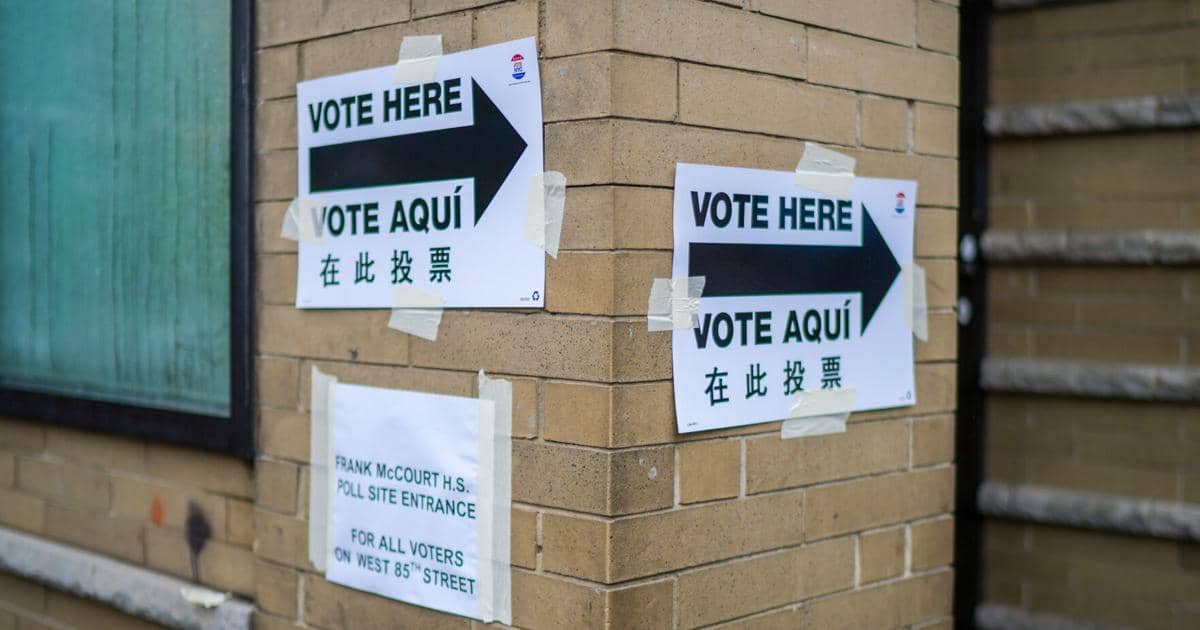
Voting operations have officially concluded in Maryland for this particular round of primary elections. Polls closed according to state law, allowing election officials time to tally votes before the next phase begins or results are certified depending on local procedures. The completion of polling hours signifies a transition from active campaigning and voting to post-election analysis.
While Maryland's polls have ended, another set of primary elections is currently taking place in four additional states. These concurrent activities reflect the staggered nature of state-level primaries across the country, designed to spread out voter participation over several weeks rather than compressing it into a single day or weekend.
The research notes emphasize that these ongoing primary contests are part of a larger effort to finalize party nominations before November. Each vote cast in Maryland and the four other states contributes data points toward understanding regional political trends, candidate viability, and potential shifts in voter alignment.
Implications for National Political Landscape
The results from South Carolina and the conclusion of voting in Maryland provide early indicators that will influence strategies leading up to November. Parties are closely monitoring these outcomes as they formulate campaign plans targeting undecided voters or reinforcing support among key demographics.
Gubernatorial elections often carry weight beyond state borders, influencing policy directions on issues like healthcare reform, environmental regulations, and economic development initiatives. The selection of a governor can also impact federal-state relations depending on whether the elected official aligns with or opposes positions held by the current administration in Washington.
Looking Ahead to November Midterms
The focus now shifts toward preparing for the general election season which will commence shortly after these primary results are finalized. Campaign organizations across both major parties are adjusting their messaging and resource allocation based on insights gained from recent primaries.
Voter registration drives, get-out-the-vote efforts, and debate schedules all depend heavily on information derived from earlier contests like those in South Carolina and Maryland. The stakes remain high as millions of Americans prepare to participate in one of the most consequential electoral cycles in recent memory.