


Formation of a Unified Veterans Coalition
In a move aimed at consolidating efforts for historical justice, three distinct organizations representing former combatants have formally united under a single legal framework. The Mau Mau Veterans Associate CLG, the Mwamko Mpya Initiative Peace Movement, and Kenya Veterans for Peace signed a memorandum of understanding yesterday to advance the cause of veterans’ reparations.
The signing of this accord marks a strategic alignment between groups that have previously operated independently. By pooling resources and organizational structures, the entities intend to present a more cohesive front in their demands for compensation from the government. The agreement establishes a formal mechanism for collaboration, allowing the groups to coordinate advocacy campaigns and legal strategies without duplication of effort.
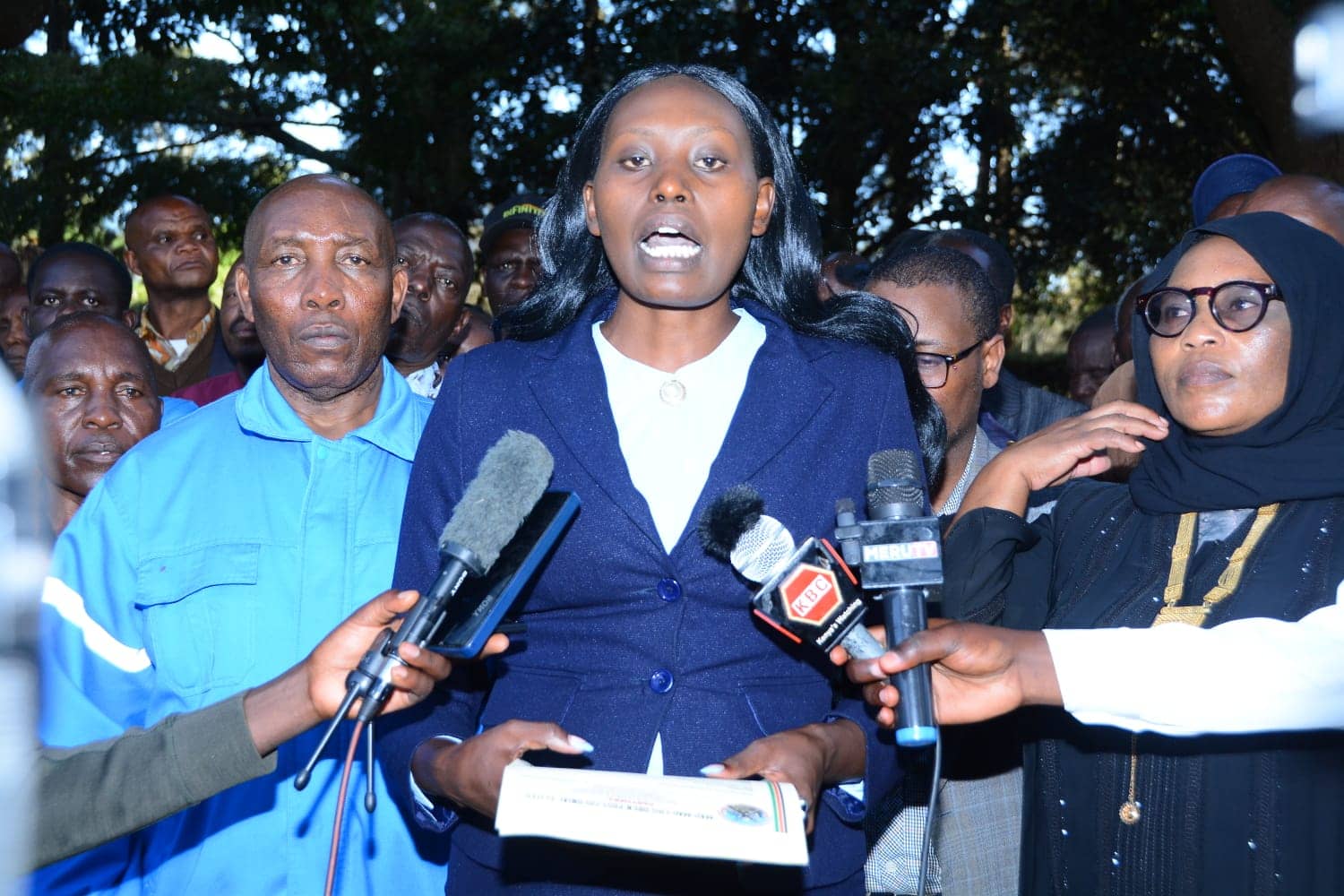
Cherotich Emma Kasisi, the Chief Executive Officer of the Mau Mau Veterans Associate CLG, addressed the press regarding the significance of the partnership. Her remarks highlighted the necessity of joint action in navigating the complex political landscape surrounding historical grievances. The presence of media coverage, including reporting by Brian Gitonga for The Mt Kenya Times, underscores the public interest in the development.
Strategic Timing Before the 2027 Electoral Cycle
The renewed push for compensation is explicitly timed to coincide with the approaching national election cycle. With the 2027 polls on the horizon, veteran leaders are seeking to place reparations high on the political agenda before candidates finalize their platforms.
Political analysts and observers note that election periods often serve as critical windows for marginalized groups to leverage voter blocs in exchange for policy commitments. The veterans’ organizations are utilizing this timeframe to ensure that their demands are not sidelined during the pre-election negotiations typical of Kenyan politics.
Warnings Against Tribal Divisions
Beyond the immediate goal of financial reparations, the memorandum of understanding contains a specific directive regarding the nature of political discourse in the country. The united groups intend to caution Kenyans against the use of tribal politics as a tool for mobilization or division.
The accord serves as a public statement that the veterans’ movement is not aligned with any single ethnic faction. By issuing this warning, the organizations aim to position themselves as a national interest group rather than a regional or ethnic advocate. This stance is intended to broaden their appeal and legitimacy across different demographic lines in Kenya.
Historical Context of Reparations Demands
The drive for reparations stems from the legacy of the Mau Mau uprising, a rebellion against British colonial rule that took place primarily in the 1950s. For decades, veterans and their descendants have sought acknowledgment and compensation for the hardships endured during the conflict and the subsequent colonial repression.
Previous attempts to secure compensation have faced various legal and political hurdles. The formation of this tripartite alliance represents a new phase in the long-standing campaign, combining the institutional weight of established veteran bodies with the peace-building focus of the Mwamko Mpya Initiative.
Implications for the Upcoming Political Landscape
The timing of this accord suggests that veterans are preparing to exercise significant influence in the 2027 elections. By uniting before the formal campaign season begins, the groups aim to establish a baseline of expectations for all political actors.
The warning against tribal politics is particularly relevant given the historical patterns of electoral mobilization in Kenya. The veterans’ coalition is signaling that support will be contingent on adherence to national unity principles and tangible progress on compensation issues, rather than ethnic solidarity alone.
Operational Scope of the Accord
The memorandum of understanding outlines the operational framework for the joint venture. It defines the roles of each organization within the coalition and sets out the protocols for decision-making and public communication.
The Kenya Veterans for Peace, known for its focus on conflict resolution, brings a different perspective to the alliance compared to the more traditionally structured Mau Mau Veterans Associate CLG. The inclusion of Mwamko Mpya Initiative Peace Movement adds a layer of grassroots mobilization expertise.
Public and Political Response
As the announcement was made, it drew attention from civil society groups and political observers who monitor the welfare of former freedom fighters. The direct involvement of CEO Cherotich Emma Kasisi in press briefings indicates a commitment to transparency and public engagement.
The coalition’s strategy relies on maintaining visibility throughout the election period. By linking the issue of compensation directly to the electoral calendar, the veterans are attempting to create a deadline for government action that aligns with the political cycle.
Next Steps in the Compensation Drive
Following the signing of the accord, the three organizations are expected to begin joint advocacy efforts. This will likely include public rallies, meetings with government officials, and engagement with international human rights bodies.
The renewed focus on reparations ahead of 2027 suggests that the issue may become a central topic in political debates. The coalition’s ability to maintain unity and effectively communicate its message will determine the impact of their campaign on the final electoral outcomes.