


New Leadership Pushes for Systemic Transparency
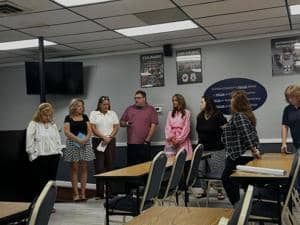
PRINCETON — A shift in composition has occurred at the top level of local educational governance. Three newly-elected members have joined the Mercer County Board of Education following a recent election cycle. These individuals are not merely filling vacancies but are actively advocating for specific changes to how the school system operates.
The core message from this new cohort centers on two primary pillars: accountability and transparency. According to reports published by The Register-Herald, these three members have made it clear that their tenure will be defined by a demand for increased openness within the administrative structure of the district.
"The three newly-elected members of the Mercer County Board of Education are seeking increased accountability and transparency from the school system," stated sources covering the development. This statement reflects a unified stance among the new appointees, distinguishing their approach from previous administrations or board compositions that may have operated under different priorities regarding public scrutiny.
The specific nature of this "increased accountability" remains tied to the general mandate provided by the members themselves rather than detailed legislative proposals released at press time. The group has signaled a desire for more rigorous oversight mechanisms, though the exact metrics or procedural changes they intend to implement have not been fully enumerated in available public records beyond their stated goals.
Transparency is cited as an equally critical component of this new leadership agenda. In local government contexts, transparency often refers to the accessibility of meeting minutes, financial disclosures, and decision-making processes regarding curriculum or budget allocations. The Register-Herald notes that these members view current levels of openness as insufficient for a modern educational district.
The election results that brought these three individuals into office represent a significant moment for Mercer County voters who participated in the ballot process to determine school board representation. By securing seats on the Board, these candidates have now transitioned from campaign rhetoric to official responsibilities within the county's public education framework.
Defining Accountability and Oversight Goals
The term "oversight" as used by the new members implies a proactive role in monitoring school district operations. This could involve more frequent reviews of administrative contracts, deeper dives into staffing decisions, or stricter adherence to state-mandated reporting requirements.
While detailed policy papers outlining specific reforms have not been released alongside their initial statements, the emphasis on these concepts suggests that the new members intend to challenge existing norms regarding how information flows between school administrators and the public board. The Register-Herald article highlights that this push for "greater oversight" is a direct response to perceived gaps in current governance practices.
Accountability in an educational setting often encompasses performance metrics, budgetary responsibility, and compliance with federal or state education laws. By explicitly naming these goals, the three new members have set expectations for how they will interact with superintendents, principals, and other district officials.
The statement that they are "seeking" these changes indicates an ongoing process rather than a completed transformation. It suggests that conversations regarding implementation strategies may be underway behind closed doors or during upcoming board meetings where such matters typically come to the floor for discussion.
Implications for District Operations
The introduction of three new voices committed to these principles alters the dynamic within the Board chamber. Previously, governance decisions were made by a different configuration of members who may have prioritized other aspects of school administration or maintained lower profiles regarding public scrutiny.
This change in composition does not automatically result in immediate policy shifts but establishes a clear direction for future board actions. The new members' stated goals serve as a guiding principle that will likely influence agenda items, committee assignments, and the tone of debates during regular sessions.
For parents, teachers, and community stakeholders within Mercer County, this development signals that questions regarding school funding, safety protocols, or academic standards may be subject to more intense public examination. The Register-Herald reports that the board members themselves have framed their approach as necessary for restoring trust and ensuring that taxpayer dollars are managed with a high degree of visibility.
There is no indication in current reporting that this stance has met with immediate resistance from school administration, nor is there confirmation that any specific conflicts have arisen since the election. The situation remains focused on the new members' intent to pursue their agenda as they settle into their roles and begin formalizing their work within the established structures of Mercer County public education.
As these three individuals prepare for their first official duties, the focus remains squarely on their commitment to transparency and accountability. Whether this leads to concrete legislative changes or procedural adjustments will depend on subsequent actions taken by the Board as a whole under the influence of its newest members.