


Fostering BRICS Unity to Tackle Global Issues
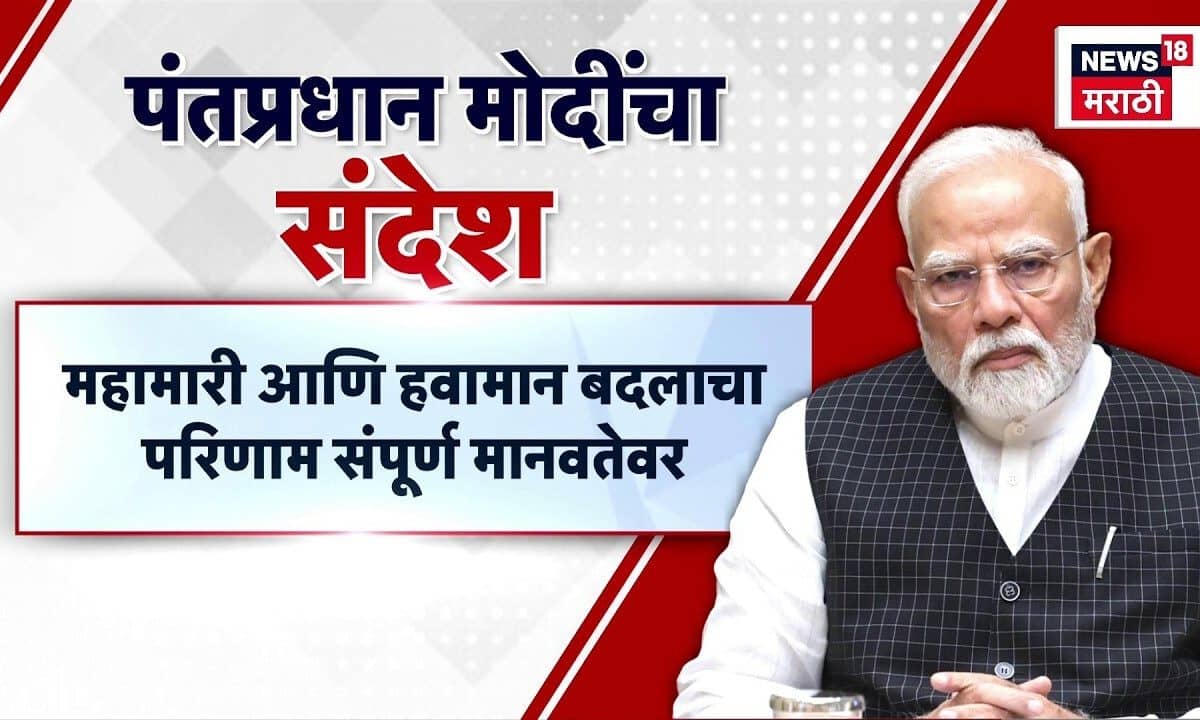
On the concluding day of the BRICS Summit, Prime Minister Narendra Modi delivered a significant address, underscoring the critical need for enhanced collaboration among member nations to effectively confront pressing international challenges. Reports from News18 Marathi highlighted the Prime Minister's assertion that robust cooperation is not merely beneficial but essential for BRICS countries to navigate and resolve complex global issues. This call for unity resonates at a time when the international landscape is marked by multifaceted geopolitical and economic shifts.
The summit itself served as a crucial international forum, providing leaders from Brazil, Russia, India, China, and South Africa with a dedicated platform to deliberate on shared concerns and explore potential avenues for joint action. Prime Minister Modi’s statement emphasized the collective responsibility inherent within the bloc, suggesting that a consolidated front is vital for addressing matters of mutual interest and for projecting a unified voice on the global stage. This emphasis on strengthened ties aims to bolster the group's capacity to influence international discourse and contribute to global stability.
Modi Warns Against Tech and Mineral Weaponization
A central and prominent theme of Prime Minister Modi’s address was the escalating concern surrounding the weaponization of technology and critical minerals. The Prime Minister explicitly articulated his apprehension regarding these developments, signaling a clear focus on the inherent security risks associated with advanced technological systems and the strategic extraction and control of essential resources. This concern extends beyond traditional military applications, encompassing the potential for these elements to be used for economic coercion or geopolitical leverage, thereby impacting global stability and fairness.
The Geopolitical Stakes of Critical Resources
The specific mention of critical minerals by Prime Minister Modi points directly to their immense strategic importance in the contemporary global economy and defense landscape. These resources are indispensable components for a vast array of modern industries, ranging from advanced electronics and renewable energy technologies to sophisticated defense capabilities. The control over their supply chains can confer significant power, and their potential weaponization introduces new dimensions of vulnerability for nations reliant on these materials.
By linking the control and potential weaponization of critical minerals with the broader issue of technology weaponization, Modi highlighted a complex web of potential vulnerabilities that could profoundly impact international stability and economic security. This perspective reflects a deep awareness of how the strategic leveraging of key technological assets and raw materials can be employed for coercive purposes, potentially disrupting global supply chains, hindering technological progress, and creating new arenas for international competition and conflict. The Prime Minister's remarks thus underscored a need for collective vigilance and concerted action to prevent such destabilizing trends.
Balancing Human Progress with Environmental Stewardship
In addition to the critical security concerns related to technology and minerals, Prime Minister Modi also stressed the paramount importance of achieving a harmonious balance between human development and environmental protection. This dual focus suggests a comprehensive approach to progress, one that seeks to advance economic and social well-being for populations without compromising the long-term health and integrity of ecological systems. It acknowledges that sustainable growth must be pursued in a manner that respects planetary boundaries.
The emphasis on striking this equilibrium aligns closely with broader international discussions and global agendas focused on sustainable development. By advocating for this delicate balance, Modi pointed toward the necessity of developing and implementing policy frameworks that judiciously consider both immediate developmental needs and the imperative of long-term environmental sustainability. This forward-looking perspective aims to ensure that current progress does not come at the expense of future resource availability, ecological resilience, or the well-being of generations to come, promoting a more holistic and responsible path for global growth.
India's Vision for BRICS Engagement
The remarks delivered by Prime Minister Modi on the final day of the BRICS Summit serve as a concise yet comprehensive articulation of India’s strategic stance and priorities within the BRICS framework. By placing issues such as technological security, the responsible management of critical minerals, and sustainable development at the forefront, the Prime Minister effectively outlined key priorities that India believes should shape the bloc’s future agenda and collaborative efforts.
The consistent focus on strengthening cooperation among BRICS nations signifies a recognition that individual countries, however powerful, may face inherent limitations in effectively addressing these complex and interconnected global issues in isolation. Therefore, strengthening ties and fostering joint initiatives among BRICS members is presented as a crucial mechanism to enhance collective resilience, amplify their influence in international affairs, and develop shared solutions to global challenges. The specific mention of weaponization risks further suggests an intent to proactively monitor and potentially counteract destabilizing trends emerging within the technology and resource sectors, safeguarding common interests.
News18 Marathi's reporting confirmed these points as the core components of Prime Minister Modi’s message, providing clear insights into the strategic directions India intends to pursue and advocate for within this significant multilateral grouping. The detailed concerns regarding the weaponization of technology and critical minerals, coupled with the urgent call for balanced development, collectively form the foundational pillars of this important diplomatic communication from India at the BRICS Summit.