

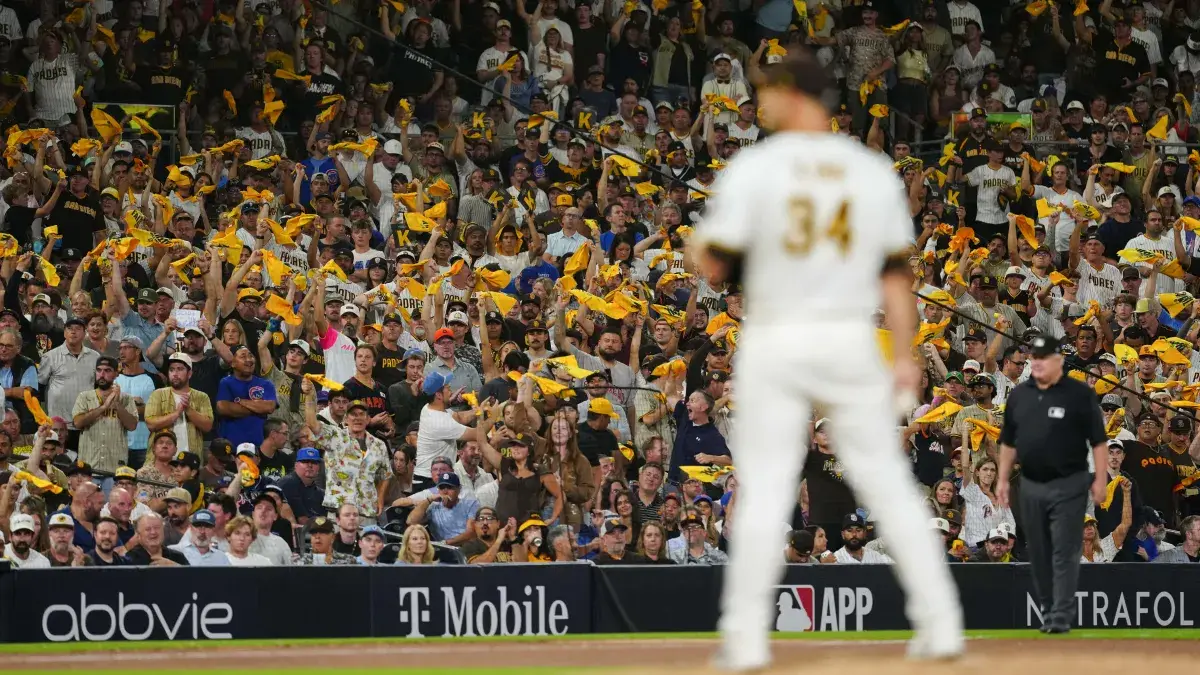

MLB Attendance Surges to Highest Level Since 2017
Major League Baseball reported a significant uptick in fan engagement this season, with total attendance rising for the fourth consecutive year to reach 71.75 million spectators. This figure marks the highest aggregate attendance total for the sport since 2017, signaling a sustained recovery in live sports consumption following the pandemic-era disruptions.
The current streak represents a notable historical milestone for the league. It is the first time in two decades that MLB attendance has increased in four straight seasons. The previous instance of such consecutive growth occurred between 2004 and 2007, highlighting the rarity and significance of the current trend in professional sports.
On a per-game basis, the league averaged 29,589 fans across 2,425 dates. This represents a 0.4% increase from the 2025 average of 29,471. While the percentage growth appears modest, it reflects a broad-based stability in ticket sales across a league with 30 teams and a dense schedule.
Team Performances Drive Divergent Attendance Trends
The overall league growth masked a wide disparity in individual team performance, with thirteen clubs seeing attendance increases while seventeen experienced drops. Several teams capitalized on strong on-field results or unique logistical circumstances to drive fan interest.
The Tampa Bay Rays recorded the most significant absolute increase, drawing 628,255 more fans for a total of 1,414,975. This surge followed their return to Tropicana Field after spending the 2025 season at Steinbrenner Field due to damage from Hurricane Milton. The team also bolstered its appeal by winning the AL East for the first time since 2021.
Other teams with notable gains included the Chicago White Sox, who rose 540,687 to 1,986,425. This increase came after the franchise finished with an 84-78 record and earned an AL wild card spot, ending a period of three straight 100-loss seasons. Similarly, the Toronto Blue Jays increased attendance by 488,943 to 3,338,878, riding the momentum from coming off an AL pennant in 2025.
The Seattle Mariners also saw a substantial rise of 345,745, bringing their total to 2,883,798. This growth followed a season where they came within one win of reaching their first World Series in franchise history.
High-Drawing Clubs and Struggling Markets
At the top of the attendance charts, five clubs topped 3 million in total attendance. This number is down from six in 2025 but matches the count from 2024, compared to eight in 2023. The Los Angeles Dodgers led the sport with a team-record 4,034,219 fans and an average of 49,805 per game.
Conversely, several high-profile markets experienced declines. The New York Mets had the biggest drop in attendance, falling 472,450 to 2,712,120. The team finished last in the NL East for the first time since 2003, a struggle exacerbated by a 12-game losing streak in April.
The Houston Astros also saw attendance fall by 255,759 to 2,472,118. This decline occurred despite the team winning the AL West title with an 81-81 record, a performance described as the poorest win total for a first-place team in recent history.
Other teams experiencing decreases included the Kansas City Royals, who dropped 221,703 to 1,527,098. Additionally, franchises in Arizona, Atlanta, Cincinnati, Colorado, and Philadelphia all experienced decreases ranging from 100,000 to 200,000 fans.
Lowest Draws and Broader Industry Context
The Oakland Athletics drew a major league-low attendance of 799,240, with an average of just 9,867 per game. The team remained based at Sutter Health Park for a second season while planning a move to Las Vegas in 2028. Meanwhile, the Miami Marlins dropped from 28th to 29th in attendance rankings, finishing at 1,231,018.
Beyond attendance figures, the broader sports industry is addressing security concerns related to gambling. Major sports leagues are currently seeking lifetime betting bans for individuals who threaten athletes and their families. However, the WNBA was notably excluded from this joint effort among the major leagues.