


Geopolitical Tensions Collide With Scientific Cooperation
The European Union and Russia are currently geopolitical adversaries, with the bloc imposing sweeping sanctions on Moscow and severely curbing bilateral ties. These tensions have not extended to every area of international engagement, however. Inside one of the largest international scientific collaborations in history, the two nations remain linked by a partnership that was forged decades ago and is designed to endure for generations.
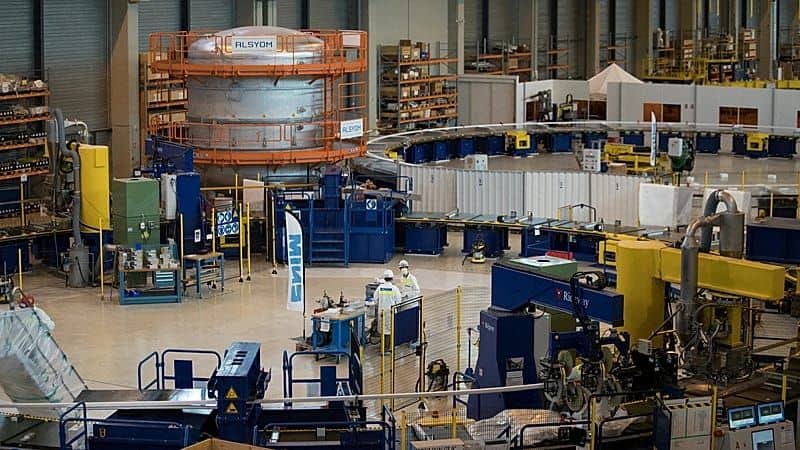
This enduring connection centers on the International Thermonuclear Experimental Reactor (ITER), an experimental nuclear fusion machine located in Cadarache, France. The project aims to harness the fusion of hydrogen nuclei to generate vast amounts of energy. While Brussels has stepped up pressure on Moscow regarding its war in Ukraine and alleged hybrid attacks, Russian engineers continue to collaborate directly with their European counterparts on the ITER project.
The coexistence of these opposing dynamics highlights a complex reality for the EU. As fusion energy becomes a strategic priority for decarbonization and energy independence, Brussels faces a dilemma regarding its continued reliance on Russian expertise and technology within the ITER framework.
ITER’s Strategic Importance to European Energy Goals
The significance of the ITER project to European policy was underscored recently when EU Energy Commissioner Dan Jørgensen visited the facility in Cadarache. During the visit, Jørgensen described the fusion device as "key for our decarbonisation and energy independence goals." This statement reflects the broader view within the European Commission that fusion energy is critical to the bloc's long-term energy strategy.
ITER is widely described as the world's largest nuclear fusion experiment. The project seeks to demonstrate the scientific and technological feasibility of fusion power on a commercial scale. The machine itself involves complex components, including PF1 poloidal field coils and gyrotrons, which are essential for controlling the plasma within the reactor.
The EU’s commitment to ITER is rooted in its desire to secure energy independence while meeting climate targets. Fusion offers the potential for a clean, abundant energy source that does not produce long-lived radioactive waste or greenhouse gases during operation. Consequently, the European Union views progress at ITER as directly aligned with its broader geopolitical and environmental objectives.
Decades-Old Agreements Sustain Russian Participation
Russia’s continued role in ITER is based on a partnership established through agreements made decades ago, prior to recent escalations in East-West relations. These foundational accords have created a legal and operational framework that has proven difficult to dismantle despite the hostile political climate between the two parties.
The ITER project was launched in 2007. Since its inception, it has operated as an international collaboration involving multiple nations and regions. The structure of the partnership requires sustained technical cooperation among all members, including Russia. This requirement ensures that Russian engineers remain integrated into the daily operations and development of the facility alongside European scientists and technicians.
The persistence of this collaboration illustrates the resilience of scientific diplomacy in the face of political conflict. While the EU has moved to isolate Russia economically and politically through sanctions, the ITER agreement remains an exception. The partnership is built on the premise that scientific cooperation can transcend geopolitical disputes, at least within the specific domain of nuclear fusion research.
Implications for Future Energy Policy
The situation at ITER raises questions about the future of international scientific partnerships under conditions of heightened geopolitical tension. The EU’s Energy Commissioner has acknowledged the importance of fusion energy, yet the reliance on Russian components and expertise presents a potential vulnerability in the supply chain.
As the project continues to develop, the European Union must balance its strategic goal of energy independence with the practical realities of its current partnerships. The decision to maintain Russia’s stake in ITER suggests that the bloc prioritizes the scientific advancement of fusion technology over immediate political distancing from Moscow in this specific sector.
The outcome of this balancing act will likely influence how the EU approaches future international collaborations in critical technologies. For now, the facility in Cadarache remains a site where Russian and European engineers work side by side, even as their governments remain engaged in a broader conflict.