

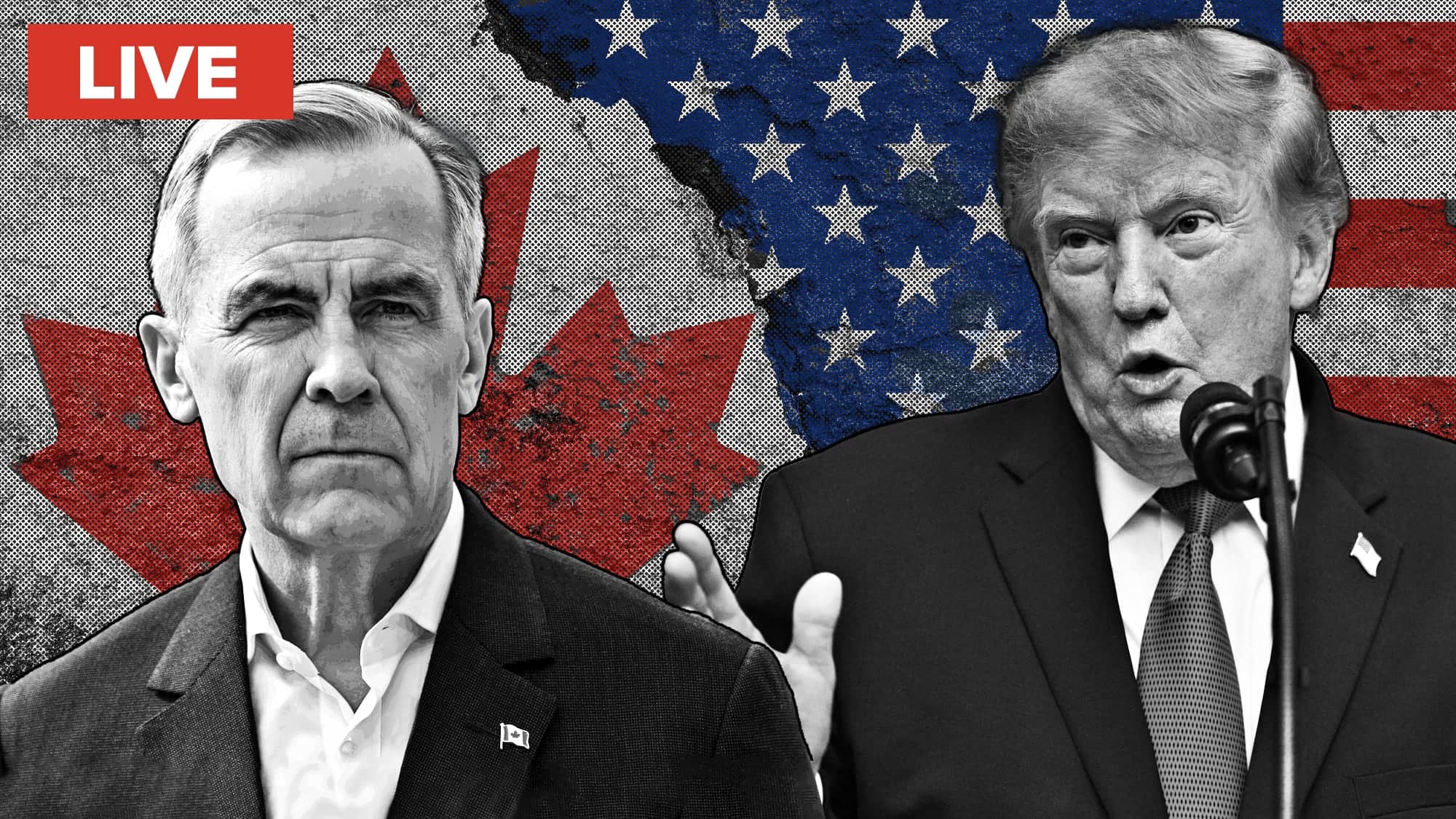

U.S. President Imposes Sweeping Bans on Canadian Imports
The White House announced Tuesday that U.S. President Donald Trump signed a series of executive orders implementing significant bans on several categories of Canadian imports. These measures represent a notable escalation in trade tensions between the two neighboring nations, specifically targeting key sectors of the Canadian economy.
Executive Orders Target Key Industries
The newly enacted import restrictions specifically target alcohol, dairy products, and motorcycles originating from Canada. These bans, formalized through presidential executive orders, are designed to restrict the flow of these particular goods across the U.S.-Canada border. The explicit targeting of these industries suggests a strategic move to exert economic pressure on Canada, impacting producers and exporters within these sectors directly.
The implementation of these bans marks a concrete step in what analysts describe as an intensifying trade war. By focusing on specific, often iconic, Canadian products, the U.S. administration aims to create immediate economic repercussions for Canadian businesses and the broader economy. The White House confirmed that these orders are now in effect, setting the stage for a period of economic uncertainty for affected industries.
Canadian Goods Barred from Federal Contracts
In addition to the import restrictions, President Trump issued a directive instructing federal agencies to exclude Canadian-origin products from government contracts. This measure effectively blocks Canadian companies and their goods from participating in U.S. public procurement processes within the affected categories. This directive extends the economic pressure beyond consumer markets, impacting Canadian suppliers who rely on government contracts for revenue.
The exclusion from government contracts adds another layer to the U.S. trade strategy, limiting market access for Canadian businesses on multiple fronts. For U.S. federal agencies, this means a mandated shift away from Canadian suppliers for a range of products, potentially leading to adjustments in supply chains and procurement strategies. The combined effect of import bans and procurement exclusions is intended to significantly reduce the presence of Canadian goods in the U.S. economy.
Canada Vows Retaliation Amid Escalating Trade Tensions
Following the U.S. announcements, Canadian Prime Minister Mark Carney promptly addressed the situation, signaling a firm response from Ottawa. Prime Minister Carney issued a warning to Canada regarding the profound implications of the new U.S. trade measures, indicating that the country would not absorb the economic blows without counteraction.
Prime Minister Carney Warns of Economic Fallout
In a public address, Prime Minister Carney underscored the gravity of the situation, stating, This is about our livelihoods.
This statement framed the escalating trade dispute not merely as a policy disagreement but as an issue directly impacting Canadian economic stability and the employment of its citizens. The Prime Minister's remarks highlighted the government's concern for the welfare of Canadian workers and businesses, particularly those in the sectors targeted by the U.S. bans.
The Canadian government moved swiftly to prepare retaliatory measures. Prime Minister Carney announced that Canada would impose counter-tariffs in response to the U.S. actions, signaling a tit-for-tat approach to the trade conflict. This immediate commitment to reciprocal tariffs underscores Canada's determination to protect its economic interests and signals that it will not concede to U.S. pressure without a fight. The implementation of these retaliatory measures is expected to follow the publication of the U.S. executive orders, setting up a direct trade confrontation.
Analysts Weigh Costs and Strategic Risks
Observers and officials on both sides of the border have begun a comprehensive evaluation of the potential costs associated with the escalating dispute. Analysts have described the situation explicitly as a trade war,
drawing a clear distinction from targeted sanctions typically imposed against hostile nations. One analyst emphasized this point, noting, We’re not talking about Iran, we’re talking about a trade war,
highlighting the unique and significant nature of such a conflict between two closely integrated economic partners.
Discussions among Canadian officials and economic experts are intensely focused on developing strategies to mitigate the anticipated damage. These discussions encompass assessing the financial burden on Canadian consumers, who may face higher prices for certain goods, and on Canadian businesses, which could see reduced market access and increased operational costs. Questions regarding the potential costs to Canadians have quickly become a central topic in policy debates, as the government seeks to cushion the economic impact of the U.S. measures and its own counter-tariffs.
Diplomatic Criticism and Political Scrutiny
The aggressive trade measures initiated by the Trump administration have drawn sharp criticism from former diplomatic officials. A former U.S. ambassador offered a pointed assessment of President Trump’s demeanor during the dispute, stating, He’s not well physically, mentally, emotionally.
This commentary was presented as a potential explanation for the administration's assertive and, to some, unpredictable stance on trade policy, particularly concerning a long-standing ally like Canada.
Concurrently, strategic analysts are examining the approach taken by Prime Minister Carney, questioning whether his strategy constitutes a risky maneuver for Canada. Commentary has emerged questioning if the prime minister’s decision to implement counter-tariffs against U.S. actions is a gamble for Canada.
This scrutiny highlights the inherent uncertainty surrounding the long-term diplomatic and economic outcomes of such a confrontational trade policy, with experts weighing the potential benefits of standing firm against the risks of prolonged economic conflict with the United States.