Full story
Democratic Republic of Congo Finalizes Long-Term Infrastructure Agreement
The Democratic Republic of Congo (Congo) has officially signed a rail concession agreement with Mota-Engil, marking a significant development in the region's transportation infrastructure. The agreement grants the Portuguese construction and engineering firm rights to operate and maintain a critical segment of the Lobito Corridor for a period of 30 years.
Under the terms of the deal, Mota-Engil will manage the Dilolo-Sakania railway section. This specific stretch of rail spans 1,004 kilometers, connecting key logistical nodes within the corridor. The concession represents one of the largest infrastructure commitments in Congo's recent history, aiming to enhance freight capacity and regional trade connectivity.
Financial Structure and Royalty Terms
The financial framework of the concession has been established with specific indicators regarding its value and ongoing revenue sharing. According to available reports, the indicative value of the agreement is US$1.258 billion. This figure reflects the total estimated worth of the 30-year contract rather than an immediate upfront payment.
In addition to the base valuation, the agreement includes a royalty structure. Congo will receive a 7.5 percent royalty from the operations conducted under this concession. This percentage is applied to the revenue generated by Mota-Engil during the term of the deal, providing a continuous stream of income for the Congolese government.
Strategic Implications for the Lobito Corridor
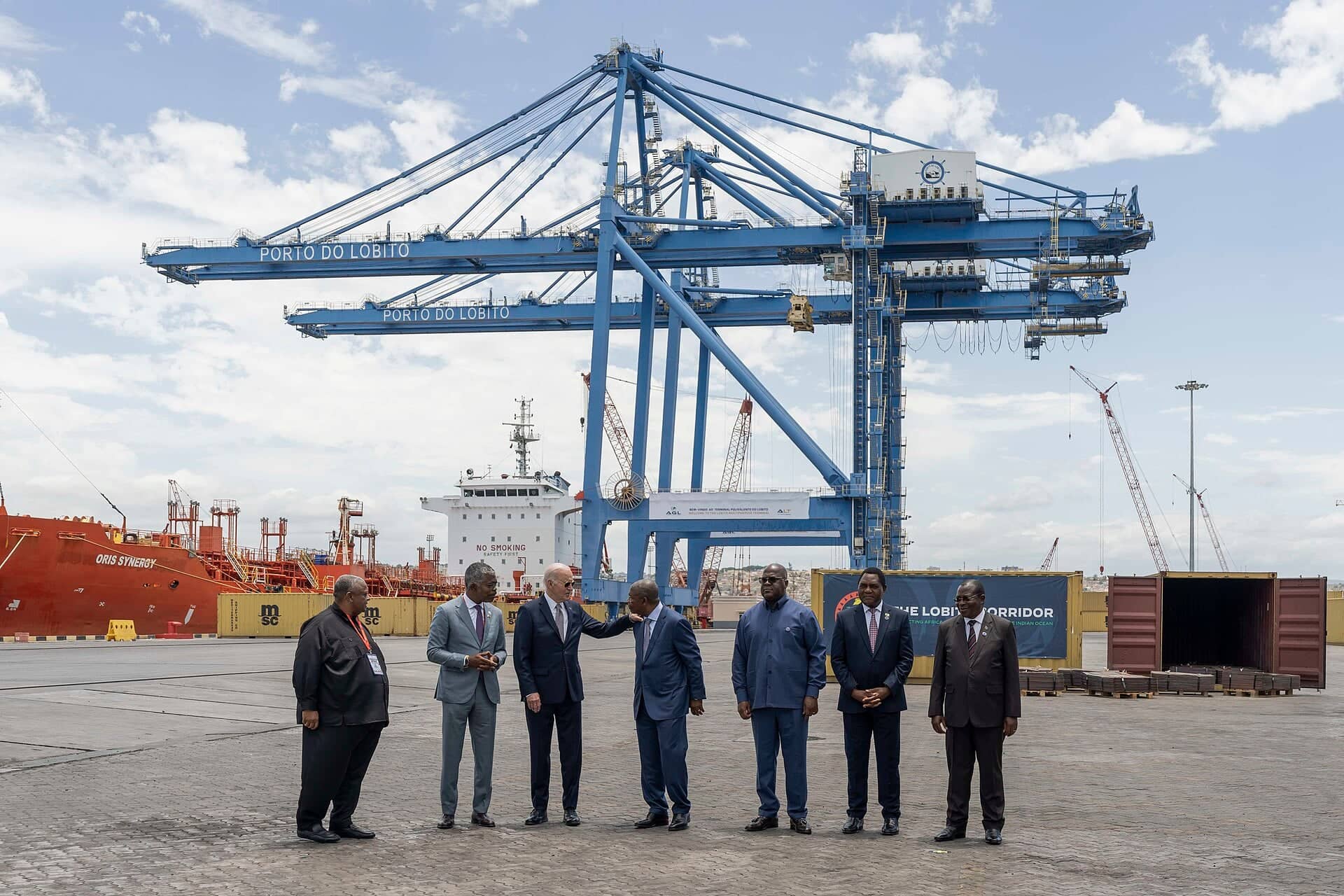
The Lobito Corridor serves as a vital export route for landlocked countries in southern Africa, including Zambia and the Democratic Republic of Congo itself. By securing a long-term concession for the Dilolo-Sakania section, Congo aims to stabilize the operational framework of this critical trade artery.
The agreement includes provisions for Congolese participation in oversight. Reports indicate that Congo will receive "a seat at the table," implying direct involvement in decision-making processes or monitoring mechanisms related to the railway's operation. This provision is designed to ensure that national interests are represented within the management structure of the concession.
Operational Scope and Duration
The 30-year duration of the concession provides Mota-Engil with a long-term horizon for investment and maintenance planning. The company will be responsible for the Dilolo-Sakania section, which is part of the broader Lobito Corridor network. This section is essential for linking mining regions in the interior to the port of Lobito in Angola, facilitating the export of minerals such as copper and cobalt.
The signing of this agreement follows months of negotiations between Congolese authorities and Mota-Engil. The deal formalizes the partnership that has been discussed in various diplomatic and economic forums. It underscores Congo's strategy to attract foreign investment for infrastructure development while retaining a degree of control through royalty payments and oversight roles.
Market Reaction and Regional Context
The announcement of the concession has drawn attention from international markets and regional stakeholders. The deal is viewed as part of a broader effort to improve logistical efficiency in Central and Southern Africa. Improved rail infrastructure is expected to reduce transport costs and time for goods moving through the corridor.
Mota-Engil, known for its extensive projects across Africa, Europe, and South America, will now focus on implementing the terms of the agreement. The company's involvement brings established expertise in railway construction and management to the region. The 1,004-kilometer stretch under its care will require significant maintenance and potential upgrades to meet the operational standards set by the concession.
The Congo government has stated that the agreement aligns with its national development goals. By leveraging its natural resources through improved transport links, Congo aims to boost economic growth and integrate more deeply into global supply chains. The 7.5 percent royalty will contribute to state revenues, which can be allocated to other public services or infrastructure projects.
Next Steps for Implementation
Following the signing, Mota-Engil is expected to begin preliminary assessments of the Dilolo-Sakania railway. This phase will involve technical evaluations and planning for any necessary repairs or modernization. The 30-year timeline allows for phased investments in track renewal, signaling systems, and rolling stock.
The agreement does not specify immediate capital expenditures but outlines the financial obligations over the long term. The indicative US$1.258 billion value serves as a benchmark for the contract's scale. The royalty payments will be calculated based on actual operational revenues, meaning fluctuations in trade volumes will directly impact the income received by Congo.
Stakeholders in the region are monitoring the implementation of this deal closely. The success of the concession could influence future infrastructure agreements in Congo and neighboring countries. The focus remains on ensuring that the rail corridor operates efficiently to support regional trade and economic stability.
The signing of the Mota-Engil concession marks a concrete step in the development of the Lobito Corridor. With the Dilolo-Sakania section now under a defined long-term agreement, the region moves closer to realizing improved logistical capabilities for its mining and agricultural sectors.