


Diverging Narratives on Diplomatic Standing
One of the most persistent claims in Israeli politics today is that the country has become internationally isolated. Opposition figures cite hostile votes in global forums, western criticism and deteriorating public opinion as evidence that the government has inflicted lasting diplomatic damage.
Coalition politicians respond that Israel remains respected, feared and highly sought after. As Israelis prepare to vote on October 27, this question matters. Voters will be asked, explicitly or otherwise, whether the coalition has dangerously isolated Israel or maintained its strategic position.
Embassy Relocations Signal Continued Engagement
With Slovenia and Colombia expected next, the number of embassies in Jerusalem will soon reach 10. This development stands in contrast to narratives suggesting a retreat from international diplomatic norms. The movement of diplomatic missions suggests that nations continue to establish physical presences within the Israeli capital.
The Abraham Accords Framework
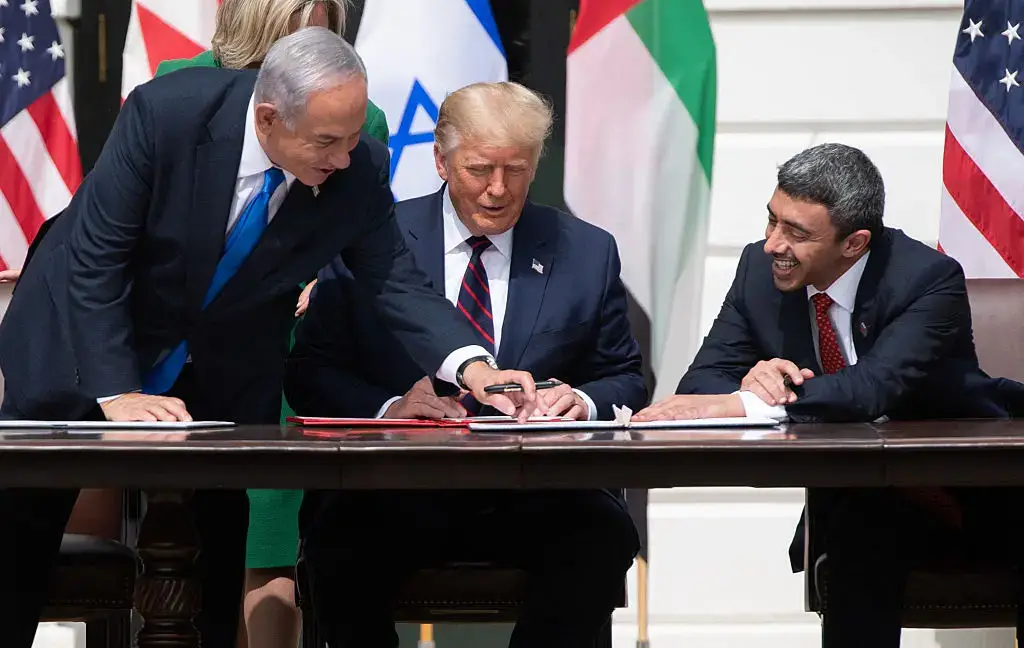
The Abraham Accords, signed in September 2020, normalized ties between Israel, Bahrain, and the United Arab Emirates. This agreement established a precedent for diplomatic normalization that continues to influence current geopolitical alignments. The signing took place at the White House in Washington, DC, on September 15, 2020.
Israeli Prime Minister Benjamin Netanyahu participated in the signing alongside US President Donald Trump and UAE Foreign Minister Abdullah bin Zayed Al-Nahyan. The event marked a historic moment where Bahrain and the United Arab Emirates recognized Israel, normalizing ties between the Jewish and Arab states.
Current Electoral Context
The debate over Israel's international standing is occurring against the backdrop of an upcoming national election. The October 27 vote will serve as a referendum on the current government's foreign policy outcomes. Coalition supporters argue that the influx of new embassies and ongoing trade pacts disproves claims of isolation.
Opposition leaders maintain that hostile votes in global forums indicate a deeper, more systemic diplomatic crisis. They point to western criticism as evidence that Israel's standing has deteriorated significantly under current leadership.
Trade and Security Deal Momentum
Countries are rushing to sign trade and security deals with Israel despite the prevailing narrative of isolation. These agreements suggest that economic and security interests continue to drive foreign policy decisions regarding Israel. The persistence of these negotiations indicates that geopolitical calculations remain separate from diplomatic rhetoric.
The expectation that Slovenia and Colombia will move their embassies to Jerusalem further complicates the isolation narrative. If realized, this would bring the total number of embassies in the city to 10. This figure represents a specific count of diplomatic missions located in the Israeli capital.
Political Implications for Voters
The question of whether Israel is isolated or engaged is central to the upcoming October 27 election. The coalition government points to tangible diplomatic achievements, such as embassy relocations and accords, as proof of success. Opposition figures focus on voting records in international bodies as evidence of failure.
Voters will be asked to assess these competing claims when they cast their ballots. The outcome may determine the direction of Israel's foreign policy for the next term. The tension between perceived isolation and active diplomatic engagement remains a key issue in the current political landscape.