

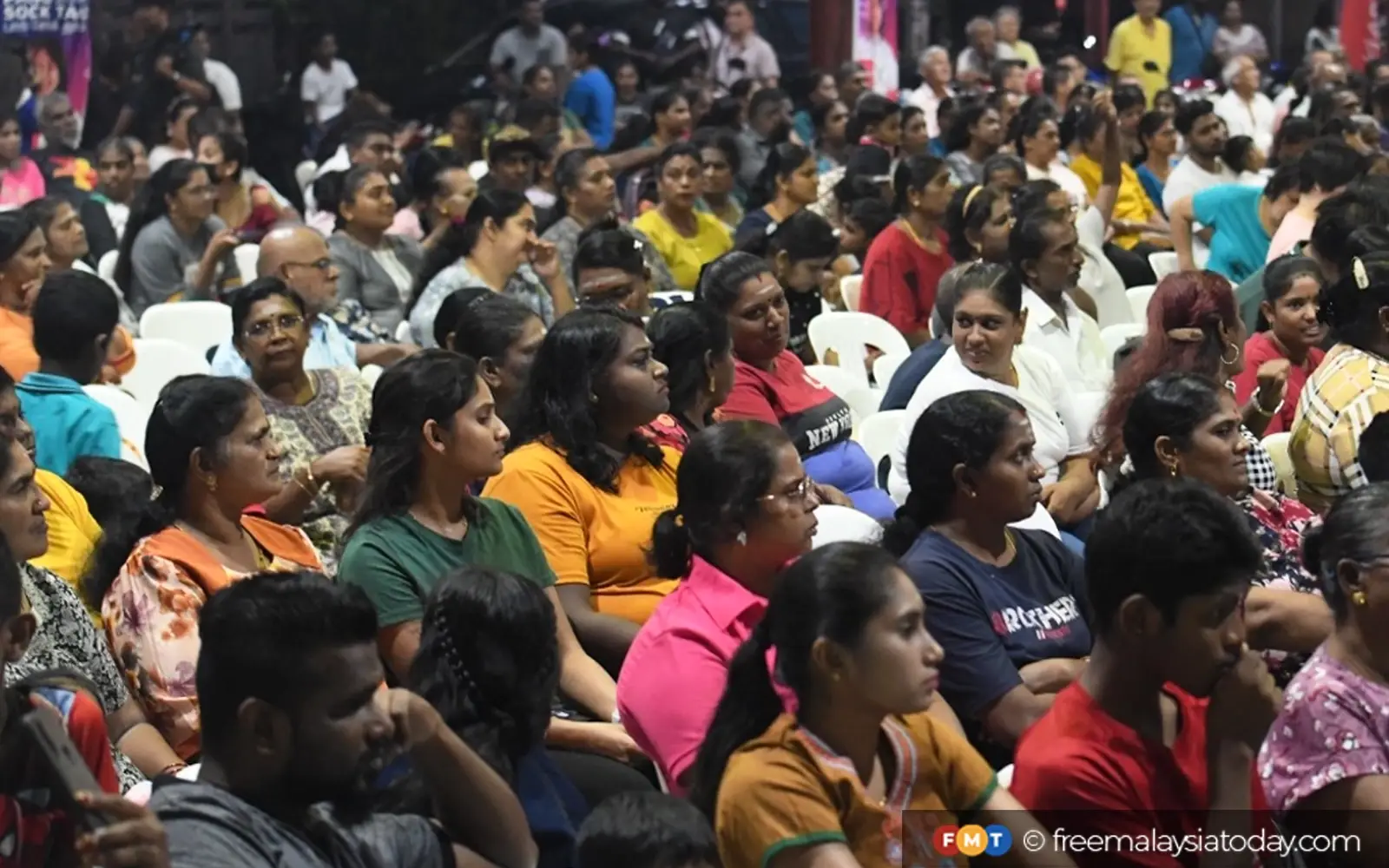

Indian Electorate's Pivotal Role in Negeri Sembilan Polls
The upcoming Negeri Sembilan election, scheduled for August 1, is poised to be significantly influenced by the voting intentions of the Indian community. This demographic, representing a substantial portion of the electorate, is being closely watched as their collective decision could prove decisive in determining the final results, particularly in several key constituencies across the state.
While the Indian community constitutes 14.9% of Negeri Sembilan's 889,490 registered voters, their historical voting patterns have often leaned towards the Pakatan Harapan (PH) coalition. However, recent discussions with leaders representing various Indian community groups suggest that this long-standing allegiance may no longer be a foregone conclusion. This potential shift in political support could present considerable challenges for PH's electoral prospects in the state.
Mounting Dissatisfaction Over Federal Handling of Key Issues
Emerging reports indicate a growing undercurrent of dissatisfaction within the Indian community, stemming from the federal government's perceived inadequate response to specific contentious issues. Two prominent areas of concern have been identified as potent drivers of voter sentiment: the ongoing controversies surrounding Hindu temples and the federal government's policies regarding the intake of Indian students into matriculation courses.
Hindu Temple Controversies Fuel Discontent
Leaders from within the Indian community have voiced their disappointment, stating that the federal government has not adequately addressed or resolved issues related to Hindu temples. The manner in which these sensitive religious matters have been handled by the administration in Putrajaya has reportedly fostered a sense of discontent among voters who have historically been supportive of PH. This perceived failure to champion or effectively manage religious affairs has alienated a segment of the community, potentially impacting their voting choices.
Concerns Over Matriculation Course Admissions
Beyond religious sensitivities, a distinct and significant source of grievance lies in the federal government's policies concerning the intake of Indian students into matriculation programs. This issue, deeply rooted in educational access and opportunity, is being cited as another critical factor that could sway crucial votes away from Pakatan Harapan. The combination of these grievances—spanning religious rights and educational equity—suggests a potential recalibration of voter priorities as the August 1 election draws nearer.
Strategic Electoral Challenges for Pakatan Harapan
The possibility of losing substantial support from the Indian community presents a significant strategic hurdle for Pakatan Harapan. A withdrawal of votes, driven by the aforementioned grievances, could have a tangible and detrimental impact on the coalition's overall performance in Negeri Sembilan. The coalition's ability to retain power or secure victories in key seats may hinge on its capacity to address these concerns effectively.
Insights gleaned from roundtable discussions involving Indian community leaders and media outlets like Free Malaysia Today reveal that the patience of many within the community with the current federal administration is reportedly waning. The perception that the government has not responded sufficiently to the temple controversies or has imposed limitations on educational intake has created a political landscape where PH can no longer automatically depend on its traditional voter base. This necessitates a more targeted and responsive approach to campaigning and policy engagement.
Understanding Negeri Sembilan's Demographic Landscape
Negeri Sembilan stands out among Malaysian states for its relatively significant Indian population within its overall electoral makeup. The 14.9% share of registered voters, while not constituting a majority, represents a substantial and influential bloc. In constituencies where electoral margins are typically narrow, this demographic's voting decisions can easily become the deciding factor between victory and defeat for political coalitions.
As the August 1 polls loom, the heightened focus on these specific community grievances underscores the critical importance of nuanced political engagement and effective relationship-building for all political coalitions. The ultimate outcome of the Negeri Sembilan election may well depend on whether Pakatan Harapan can successfully navigate and mitigate this growing dissatisfaction or if the accumulated grievances continue to erode its foundational support among Negeri Sembilan's Indian voters.