


Revisiting the Mughal Emperor Through Primary Sources
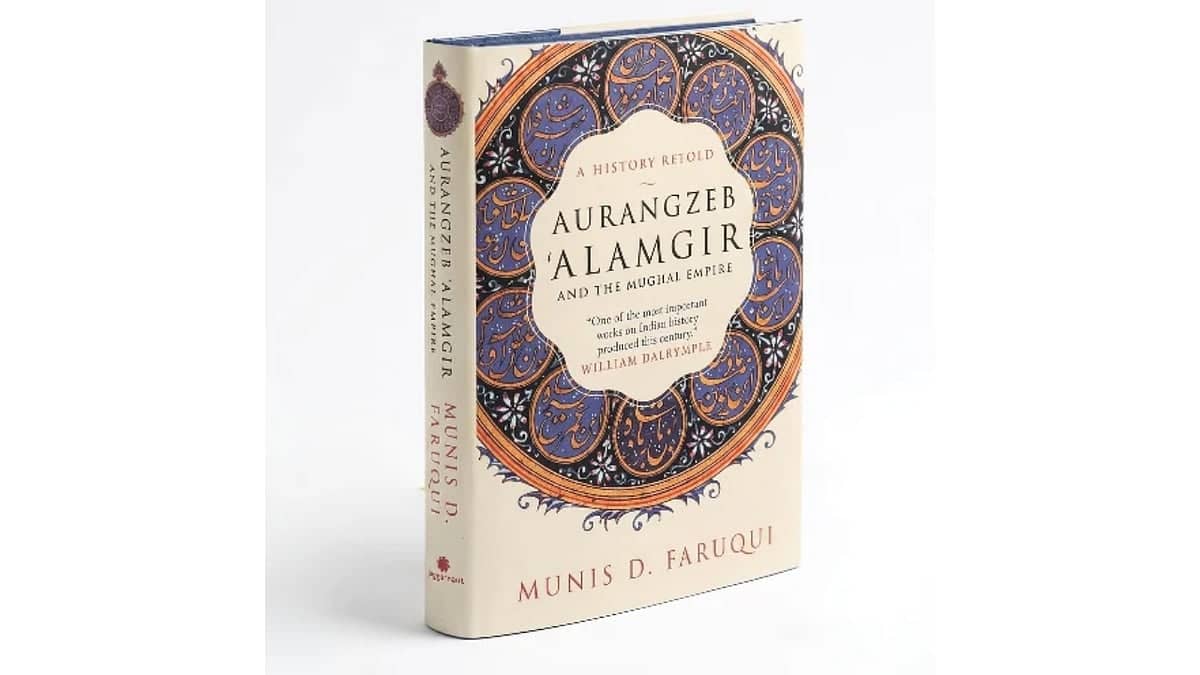
A new biography titled "Aurangzeb Alamgir" by historian Munis D. Faruqui seeks to dismantle long-standing narratives regarding the life and rule of the Mughal emperor Aurangzeb. The book, which challenges colonial-era portrayals of the ruler, relies heavily on imperial court records to construct a more nuanced historical picture. According to the text, this approach allows for an examination of Aurangzeb’s rise to power, his extensive military campaigns in the Deccan region, and the complexities of his long administration.
Faruqui’s work suggests that the emperor’s widely held negative reputation is largely a product of colonial bias. The biography argues that this bias has obscured a balanced historical assessment of Aurangzeb’s strengths as a ruler. By shifting the focus from secondary colonial interpretations to primary imperial documents, the author aims to provide a clearer view of the administrative policies and religious image that defined the emperor's tenure.
The Deccan Wars and Administrative Policies
A significant portion of Faruqui’s analysis is dedicated to Aurangzeb’s military engagements, particularly the wars in the Deccan. These campaigns were central to the expansion and consolidation of Mughal authority during this period. The biography details how these conflicts influenced the emperor’s administrative decisions and contributed to the complexities of his reign.
The text indicates that Faruqui uses court records to trace the logistical and political challenges Aurangzeb faced during these prolonged military endeavors. Rather than viewing these wars solely through a lens of failure or religious intolerance, as some earlier narratives have suggested, the biography presents them as integral components of the emperor’s strategic governance. The administrative policies implemented during this time are examined for their impact on the empire’s stability and structure.
Religious Image and Governance
The biography also addresses Aurangzeb’s religious image, a topic that has often dominated historical discourse surrounding the Mughal era. Faruqui utilizes imperial records to explore how religious policies were formulated and executed within the context of statecraft. The work suggests that these policies must be understood through the lens of contemporary governance rather than later colonial judgments.
By examining the interplay between religious doctrine and administrative practice, the book attempts to separate verified historical actions from mythologized interpretations. This method allows for a re-evaluation of how Aurangzeb’s faith influenced his decisions as an emperor, providing readers with a perspective that is grounded in primary documentation rather than post-colonial critique.
Challenging Established Historical Narratives
The publication of "Aurangzeb Alamgir" contributes to ongoing scholarly debates about the interpretation of Mughal history. Faruqui’s argument that colonial bias has shaped the emperor’s legacy is a central thesis of the work. The biography posits that previous assessments have failed to adequately account for the strengths and administrative capabilities demonstrated by Aurangzeb in court records.
This re-evaluation does not dismiss the challenges or controversies of Aurangzeb’s reign but rather places them within a different analytical framework. By prioritizing imperial court documents, the biography offers a counter-narrative to those established during the colonial period. The goal is to present an emperor whose rule was defined by complex political and military realities, rather than by simplified stereotypes.
Historical Significance of the New Perspective
The release of this biography marks a significant intervention in the study of Indian history. It invites historians and readers to reconsider the sources used to evaluate Aurangzeb’s rule. The reliance on imperial court records provides a direct link to the administrative machinery of the Mughal Empire, offering insights that were previously obscured by colonial-era interpretations.
Faruqui’s work underscores the importance of primary source analysis in historical revisionism. By highlighting the discrepancies between colonial portrayals and the evidence found in imperial documents, the biography challenges readers to engage with a more detailed and less biased account of Aurangzeb Alamgir. The text serves as a comprehensive examination of an emperor whose legacy has been heavily contested for centuries.