


Theoretical Framework for Displacement
A special issue of the Amerasia Journal titled "Between Refuge and Refuse: New Mediums/Methods for Theorizing Refugee Environments" explores the intersection of refugee studies and environmental justice. The publication asks readers to rethink the concept of refuge as humanitarian crises and climate change intensify globally.
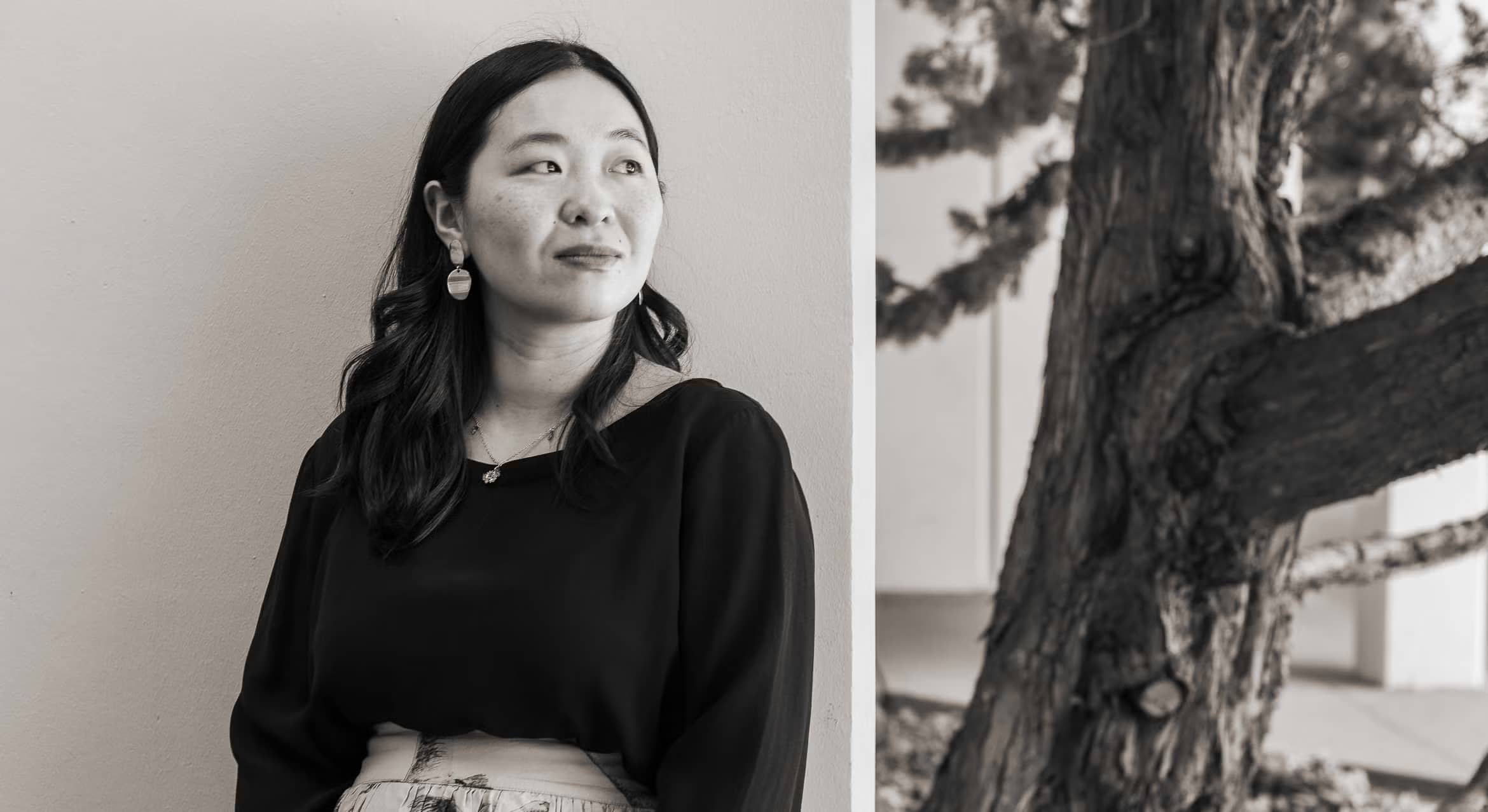
Co-edited by Heidi Amin-Hong, assistant professor of English at UC Santa Barbara, the issue draws on the work of filmmaker and theorist Trinh T. Minh-ha. The editors utilize Minh-ha’s conceptual framework to examine the space between "refuge," "refuse" (to reject), and "refuse" (waste). This theoretical lens allows for an examination of how systems of colonialism, militarism, and global capitalism create displacement and treat both people and environments as disposable.
Co-editors Amin-Hong, Evyn Lê Espiritu Gandhi of UCLA, and Emily Hue of UC Riverside assert that what is treated as disposable reveals overlapping forces of militarization, racial capitalism, and climate change. They state that the project refuses colonial and imperial logics that produce refugees as worthless refuse.
Mapping Geopolitics and Solidarity
Amin-Hong stated that refuges are shaped by geopolitics and ideas about who is deserving of refuge. She described the project’s methodological scope as ambitious, aiming to bring together scholars, poets, artists, and cultural practitioners.
"It’s about thinking through how refuges are created as sanctuaries for displaced human populations or endangered wildlife," Amin-Hong said, "but also are shaped by geopolitics and ideas about who is deserving of refuge."
The co-editors argue that refuge must be remapped as both a geographic space and an ideological imaginary. They contend that this remapping requires separating refuge from spaces of carcerality and enclosure, grounding it instead in solidarity and self-determination.
Artistic and Academic Contributions
The journal issue features diverse contributions connecting refugee geographies across Korea, Palestine, and Vietnam. The content includes an interview with filmmaker Tuan Andrew Nguyen regarding unexploded ordnance in Vietnam and poetry by Hmong writer Mai Der Vang.
Visualizing the Climate-Conflict Nexus
Related work by artist Tiffany Chung addresses the climate-conflict-migration nexus through her exhibition "Tiffany Chung: indelible traces" at the UC Santa Barbara Art, Design & Architecture Museum. The exhibition utilizes hand-drawn maps, embroidered works, and sculptural installations to trace these connections.
Chung’s work aligns global carbon dioxide emissions with patterns of displacement. Her art traces refugee routes alongside fossil-fuel emissions and U.S. military bases to highlight the entanglement of social, political, economic, and environmental processes.
Documentation of Chung’s "floating village" installation was presented by the United Nations Office for Disaster Risk Reduction alongside its 2024 Asia-Pacific Ministerial Conference. This presentation extended the project into policy discussions regarding disaster risk reduction.