


Revised Economic Estimates for Carbon Emissions
\nA major scientific assessment released this week warns that the economic consequences of climate change may be far greater than previously estimated. The report, titled \"10 New Insights in Climate Science 2026/2027,\" draws together evidence published between January 2025 and June 2026 to present a comprehensive picture of current environmental pressures.
\nAmong its most significant findings, researchers concluded that the financial damage associated with carbon emissions could be several times higher than many earlier estimates suggested. Scientists stated that previous calculations may have substantially underestimated the true cost of carbon emissions, prompting a reevaluation of how economic risks are modeled in relation to global warming.
\nRecord Warming and Atmospheric Changes
\nThe assessment highlights that 2025 was approximately 1.43 degrees Celsius warmer than pre-industrial levels. Data indicates that human activities released a record 38.1 billion tonnes of carbon dioxide from fossil fuel use and cement production during the period covered by the report.
\nAtmospheric carbon dioxide concentrations reached about 425.6 parts per million in 2025. Researchers found that the years between 2015 and 2025 collectively represented the warmest 11-year period ever recorded, underscoring the accelerating pace of global temperature increases.
\nOcean Heat and Sea-Level Rise
\nThe report notes that ocean heat content reached a record level for the ninth consecutive year in 2025. Scientists estimate that more than 90 per cent of excess heat trapped in the Earth's climate system is absorbed by the oceans.
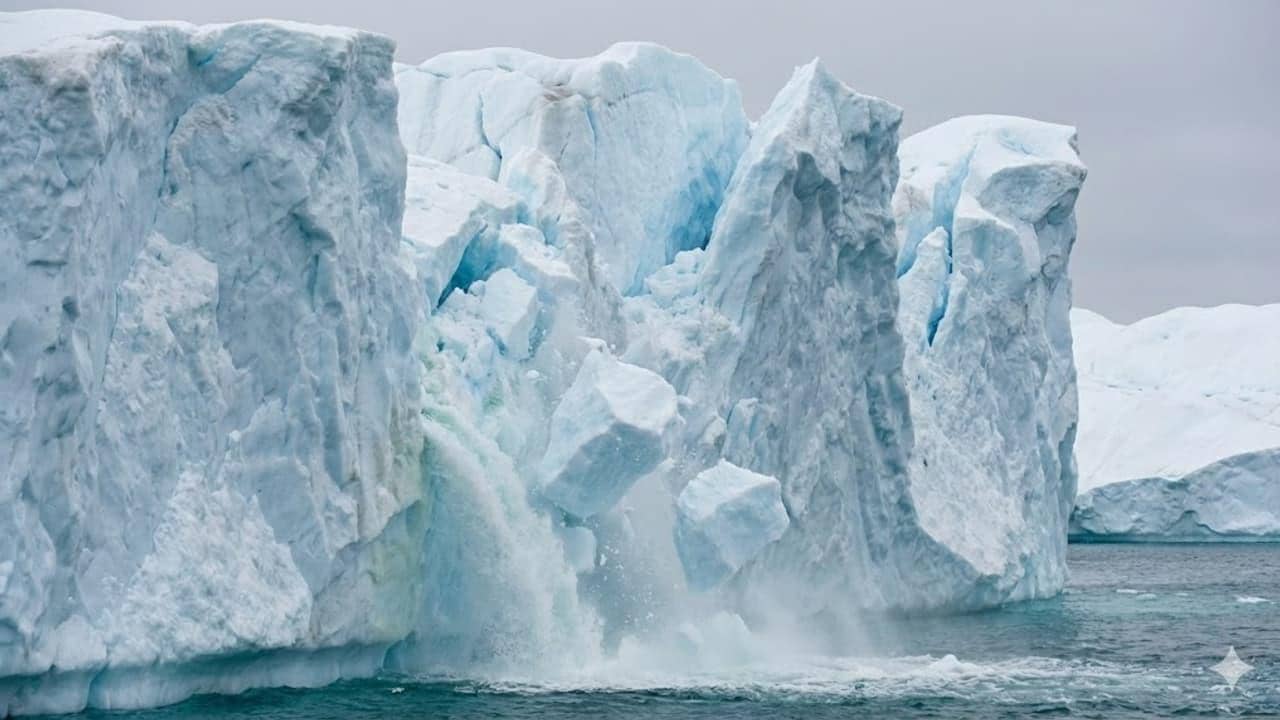
\nConsequently, the global rate of sea-level rise has doubled during the past three decades. The assessment warns that continued emissions under current policy pathways could lock in hundreds of millimetres of additional sea-level rise by 2300. This long-term projection highlights the permanence of certain climate impacts even if emissions are curbed in the near term.
\nWater Stress and Regional Pressures
\nThe report also addresses immediate pressures on freshwater resources. Approximately one billion people currently live in coastal areas less than 10 metres above sea level, placing them at risk from rising waters. About three-quarters of the world's population live in countries that have been losing freshwater resources since 2002.
\nGlobal water consumption already exceeds sustainable levels by hundreds of cubic kilometres annually. South Asia is highlighted as one of the regions facing particularly intense pressure due to irrigation demands, groundwater depletion and increasing water