

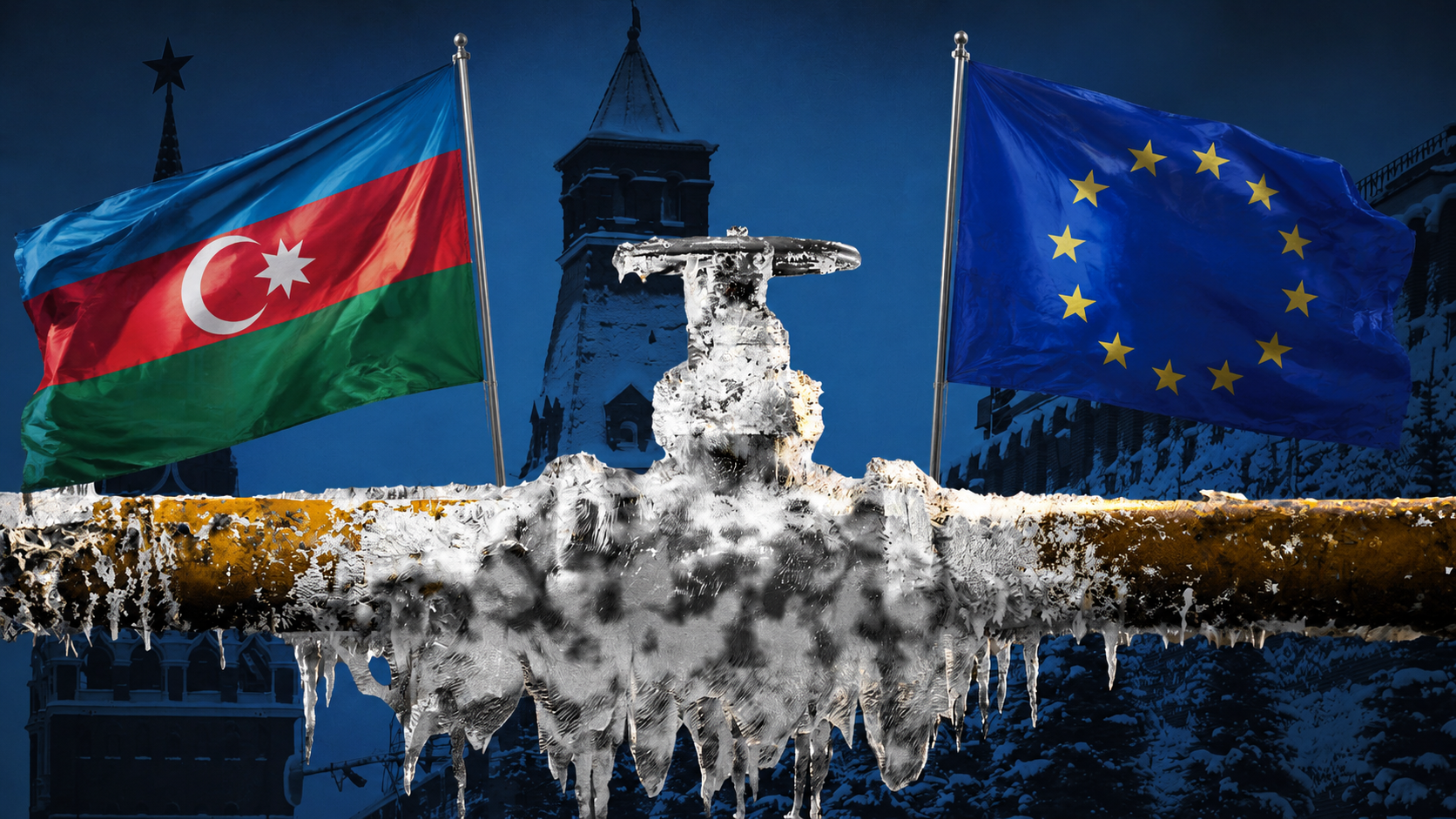

Europe's Evolving Energy Landscape
Europe's energy security strategy is entering a new phase, marked by ongoing market volatility and strategic reorientations. Natural gas prices, as indicated by the Title Transfer Facility (TTF), are currently near €50 per megawatt-hour (MWh), reflecting persistent market sensitivity. While below peak levels observed in previous years, this price point indicates a continued premium for gas supplies, influenced by global demand, geopolitical events, and the ongoing efforts to secure non-Russian energy sources. The volatility underscores the European Union's strategic imperative to diversify its energy import portfolio and enhance supply resilience.
Concurrently, European gas storage facilities are reported at approximately 36% capacity. This figure represents a critical metric for assessing the continent's preparedness for potential fluctuations in demand, particularly during colder months or in the event of unforeseen supply disruptions. Maintaining adequate storage levels is a core component of energy security strategies, aiming to buffer against immediate market shocks and ensure continuity of supply to industrial and residential consumers.
Geopolitical Factors Influencing Supply
The impending full effect of a Russian energy ban by 2027 further intensifies the urgency of Europe's diversification efforts. This timeline necessitates the rapid development and scaling of alternative supply routes and partnerships to mitigate the significant void left by Russian hydrocarbons. The strategic pivot away from Russian energy has been a cornerstone of EU policy since recent geopolitical developments, driving a continent-wide reassessment of energy dependencies and accelerating the search for reliable alternative sources.
Adding another layer of complexity to the global energy landscape is the reported closure of the Strait of Hormuz. This vital maritime chokepoint, through which a substantial portion of the world's seaborne oil and liquefied natural gas (LNG) transits, impacts global supply chains and introduces potential for price volatility in international energy markets. While not directly linked to pipeline gas from Azerbaijan, disruptions in such critical global routes can indirectly influence overall energy market dynamics and reinforce the value of diversified, secure pipeline supplies that bypass maritime chokepoints.
Azerbaijan's Role in EU Energy Security
In this context of evolving market conditions and geopolitical shifts, Azerbaijan has emerged as a significant, albeit currently modest, supplier of natural gas to the European Union. Presently, Azerbaijan accounts for 6% of the bloc's total gas imports. This existing supply channel, primarily facilitated through the Southern Gas Corridor, provides a direct and established route for Caspian gas to reach European markets, offering a degree of diversification away from traditional sources.
The current contribution of Azerbaijani gas is part of a broader strategy by the EU to reduce reliance on single suppliers and enhance overall energy independence. The infrastructure supporting this supply, including the Trans-Anatolian Natural Gas Pipeline (TANAP) and the Trans-Adriatic Pipeline (TAP), represents a strategic asset in Europe's energy network.
Discussions on Supply Expansion
The question of how rapidly Azerbaijan's natural gas supply to the European Union can be doubled to 12% is now a focal point of discussions involving multiple European capitals, including Berlin, Rome, and Bratislava, alongside Baku. These simultaneous inquiries from key European states and Azerbaijan indicate a shared strategic interest in accelerating the expansion of gas deliveries.
Such an increase would represent a significant step in bolstering Europe's energy resilience, providing an additional stable source of gas amidst ongoing market uncertainties and the strategic imperative to replace Russian volumes. The dialogue between these nations suggests an exploration of the technical, logistical, and commercial pathways required to achieve this accelerated expansion. This includes potential enhancements to existing pipeline capacity, investment in upstream production, and the negotiation of long-term supply agreements that would underpin such an increase.
For Berlin, Rome, and Bratislava, increasing gas imports from Azerbaijan would contribute to their national energy security strategies, diversifying their supply mix and potentially mitigating the impact of global energy market fluctuations. For Baku, such an expansion would solidify its position as a key energy partner for Europe, potentially leading to increased revenue and strengthened geopolitical ties.