

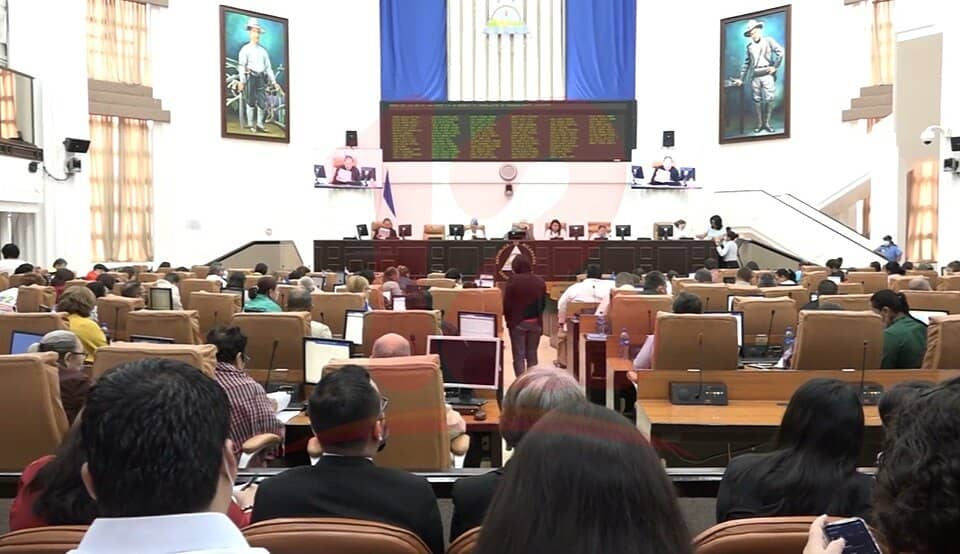

Legislative Approval of Constitutional Amendment
Nicaragua’s National Assembly has given its first approval to a proposed constitutional amendment. The primary objective of this legislative proposal is to nullify the authority of foreign laws within Nicaraguan jurisdiction. According to reporting by The Rio Times, the amendment aims to establish a legal framework where external legal statutes do not hold validity inside the nation.
The passage of this initial vote represents a significant procedural step in the legislative process. However, the amendment is not yet law. The proposal must navigate additional hurdles before it can take effect. Specifically, the text requires approval from a second legislature. Following that legislative confirmation, the amendment must be published in the official gazette to become operative.
Procedural Requirements for Enactment
The path to enactment involves strict procedural adherence. The National Assembly’s initial vote clears the first major obstacle. Subsequent steps involve a second round of legislative voting. This second vote is necessary to finalize the constitutional change. Only after this dual-approval process can the document proceed to publication.
Publication in the official gazette serves as the final trigger for the amendment’s effectiveness. Until this publication occurs, the nullification of foreign laws remains a proposal rather than enforceable policy. The requirement for two separate legislative votes ensures that the constitutional change undergoes thorough review before impacting the legal landscape.
Implications for Legal Sovereignty
The proposed changes signal a shift in how Nicaragua intends to handle international legal influences. By nullifying foreign laws, the amendment seeks to assert greater domestic legal sovereignty. This move isolates Nicaraguan courts and legal institutions from external statutory authority. The intent is to ensure that only domestically enacted laws govern within the country’s borders.
Reporting indicates that this reform is part of a broader constitutional adjustment. The specific focus on foreign laws highlights a desire to limit cross-border legal enforcement. This could affect various sectors, including commerce, human rights, and international agreements. However, the immediate impact is limited to the legislative stage. No foreign laws have been officially voided yet, as the process is ongoing.
Current Status of the Reform
As of the latest reporting, the amendment remains in the preliminary stages. The National Assembly’s approval was a necessary first step. It does not guarantee final passage. Critics and supporters alike are watching the second legislative vote closely. The outcome of this next phase will determine whether the nullification of foreign laws becomes reality.
The Rio Times reported on the initial approval, noting the specific goal of voiding foreign legal authority. The article highlights the procedural steps required for enactment. It does not provide details on opposition arguments or supporting statements from individual legislators. The focus remains on the factual progression of the amendment through the National Assembly.
Next Steps in the Legislative Process
The immediate future of this constitutional reform depends on the second legislative vote. Lawmakers must convene to review and approve the amendment again. This second approval is critical for the proposal’s survival. If it fails at this stage, the effort to nullify foreign laws will not proceed.
Assuming the second vote passes, the amendment moves to publication. The official gazette will serve as the public record of the constitutional change. This publication marks the point at which the law takes effect. Until then, foreign laws retain their current status in Nicaragua. The nullification is prospective, applying only after full enactment.
Monitoring Legislative Developments
Observers and legal experts are tracking the amendment’s progress. The initial approval suggests strong support within the National Assembly for this specific change. However, the requirement for a second vote introduces uncertainty. Political dynamics may influence the final outcome.
The nullification of foreign laws is a substantial legal shift. It alters the relationship between Nicaragua and international legal systems. The reform’s success depends on completing all procedural steps. Failure at any stage could halt the process entirely. The coming legislative sessions will be decisive in determining the amendment’s fate.