


Confirmed Candidates Highlight Opposition Divisions
The Independent National Electoral Commission (INEC) has confirmed 18 presidential candidates and their running mates for the January 16, 2027 election in Nigeria. The final list underscores a fragmented opposition landscape, with several prominent political figures operating under separate parties rather than a unified front.
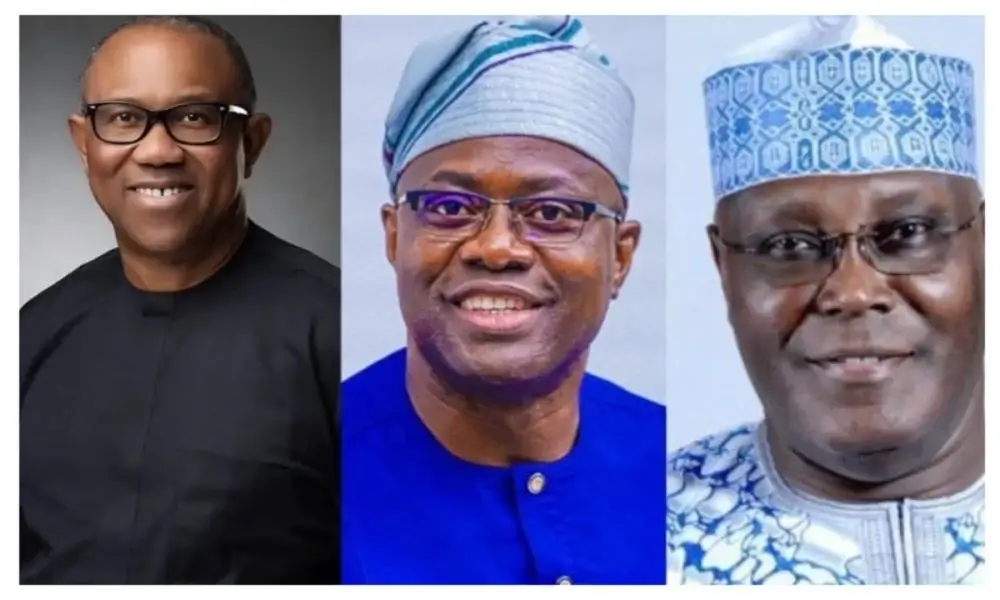
Among the confirmed candidates are former Vice President Atiku Abubakar, who is running on the ticket of the African Democratic Congress (ADC), and Peter Obi, the presidential candidate for the Nigeria Democratic Congress (NDC). Obi has selected former Kano State governor Rabiu Kwankwaso as his running mate.
Channels Television reported in September that the formal presidential field had exposed ongoing problems regarding opposition unity. The network noted that instead of consolidating around a single contender, several prominent politicians have chosen to pursue separate tickets for the upcoming election.
Breakdown of Earlier Unity Agreements
The current state of opposition fragmentation marks a departure from earlier efforts to consolidate support. In 2026, the push for a unified opposition gained momentum when leaders agreed in the Ibadan Declaration to work toward selecting a single candidate.
However, that agreement has been significantly weakened by recent developments within the ADC-led arrangement. In May, Obi and Kwankwaso left the arrangement, citing internal divisions and legal disputes as reasons for their departure. This move effectively dismantled the coalition’s ability to present a joint ticket.
Following these departures, the ADC proceeded with its own selections. The party selected former Rivers State governor Rotimi Amaechi as Atiku Abubakar’s running mate following consultations with stakeholders within the party.
Attempts at New Frameworks
Despite the collapse of previous unity pacts, other mechanisms for cooperation have been attempted. In September, an opposition summit organized by the G100 and the Minority Caucus of the House of Representatives brought together representatives from multiple parties.
The attendees included delegations from the ADC, NDC, Peoples Democratic Party, Peoples Redemption Party, and Social Democratic Party. During this meeting, participants proposed a framework for cooperation and the selection of a possible single presidential candidate.
Five working groups were established during the summit to develop this framework further. However, the effort was hampered by the absence of some major contenders who had already committed to separate platforms.
Ongoing Reconciliation Efforts
Efforts to bridge gaps between former allies continue even as candidates prepare for the 2027 race. Buba Galadima, an NDC chieftain and ally of Kwankwaso, stated in September that Obi and Kwankwaso were working to reconcile differences in their policy positions.
Galadima noted that this reconciliation process was aimed at addressing the divisions that led to their separate runs in the 2023 election. The status of these discussions remains unclear as the January 2027 deadline approaches, with the confirmed list of 18 candidates indicating that a unified opposition front is unlikely for the upcoming vote.
Structural Challenges to Opposition Consolidation
The difficulty in presenting a single presidential candidate for the 2027 election highlights the structural hurdles facing Nigeria’s opposition parties. Leading opposition figures are now firmly committed to separate platforms, making the earlier aspirations of unity increasingly difficult to realize.
While the Ibadan Declaration provided an initial framework for collaboration, the subsequent legal disputes and internal divisions within key alliances have eroded trust among potential coalition partners. The departure of Obi and Kwankwaso from the ADC-led arrangement in May served as a critical turning point, signaling that individual political ambitions often outweigh collective strategy.
The establishment of working groups during the September summit offered a glimmer of hope for renewed cooperation, but the absence of major contenders who had already secured their tickets limited the summit's immediate impact. As the election date nears, the opposition remains divided across multiple parties, with no clear path to a consolidated front against the ruling party.