


Direct Confrontation Between Moscow And Kyiv
Russia's Foreign Ministry spokesperson, Maria Zakharova, has launched a blistering attack on Ukrainian President Volodymyr Zelensky, marking a significant escalation in the ongoing war of words between Moscow and Kyiv. Her remarks, delivered to international audiences, signal a deepening rift in diplomatic relations and a hardening of Russia's stance amidst the protracted conflict.
A central pillar of Zakharova's criticism involved accusations that Kyiv is actively glorifying Nazi collaborators. This specific allegation forms the core of Russia's current diplomatic offensive against Ukraine, aiming to delegitimize the Ukrainian government and its national identity in the eyes of the global community. According to reports from July 2026, these claims are strategically deployed by Moscow to frame the conflict not merely as a territorial dispute, but as a necessary intervention against what it describes as a resurgence of extremist ideologies within Ukraine.
Beyond historical accusations regarding national symbols and figures, Zakharova also claimed that Ukraine has consistently rejected peace proposals put forward by Moscow. These assertions were made while addressing a global audience via a video report released on the Times of India platform at approximately 05:57 AM local time. From Russia's perspective, this alleged rejection underscores Kyiv's unwillingness to engage in meaningful dialogue, thereby prolonging hostilities and placing the onus of continued conflict on the Ukrainian leadership.
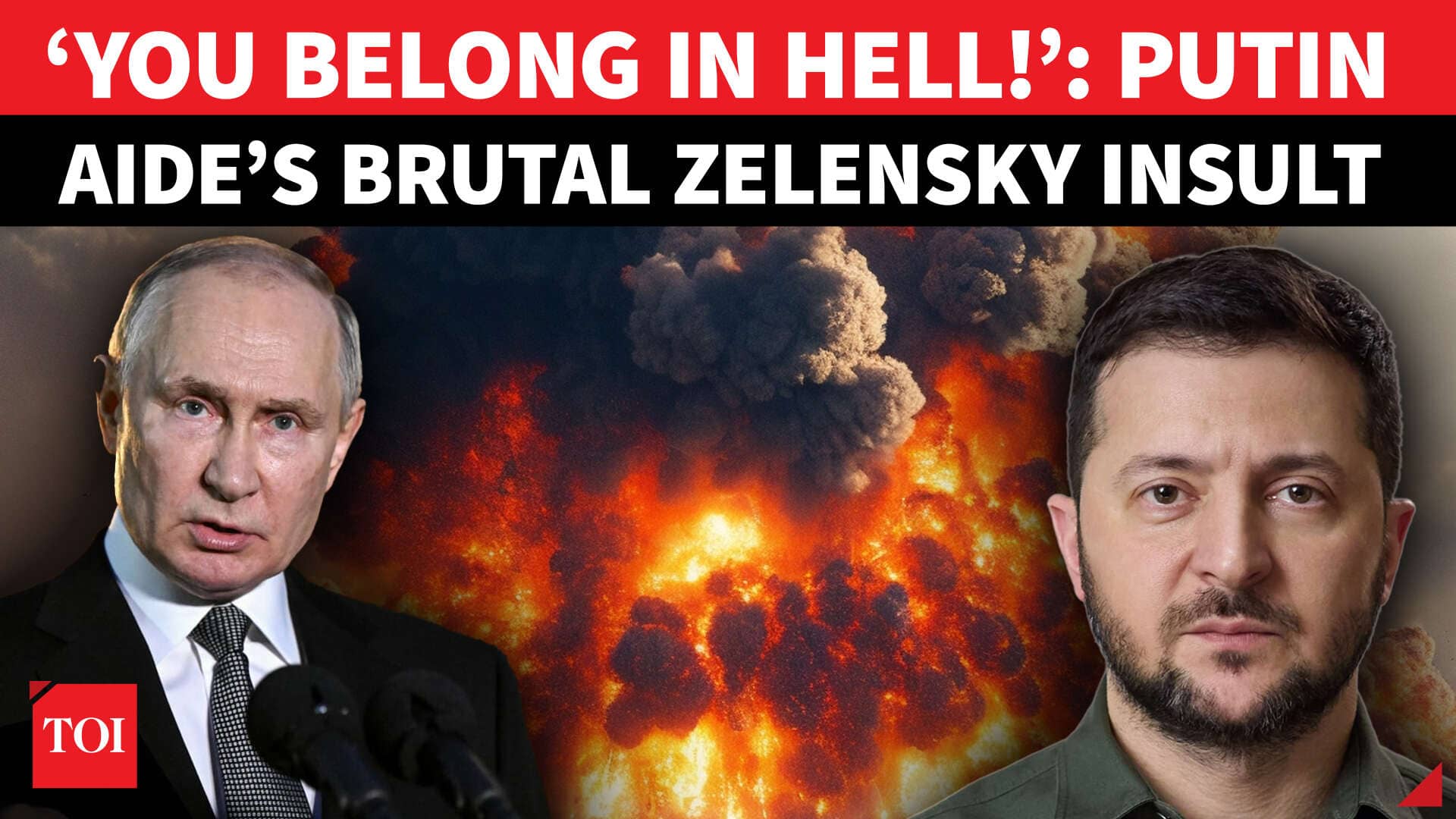
In a stark departure from conventional diplomatic language, the Russian diplomat further referred to the Ukrainian government as a "terrorist regime." This characterization represents a significant and alarming shift in tone from previous diplomatic exchanges, as noted by the source text. Such terminology not only demonizes the opposing government but also severely diminishes any prospects for future negotiation or de-escalation. Zakharova intensified her personal attack on President Zelensky, stating that he personally "belongs to hell" while simultaneously criticizing Ukraine's plans for a national pantheon, which Moscow views as an attempt to venerate figures associated with Nazi-era collaboration.
Criticism was also directed at what Moscow perceives as pervasive Western interventionism in the conflict. Zakharova accused Western nations of actively fueling the conflict, suggesting that external forces are preventing any genuine de-escalation efforts between the neighboring states, which have been locked in a struggle over territory and political control for an extended period. This narrative positions Western support for Ukraine as an impediment to peace rather than a means of defense.
Moscow's Challenge to Ukrainian Identity and Statehood
Zakharova's remarks included a particularly pointed critique of Ukraine's plans for a national pantheon. The Russian Foreign Ministry spokesperson argued that such institutions, intended to honor national heroes, are instead being used to celebrate individuals associated with the Nazi regime, rather than legitimate historical figures or universally recognized heroes. This accusation is not merely a historical dispute; it is a direct challenge to Ukraine's sovereign right to define its own national narrative and memorialize its past.
This criticism aligns with broader accusations consistently leveled by Moscow regarding how Kyiv handles its history and constructs its national identity, particularly during wartime. By labeling these efforts as the glorification of collaborators, Russia seeks to fundamentally delegitimize Ukrainian state-building initiatives and its current leadership in the eyes of international observers. The strategic intent is to undermine the moral authority of the Ukrainian government and to justify Russia's actions as a response to perceived historical revisionism and extremism.
The Russian narrative suggests that Ukraine's embrace of certain historical figures is evidence of a deeper ideological alignment with Nazism, a claim vehemently rejected by Kyiv and its allies. This persistent accusation serves to reinforce Russia's stated objectives for the conflict, portraying it as a necessary campaign to 'denazify' Ukraine, despite widespread international condemnation of this pretext.
Stalled Diplomacy Amidst Intensifying Rhetoric
The escalation in rhetoric, exemplified by Zakharova's recent statements, comes amidst a backdrop of persistently stalled peace efforts and continued, brutal fighting on the ground. Both sides have repeatedly expressed profound frustration with diplomatic channels that appear to yield no immediate or tangible results for either party involved in the conflict. This diplomatic impasse creates a vacuum that is often filled with increasingly harsh and uncompromising public statements, further entrenching positions.
Zakharova's comments represent a continuation of a hardline rhetorical approach from Moscow, which has repeatedly accused Kyiv of prolonging hostilities. These accusations are often tied to alleged collaborationist policies within Ukraine and the extensive external support networks provided by Western nations. From Russia's perspective, these factors collectively contribute to the ongoing conflict and prevent any meaningful progress towards a resolution.
Western Involvement as a Sticking Point
The Russian Foreign Ministry spokesperson also placed significant blame on Western nations for the persistence of violence and the lack of a diplomatic breakthrough. According to Zakharova, these countries are not merely observers or supporters but are actively fueling the conflict, thereby hindering any genuine efforts to seek a resolution through dialogue or negotiation. This perspective casts Western military and financial aid to Ukraine as an act of aggression against Russia, rather than assistance to a sovereign nation under attack.
This narrative contrasts sharply with statements made by Ukrainian officials and their international allies, who emphasize the necessity of security guarantees and robust reconstruction plans for a post-conflict Ukraine. However, those opposing viewpoints were not included in this specific report from July 2026, which focused exclusively on the accusations and perspectives articulated by Russian officials.
Deepening Diplomatic Isolation and Future Prospects
The use of terms such as "terrorist regime" to describe the Ukrainian government indicates a deepening and perhaps irreparable rift between Moscow and Kyiv. Such inflammatory language typically precedes further deterioration in diplomatic relations and can signal a reduced willingness for any form of direct engagement. It also raises the specter of potential retaliatory measures from either side, depending on how these allegations are received internationally and how they influence the broader geopolitical landscape.
Reports indicate that similar hardline rhetoric has been consistently employed by other senior Russian officials, including aides to President Vladimir Putin. These officials have, at times, issued ultimatums regarding the conduct of neighboring states and the involvement of third-party intervention during wartime scenarios. The consistent application of such aggressive language across various levels of the Russian government suggests a unified and deliberate strategy to shape the international narrative and maintain pressure on Ukraine and its allies, while simultaneously justifying Russia's ongoing military actions.