

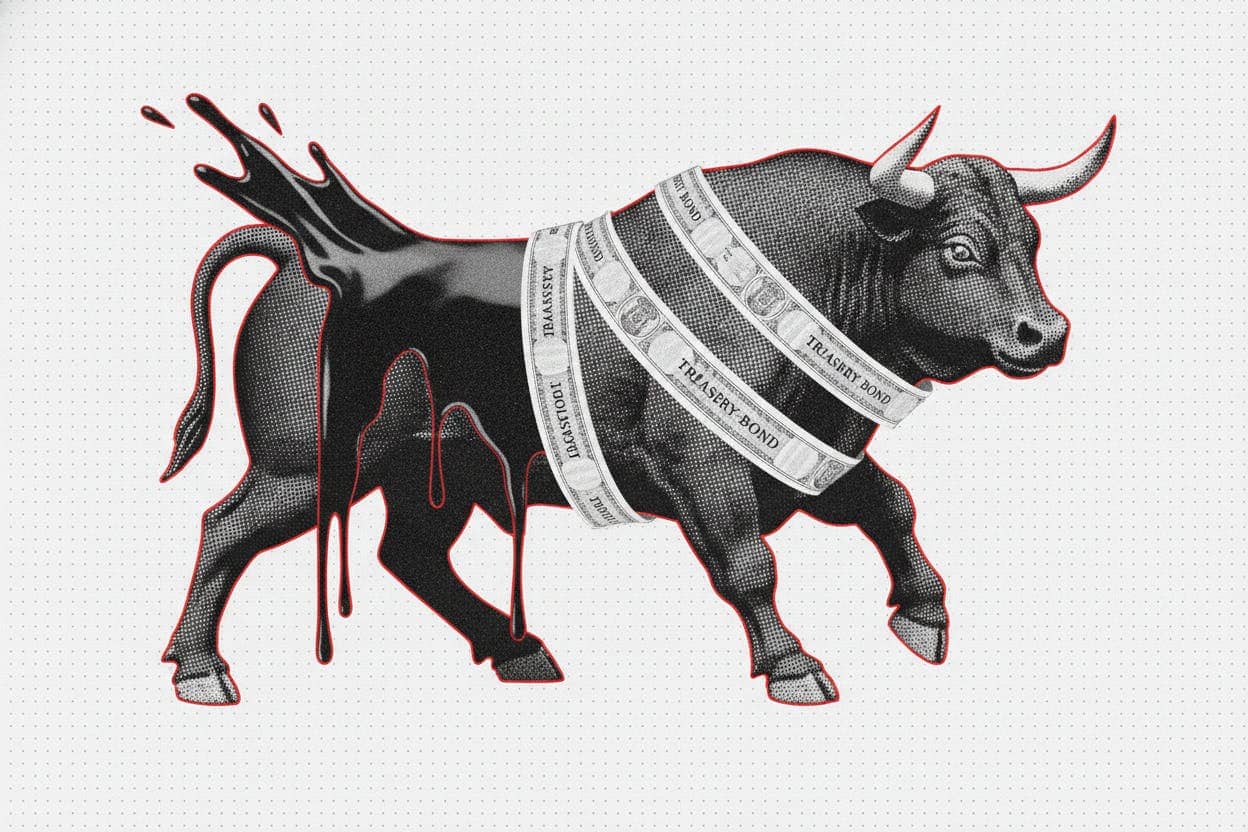

Crude Surges as Geopolitical Risks Mount
Oil prices rose sharply on Monday as traders reassessed the likelihood of shipping disruptions in the Strait of Hormuz, a critical artery for global energy supplies. West Texas Intermediate (WTI) crude jumped 3.5% to $80.88 per barrel, while Brent crude gained 3.4% to $86.40 per barrel, according to market reports.
The price increases followed statements from President Donald Trump signaling additional US economic pressure on Iran. The administration’s stance has intensified existing tensions between the two nations, which have already resulted in restrictions on shipping and attacks on commercial vessels in the region.
Traders are currently evaluating the possibility of the Strait of Hormuz being fully reopened. Uncertainty regarding the strait's operational status has emerged as the principal driver of oil prices. The waterway remains only partially open, keeping shipping volumes low and contributing to a substantial geopolitical risk premium embedded in crude costs.
While the market is no longer pricing in the worst conditions observed earlier in the conflict, upside risks persist due to the potential for renewed attacks or prolonged shipping disruptions. In separate intraday trading data, WTI was noted close to $79 and Brent near $84 per barrel, with the Brent-WTI spread holding at approximately $5.
Yields Climb Amid Mixed Equity Performance
Financial markets reacted to the energy price spike with mixed performance as investors weighed higher fuel costs against tightening financing conditions. The 10-year Treasury yield climbed to 4.69%, and the 2-year yield rose to 4.24%.
Rising Treasury yields increase the "discount rate" that investors use to value future corporate profits. This mechanism tends to weigh most heavily on growth stocks, whose cash flows are expected further out in time. Consequently, elevated bond yields make equities appear less attractive compared to safer fixed-income assets.
In the United States, stock markets remained flat as broad indexes balanced opposing forces. Leadership split under the surface even as major indices held steady. Higher oil prices can lift near-term inflation expectations and increase business input costs, squeezing margins for industries intensive in fuel and shipping unless they can successfully pass on higher prices.
European equities also treading water. The pan-European STOXX 600 index remained flat near 660 points. Investors held back from pushing valuations higher as they awaited upcoming eurozone jobs data and fresh US inflation figures. Despite analysts at LSEG expecting nearly 21% year-on-year earnings growth for STOXX 600 companies in the second quarter, market momentum stalled.
Inflation Concerns and Rate Cut Expectations
The intersection of energy prices and interest rates has created a push-pull dynamic in global markets. If upcoming US consumer price data comes in hotter than expected, investors may price in fewer or later interest rate cuts from the Federal Reserve.
Such an outcome would effectively raise the discount rate used to value future company profits, potentially compressing stock valuations further. The mood among traders shifted as doubts about reopening the Strait of Hormuz increased, with Wall Street Journal reporting early on August 10 that Brent futures had risen to about $84.35 and WTI to about $78.74.
For European markets specifically, elevated oil prices can feed into headline inflation quickly, which shapes trader expectations for central bank policy. The region’s energy stocks saw slight gains, but the broader index remained constrained by the uncertainty surrounding global shipping routes and the potential impact of energy costs on economic growth.