


Oman Advances Plan for Voluntary Maritime Service Fees
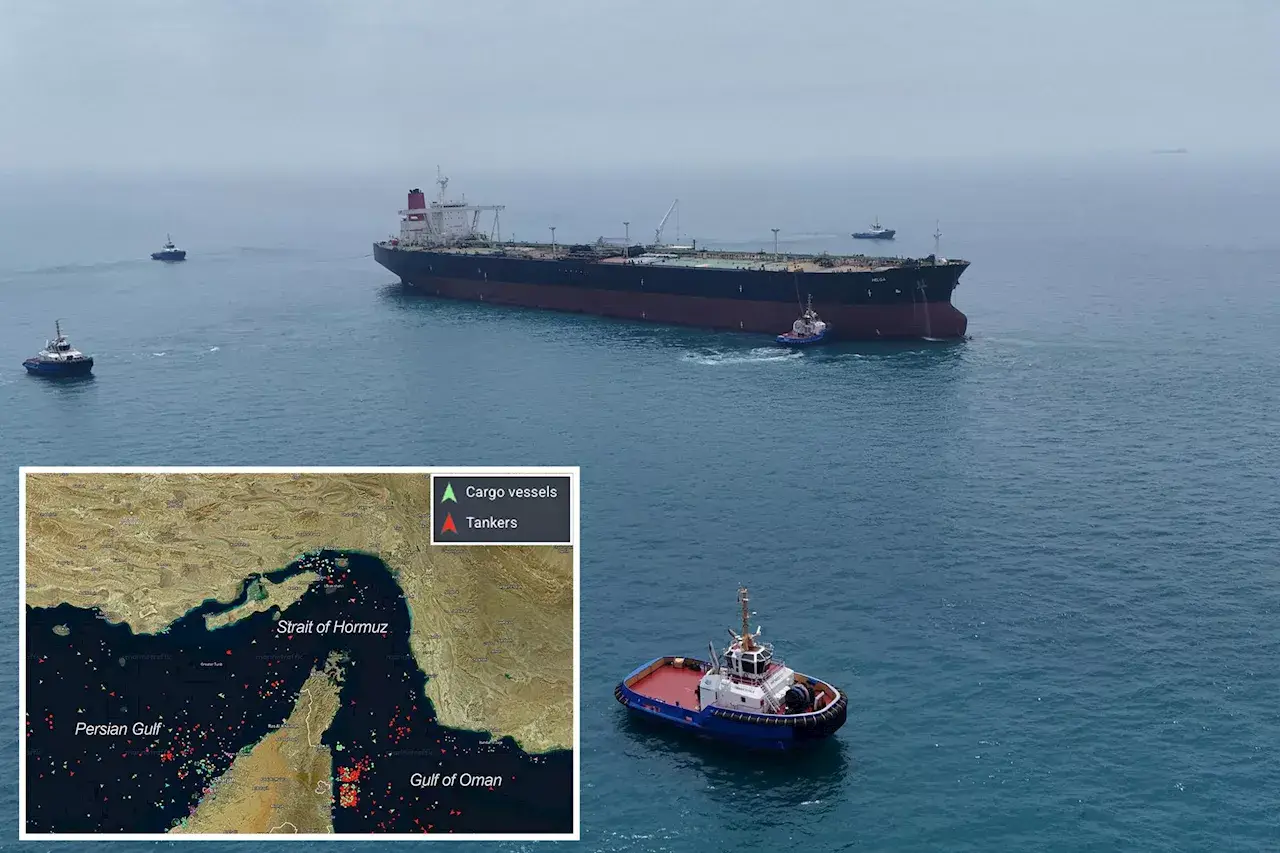
The government of Oman is advancing a proposal to introduce maritime service fees for vessels navigating the strategically vital Strait of Hormuz. According to Foreign Minister Badr al-Busaidi, the initiative aims to collect voluntary contributions from shipping companies to fund critical operational services.
The proposed funds would be directed toward supporting navigational safety, pollution control measures, and emergency response efforts within the waterway. Al-Busaidi stated that the financial model mirrors the operational framework currently utilized in the Strait of Malacca and Singapore, where similar service fees are collected to maintain maritime infrastructure and safety standards.
The proposal represents a significant diplomatic effort by Oman to manage the complex logistics of one of the world's most critical energy chokepoints. By framing the fees as voluntary, Omani officials have sought to present the plan as a cooperative measure rather than a mandatory toll, aiming to secure broad participation from international maritime stakeholders.
Divergence Between Omani and Iranian Positions
Despite Oman’s insistence that the contributions would be optional, a significant rift has emerged regarding the structure of the joint initiative with Iran. Iranian officials have demanded that payments be obligatory, creating a fundamental disagreement over how the scheme should operate.
This divergence highlights differing strategic priorities between the two neighboring states. While Oman advocates for a flexible, voluntary system to encourage compliance and minimize friction with global shipping interests, Tehran’s requirement for mandatory payments suggests a desire for a more rigid control mechanism over the waterway.
The disagreement complicates the implementation of any unified fee collection system. Without alignment on whether contributions are optional or required, the viability of a joint Omani-Iranian administration of the strait remains in question. Both nations share sovereignty over parts of the strait, making their cooperation essential for any regulatory framework to take effect.
International Opposition and Geopolitical Implications
The proposal has drawn heightened opposition from the United States, which has expressed strong resistance to any toll schemes in the region. Former President Donald Trump previously labeled such fees as "unacceptable," signaling a firm stance against financial mechanisms that could be perceived as restricting freedom of navigation.
U.S. opposition adds a layer of complexity to the diplomatic landscape surrounding the strait. The United States maintains a significant military and diplomatic presence in the Persian Gulf, and any attempt to establish new revenue streams through tolls is viewed with skepticism by Washington. This stance aligns with broader U.S. policies aimed at ensuring unimpeded access to global energy supplies.
The Strait of Hormuz serves as a critical conduit for approximately 20% of global oil supplies, making its stability paramount to international markets. However, maritime traffic in the strait has been reduced due to ongoing tensions between the United States and Iran. These tensions have heightened scrutiny on any new initiatives that could be interpreted as altering the status quo or introducing new financial burdens on commercial shipping.
Future Viability Depends on Diplomatic Negotiations
The future of Oman’s fee proposal hinges on its ability to navigate these conflicting pressures. The plan’s viability depends heavily on U.S. acceptance, which remains uncertain given the historical opposition to tolls in the region.
Oman must now engage in ongoing diplomatic discussions to reconcile the voluntary model it supports with Iran’s demand for obligatory payments. Additionally, the government must address concerns from international partners, particularly the United States, who may view any fee structure as a potential threat to free navigation rights.
As diplomatic channels remain open, the outcome of these negotiations will determine whether the Strait of Hormuz adopts a new financial framework or retains its current status as a toll-free international waterway. The resolution of this issue will have lasting implications for maritime commerce and regional security dynamics in the Persian Gulf.