


AI-Driven Misinformation as a Global Threat
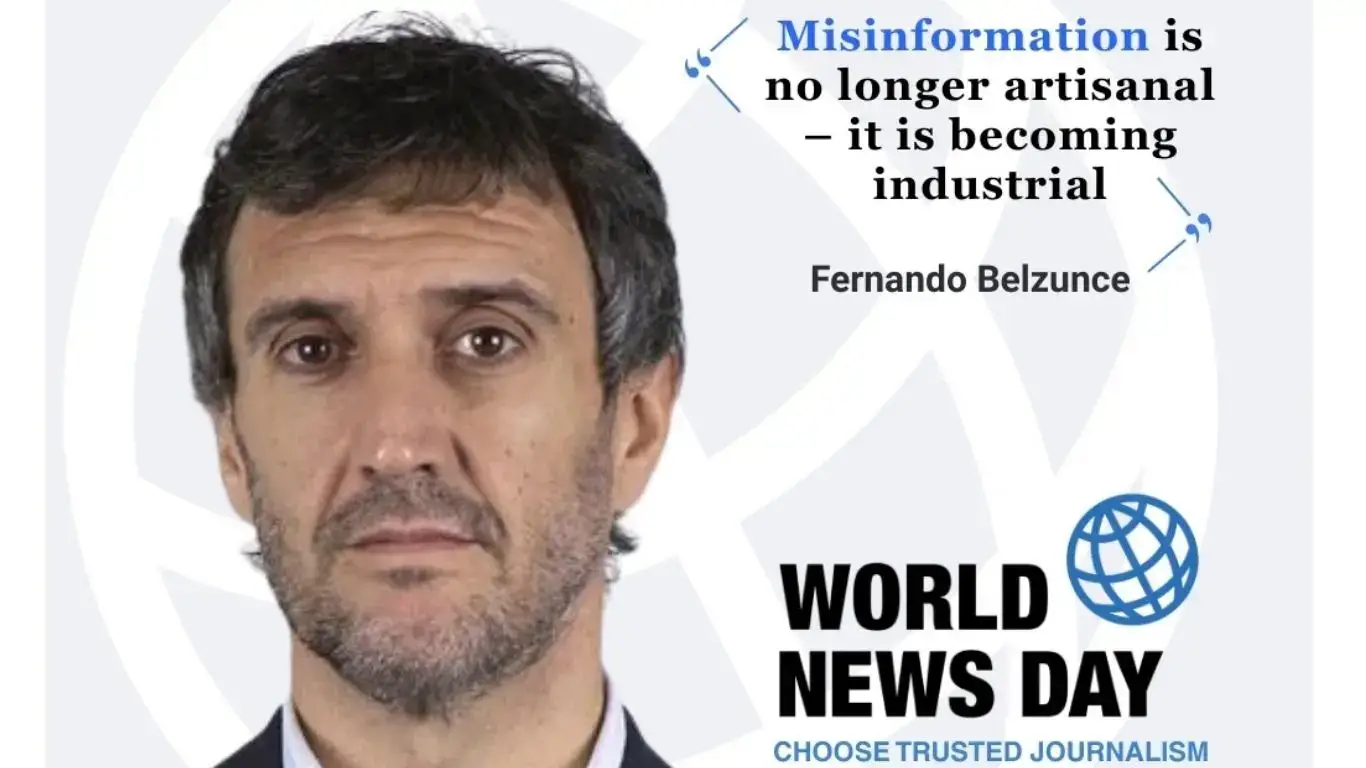
An opinion piece published Tuesday in the Fiji Sun argues that truth no longer matters as much in public discourse and calls for efforts to make it matter again. The article, titled "Opinion: We must make truth matter again," was written by contributor Fernando Belzunce and published on September 29, 2026.
Belzunce cites the World Economic Forum’s Global Risks Report, which places artificial intelligence-driven misinformation among the most severe short-term threats to global stability. The author notes that while AI is often discussed in informal chats regarding its tricks and achievements with tools like ChatGPT, Claude, or Gemini, there is strikingly little reflection on its impact on misinformation.
The article describes this lack of reflection as an "alarming symptom" and a sign that truth has ceased to be a priority. Belzunce states that misinformation has moved beyond being a system malfunction to become part of the logic of information systems themselves.
The Industrialization of False Content
The opinion piece asserts that artificial intelligence allows for the production of fake images, videos, audio, and texts at a speed, cost, and scale previously unimaginable. This shift has transformed misinformation from an artisanal process into an industrial one.
Multinational technology companies have changed content distribution rules, altering the relationship between relevance and visibility. According to the article, these changes have diminished the media's former preeminence in deciding what was relevant and providing context for the public.
Journalist Experiences with Digital Abuse
To illustrate the severity of the challenge, the author references Philippine Nobel Peace Laureate Maria Ressa. Ressa anticipated that future misinformation would make recent avalanches of false content look like "child’s play." The article notes that Ressa showed attacks received on social media, including insults, humiliations, and sexual photomontages signed by supposed anonymous users.
The International Center for Journalists (ICFJ) put the number of messages Ressa received at over 500,000. This figure is cited to demonstrate the scale of harassment faced by journalists defending factual integrity.
Diagnosing the Crisis in Journalism
The author states that they held long conversations with approximately 140 journalists from different countries, including Ressa, to analyze the transformation of journalism. The piece reports a common diagnosis among these professionals: the profession's great challenge is making truth matter because it no longer prevails by itself.
Belzunce concludes that as algorithms reward attention over accuracy, journalists face growing pressure to defend facts, context, and public trust. The article suggests that restoring factual integrity requires recognizing misinformation not as a glitch, but as a structural feature of the current information environment.