

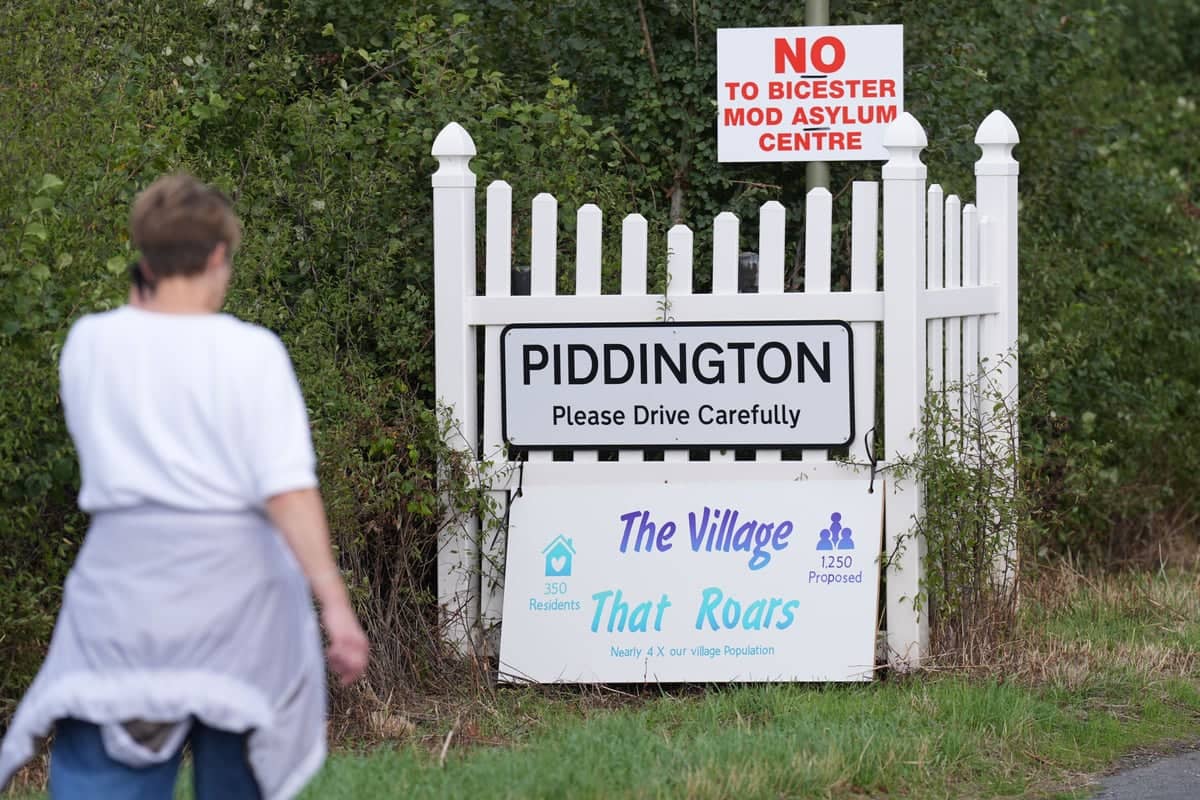

Piddington Residents Organize Symbolic Independence Vote
Villagers in Piddington, Oxfordshire, are holding a symbolic independence referendum to protest plans by the UK government to house more than 1,000 migrants at a former military base located near their community. The proposal involves accommodating 1,256 male asylum seekers at the disused site, a move that has sparked anger and fear among many village residents.
The referendum is described as symbolic in nature, serving as a mechanism for local opposition to the government's accommodation strategy. According to reports, the plan has generated significant concern within the village regarding the influx of asylum seekers into the area. Residents are utilizing this vote to express their dissent against the specific allocation of the ex-military facility for this purpose.
The site in question is a disused military base situated near Piddington. The government's intention to utilize this location has been met with resistance from the local population, who view the presence of over 1,000 individuals as a substantial change to their locality. The referendum allows villagers to formally register their objection to the scheme through a localized voting process.
Government Defense of Site Selection
Senior minister Jonathan Reynolds has defended the proposal to use the military base for housing asylum seekers. Reynolds acknowledged that "none of this is pleasant" but argued that the disused military site is more suitable than alternative options currently available, such as hotels.
In response to criticisms regarding the location, Reynolds stated that there are "no imaginary place these people can go," indicating a lack of other viable accommodation options for the asylum seekers. The Business Secretary emphasized the practical necessity of using the base, suggesting that it offers a more appropriate solution than temporary hotel accommodations which have been used in previous phases of migrant processing.
Reynolds' comments reflect the government's position that the military site is a necessary component of the current accommodation strategy. The minister's defense focuses on the comparative suitability of the base against other available infrastructure, rather than addressing the specific concerns raised by the local community regarding the scale of the operation.
Specifics of the Accommodation Proposal
The core of the controversy lies in the number and gender of the individuals intended for the site. The proposal specifies that 1,256 male asylum seekers would be moved into the ex-military base. This figure represents a significant concentration of people in a single location, which has contributed to the local reaction.
Local residents have expressed fear and anger regarding the plan. The presence of such a large number of asylum seekers in a former military installation has become the focal point of local political activity. The referendum serves as a direct response to this specific proposal, with villagers seeking to highlight their opposition to the government's handling of asylum accommodation.
Local Reaction and Political Implications
The anger and fear among Piddington residents have manifested in the organization of the independence referendum. This action underscores the tension between national government policy on asylum processing and local community acceptance. The villagers' decision to hold a vote is a direct challenge to the implementation of the plan at the Piddington site.
While the government maintains that the military base is the most suitable option due to the lack of other available locations, the local response indicates a disconnect between ministerial assurances and community sentiment. The referendum does not have legal binding power over national immigration policy but serves as a political statement from the residents of Piddington.
The situation highlights the ongoing debate over where asylum seekers should be housed in the UK. With ministers citing a shortage of alternative sites, the use of former military installations has become a point of contention in various regions. In Piddington, this has resulted in a coordinated local effort to protest the specific allocation of their nearby base.
Jonathan Reynolds' defense of the plan rests on the assertion that hotels are less suitable than the military site. However, the local response suggests that suitability is not solely determined by infrastructure comparisons but also by community impact and consent. The referendum in Piddington provides a platform for residents to voice their dissatisfaction with the government's decision-making process regarding the use of public land for migrant housing.
The proposal to house 1,256 male asylum seekers at the ex-military base remains under active discussion as villagers proceed with their symbolic vote. The outcome of the referendum will likely serve as a metric for local opposition, even though the final decision on accommodation sites rests with the government. Reynolds' statement that there are no other available locations continues to be the primary justification for the plan amidst the local protest.