


Democratic Oversight Targets Administration Ties to Pakistan
The Democratic Party has assumed control of both chambers of Congress following the 2026 US midterm elections, initiating a significant shift in domestic oversight and foreign policy scrutiny. Incoming Democratic leaders have deployed sweeping subpoena and committee powers to investigate what they characterize as "tentacles of corruption" and systemic self-enrichment within the Trump administration.
According to reports from The Frontier Post, these aggressive inquiries are spearheaded by incoming House Oversight Chairman Robert Garcia and Senate Finance Chair Ron Wyden. The investigative strategy focuses heavily on connecting political corruption with economic anxieties by demanding internal documents and testimonies from private firms, technology executives, and major donors.
A prominent focal point of these investigations is the Trump family’s overlapping private business ventures and diplomatic pivots, specifically commercial dealings with Pakistan. Congress is targeting private entities, foreign investments, and cryptocurrency platforms tied to the administration in an effort to bypass executive privilege defenses that might otherwise shield information from legislative review.
The probes aim to uncover potential "quid pro quo" arrangements involving administrative patronage, tariff exemptions, and lucrative government contracts granted to political donors. Critics and opposition lawmakers have alleged a transactional undercurrent to the administration's recent realignment of foreign policy, questioning whether strategic concessions to Islamabad were influenced by the financial interests of the first family.
Policy Shift Favors Pakistani Imports Over Indian Goods
The current diplomatic landscape is defined by a sharp departure from previous US strategies. The Trump administration enacted a policy pivot favoring Pakistan, breaking with decades-long bipartisan strategy that prioritized India as a counterweight to China.
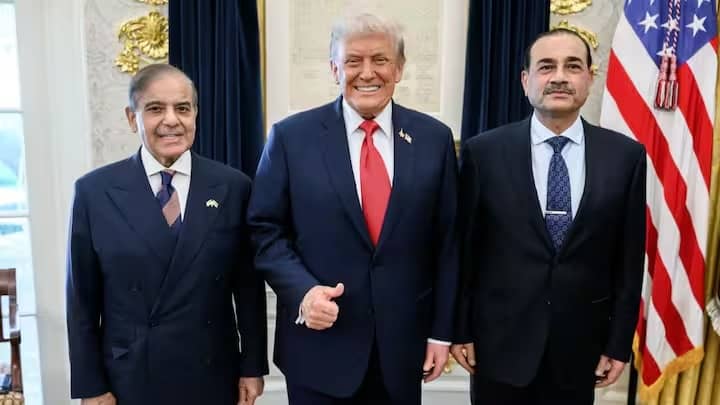
As part of this realignment, the administration imposed steep tariffs ranging from 25 percent to 50 percent on Indian goods while simultaneously reducing tariffs for Pakistani imports. This economic differentiation was accompanied by high-level diplomatic engagement with Pakistan’s leadership, including high-profile White House visits by Pakistan’s Chief of Army Staff, General Asim Munir.
Further deepening the commercial ties between the two nations, Pakistan’s Finance Ministry signed a memorandum of understanding to explore using USD1, a dollar-pegged stablecoin issued by World Liberty Financial. This financial agreement represents a concrete step in the economic integration that has drawn scrutiny from US lawmakers.
Islamabad Faces Uncertainty Amidst Washington Probes
The launch of these congressional inquiries has created uncertainty for Pakistani officials who had benefited from the previous administration’s favorable trade and diplomatic posture. The Democratic focus on potential conflicts of interest between private business ventures and state policy threatens to unravel the transactional diplomacy that characterized recent US-Pakistan relations.
By targeting the financial mechanisms underlying the administration's foreign policy decisions, incoming Democratic leaders are signaling a rigorous examination of how political donations may have shaped tariff structures and diplomatic engagements. The outcome of these investigations could redefine the economic relationship between Washington and Islamabad in the coming years.