

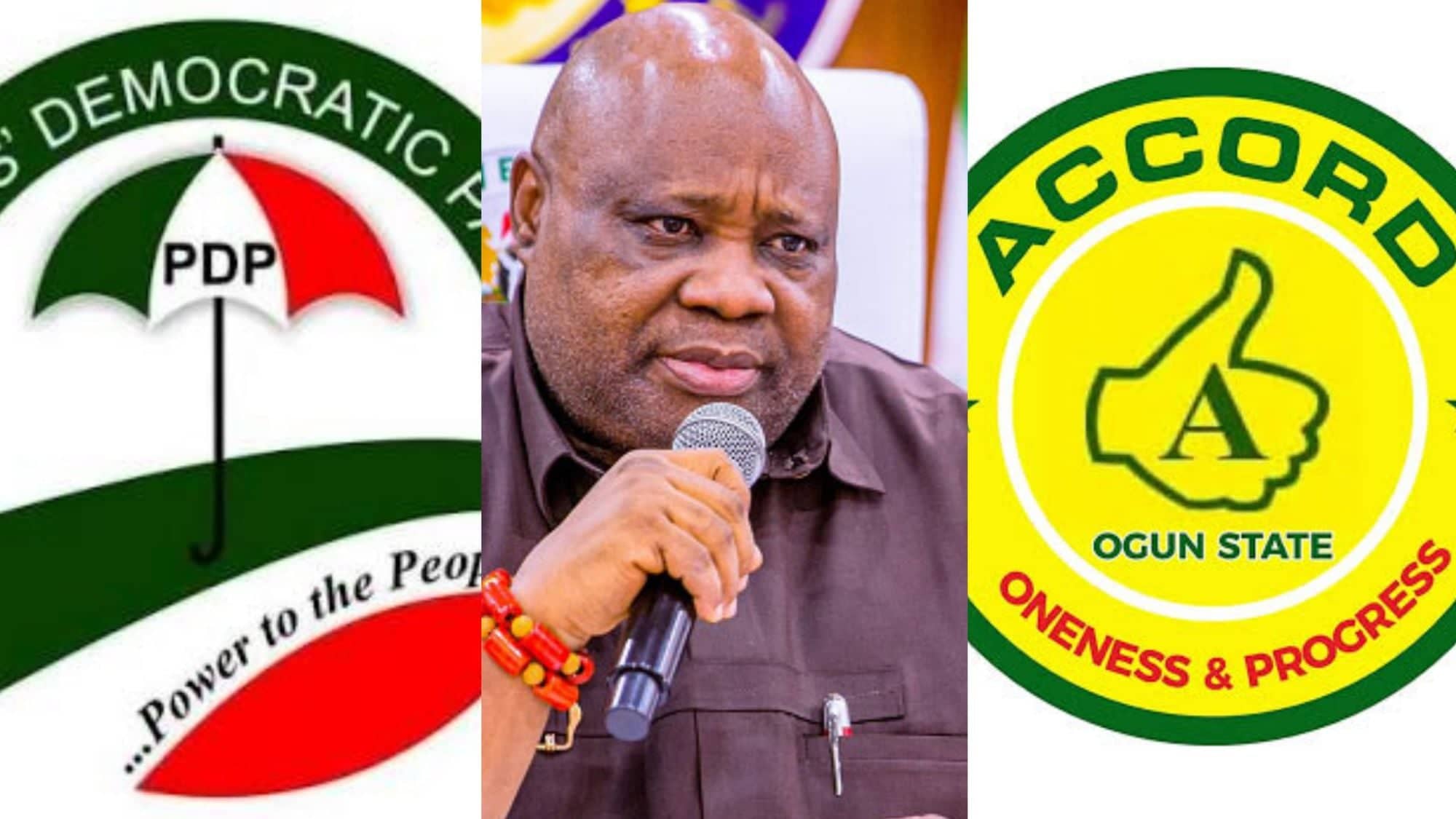

PDP Ends Osun State Electoral Pact
The Peoples Democratic Party (PDP) has officially clarified that its electoral collaboration with the Accord Party in Osun State has concluded. This significant declaration follows the successful conclusion of the recent governorship election held in the state. The PDP has now indicated a definitive shift in its strategic focus, moving towards mobilizing and campaigning exclusively for its own candidates in preparation for the upcoming 2027 general elections.
This clarification was issued to precisely delineate the scope and duration of the political agreement that had existed between the two parties. The PDP emphasized that the partnership was strictly limited to a specific electoral event and was never intended to extend beyond that timeframe. This distinction is paramount as the party begins to re-organize and consolidate its structure for future national contests, aiming to avoid any ambiguity regarding its alliances and independent operational path.
Details of the August 15 Governorship Support
Diran Odeyemi, the PDP National Treasurer, provided comprehensive details regarding the nature and limitations of the previous alliance. According to Odeyemi, the agreement between the PDP and the Accord Party was meticulously designed and executed specifically for the governorship election that took place on August 15. The official statement explaining this crucial limitation was formally signed by Senator Olubiyi Fadeyi, lending institutional weight to the party's position.
Odeyemi further disclosed that during the August 15 poll, the PDP extensively utilized its well-established political structure and grassroots machinery to actively support the re-election bid of Governor Ademola Adeleke. It is important to note that Governor Adeleke ran on the platform of the Accord Party during this specific contest. The deployment of PDP resources, including its extensive network of members, volunteers, and campaign infrastructure, was intended solely to facilitate this particular electoral outcome within the precise framework of the temporary pact. This strategic support demonstrated the PDP's commitment to the agreed-upon objective for that singular election.
The confirmation of the agreement's expiration arrives at a time when political activities across Nigeria are steadily intensifying. With the Osun State governorship race now firmly concluded, the PDP has proactively moved to define its independent operational path for the next cycle of national elections. The party unequivocally emphasized that the mechanisms and resources used to support Governor Adeleke were part of a time-bound, closed arrangement that no longer applies to its broader political strategy.
Strategic Shift Towards Independent 2027 Campaigns
Following the formal termination of the Osun State pact, the PDP has expressed its unwavering readiness to independently mobilize and campaign for its own candidates across all levels of government. This strategic shift marks a significant adjustment in the party's approach to the highly anticipated 2027 general elections. The renewed focus is now squarely on building robust support for individuals who will be running under the distinct PDP banner, rather than through allied or collaborative platforms.
The party's announcement highlights a definitive return to independent campaigning strategies, underscoring its commitment to strengthening its brand and internal structures. By clearly clarifying the end of the Accord Party collaboration, the PDP aims to establish unambiguous boundaries for its future political engagements. This strategic move allows the party to thoroughly assess its organizational capacity, consolidate its voter base, and articulate its distinct policy positions without the potential constraints or complexities inherent in previous temporary alliances.
Defining Party Boundaries for Future Engagements
Political observers and analysts note that the timing of this clarification is particularly significant. As the 2027 elections steadily approach, political parties across the nation are expected to solidify their internal positions, refine their manifestos, and announce their preferred candidate selections. The PDP's statement serves multiple purposes: it informs its vast network of stakeholders and members about its current stance on partnerships, signals its intent for independent action to rival parties, and sets clear expectations for its future electoral strategy.
The decision to conclude the collaboration does not, however, preclude the possibility of future agreements or tactical alliances. Instead, it establishes a clear precedent for how the PDP intends to approach such arrangements: as limited-duration pacts designed for specific electoral goals. The party's experience in Osun State demonstrates how temporary alliances can be effectively structured and implemented for targeted objectives. The PDP now appears strategically positioned to evaluate potential partnerships on a meticulous, case-by-case basis, ensuring alignment with its broader long-term objectives and party identity.
Navigating the Path to the Next General Elections
As the 2027 general elections draw nearer, the Peoples Democratic Party will be tasked with coordinating its extensive efforts across multiple states and various levels of government. The comprehensive mobilization of its own candidates requires extensive logistical planning, meticulous resource allocation, and a unified campaign message. The party's leadership has unequivocally indicated that it is fully prepared to undertake these formidable tasks independently, leveraging its national reach and established political machinery.
The clarification regarding the Accord Party pact effectively removes any lingering ambiguity about the PDP's current political alignments and strategic direction. It signals a crucial phase of internal consolidation, strategic planning, and robust preparation for the next major electoral cycle. The party's actions and the clarity it has provided regarding its Osun State collaboration will likely serve as an important reference point for how it manages any potential future collaborations or chooses to operate autonomously in the dynamic Nigerian political landscape.
Lessons from the Osun Governorship Alliance
The temporary alliance in Osun State, which saw the PDP's substantial support for Governor Ademola Adeleke on the Accord Party platform, offers valuable insights into the tactical flexibility employed by major political actors in Nigeria. This specific arrangement underscores the pragmatic approach parties sometimes adopt to achieve immediate electoral success, even if it means temporarily setting aside traditional rivalries or party lines. By explicitly defining the end of this pact, the PDP reinforces its commitment to its own brand and long-term vision, demonstrating that such collaborations are strategic tools, not permanent mergers.
This move allows the PDP to focus entirely on its internal strengthening, candidate development, and direct engagement with the electorate under its own banner. The experience in Osun provides a template for how the party can engage in targeted, time-bound agreements without compromising its independent identity or its broader objectives for national leadership. The emphasis is now firmly on building an unassailable platform for its own candidates, ensuring that the PDP's message and agenda are clearly communicated to the Nigerian populace ahead of the crucial 2027 polls.