

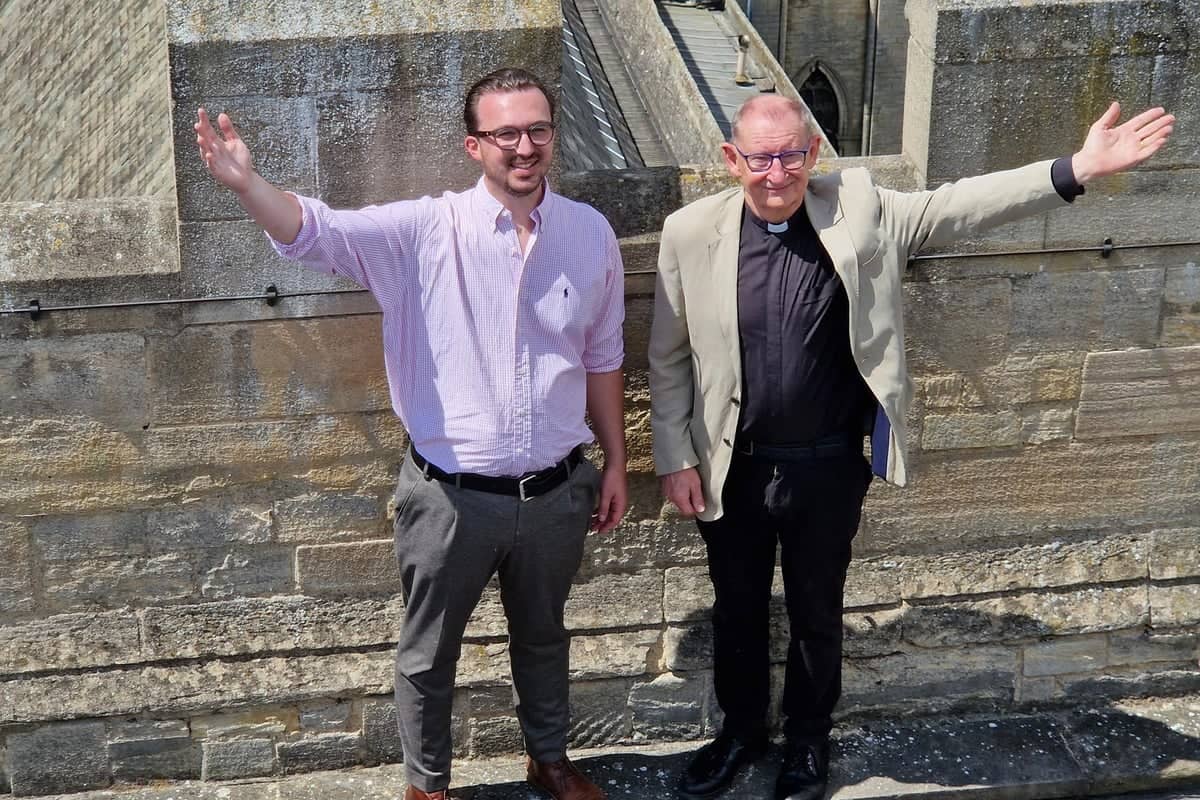


Leadership Vows Against Project Failure
The leader of Peterborough Cathedral has publicly declared that failure is not an option in the ongoing effort to secure necessary funding for structural repairs. This statement comes as financial projections indicate the total cost required to address maintenance needs could reach £10 million over a ten-year period.
According to Paul Grinnell, Chief Journalist at Peterborough Telegraph, the cathedral is currently engaged in what has been described as a long and expensive battle against the effects of time. The organization must raise significant capital to stem the tide of deterioration affecting the historic structure.
The financial outlook for these repairs remains uncertain despite the leadership's firm stance on completion. Costs are forecasted to hit £10 million, a figure that encompasses all necessary work required over the next decade. This projection represents a substantial increase in expenditure compared to previous estimates, reflecting the severity of the condition currently facing the building.
The cathedral faces these challenges while serving thousands of worshippers and visitors who view its imposing walls as a testament to faith spanning centuries. However, behind this public perception lies a complex reality regarding structural integrity that requires immediate financial intervention from various sources including donors, grants, and potentially other funding mechanisms not yet fully detailed in current reports.
Environmental Factors Driving Structural Deterioration
The primary drivers for the escalating repair costs are attributed to two main factors: the passage of time affecting a 900-year-old building and the impact of changing climate conditions. Weather-related repairs are mounting at an increasing rate, creating pressure on available resources.
Specific environmental elements identified as taking their toll on the cathedral include rain, frost, wind, and sun exposure over extended periods. These natural forces interact with the ancient materials used in construction to accelerate decay processes that were not anticipated during the original design phase of the structure built nearly a millennium ago.
- Rain contributes moisture infiltration into stone masonry
- Frost causes expansion and contraction cycles damaging mortar joints
- Wind exerts physical stress on spires and roof structures
- Sun exposure leads to thermal cracking in historic materials
The combination of these factors creates a compounding effect where damage from one element exacerbates vulnerability to others. For instance, moisture penetration weakens stone surfaces making them more susceptible to frost damage during winter months while solar radiation accelerates chemical weathering processes.
Historical Context and Current Challenges
The cathedral stands as a 900-year-old structure whose original construction methods relied on materials available at the time of its building. These ancient techniques, while impressive by historical standards, do not always align with modern expectations for longevity without significant maintenance intervention.
Over nine centuries, successive generations have maintained the building through various campaigns and donations. However, contemporary environmental pressures differ significantly from those experienced during earlier periods when climate patterns were more stable relative to current conditions.
The changing nature of weather extremes presents unique challenges compared to historical precedents for cathedral maintenance. Increased frequency of severe storms combined with prolonged dry spells followed by heavy rainfall creates unpredictable stress cycles that traditional conservation strategies may not adequately address without substantial investment in adaptive measures.
Financial Implications and Public Perception
The projected £10 million cost over ten years represents a significant financial commitment for the cathedral trust. This amount will need to be raised through multiple channels including public donations, charitable grants, government heritage funding where applicable, and potentially commercial partnerships with organizations interested in supporting cultural preservation efforts.
For worshippers and visitors alike, the imposing walls of Peterborough Cathedral serve as a visible symbol of enduring faith throughout centuries. Maintaining this physical manifestation requires balancing respect for historical authenticity with practical necessity to prevent structural collapse or irreversible damage from environmental exposure.
The leadership's assertion that failure is not an option reflects recognition of both spiritual significance and architectural importance attached to the site. Preserving such heritage structures involves complex decisions about resource allocation, prioritization of repairs based on urgency versus long-term preservation goals, and engagement with broader community interests in maintaining accessible places of worship.
No specific timeline has been provided for when fundraising efforts will commence or what initial phases of work are planned beyond the general statement regarding decade-long requirements. Details about potential donor campaigns, grant applications being pursued, or negotiations with heritage organizations remain unspecified at this stage according to available reporting from Peterborough Telegraph published on July 2nd.
The situation underscores broader issues facing historic buildings across regions where aging infrastructure meets contemporary environmental challenges without guaranteed funding streams matching projected expenditure needs. Each case requires tailored approaches considering local resources and community capacity while addressing universal concerns about preserving cultural heritage for future generations.