

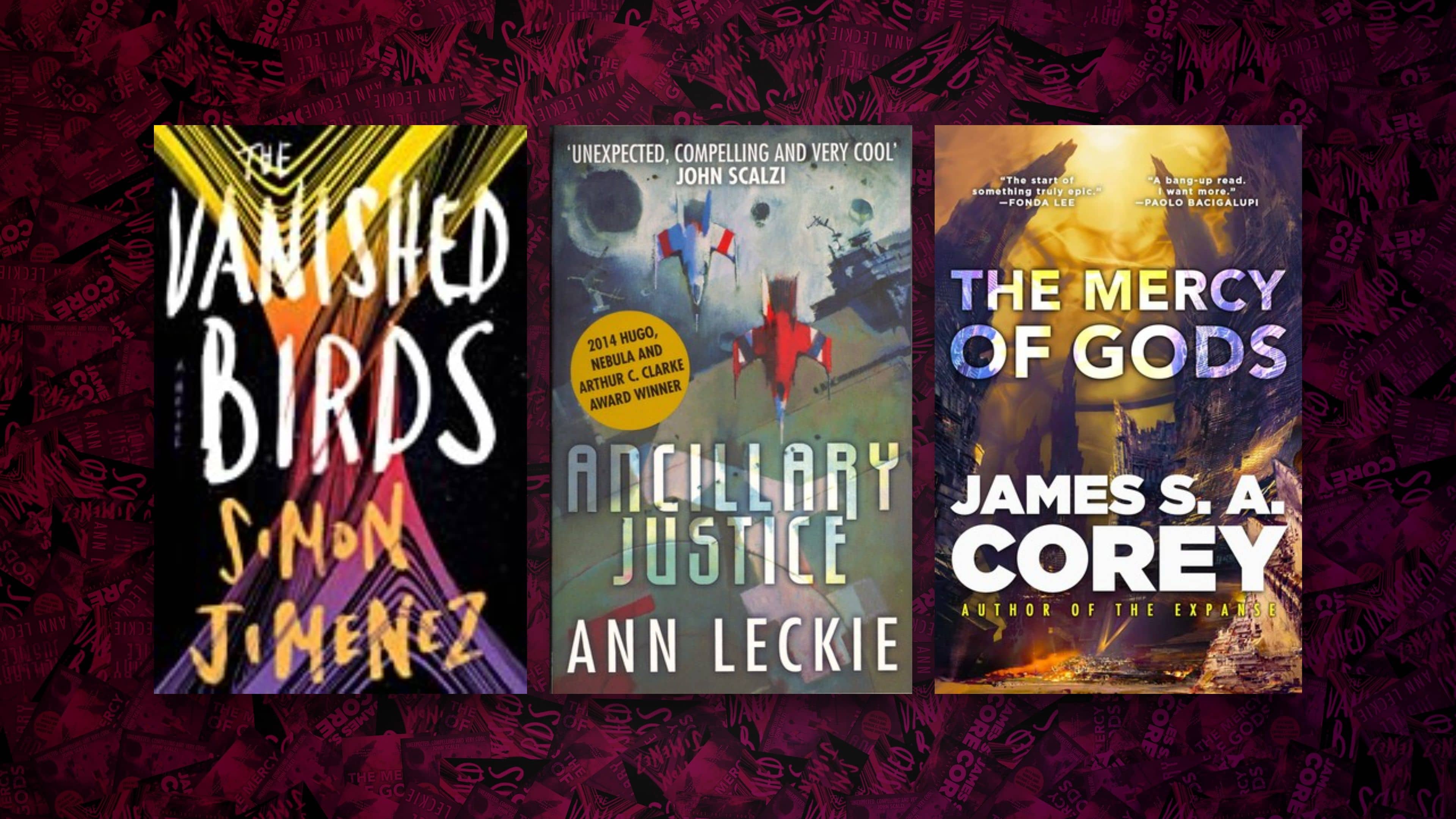

Polygon Identifies Key Elements of the Space Opera Genre
Defining the Genre: Epic Scope and Thematic Depth
Sam Nelson, a writer for Polygon, published an article on August 8, 2026, titled "10 Near-Perfect New Sci-fi Books for Star Wars and Dune Fans." The piece serves as a comprehensive guide, outlining recommendations for science fiction literature that align closely with the characteristics of the space opera subgenre. According to the publication, this genre is fundamentally defined by its sprawling, epic stories that unfold across multiple planets and star systems, often involving vast galactic empires and intricate political landscapes.
The space opera genre, as detailed in Nelson's article, is characterized by several key elements beyond its multi-planetary scope. These include dramatic space battles, encounters with diverse alien species, and complex galactic intrigue. The narratives frequently center on significant struggles against powerful empires, echoing themes found in many beloved science fiction sagas. Furthermore, the genre often distinguishes itself by its unique ability to blend advanced scientific concepts with elements that can feel akin to magic, creating rich, imaginative universes where technology and mysticism sometimes intertwine.
The Polygon report emphasizes that these stories are crafted to offer high-stakes action and profound intrigue, designed specifically to deeply engage readers. This focus on grand scale, intricate plots, and compelling conflicts is what draws many fans to the genre, seeking narratives that transport them to richly imagined futures and distant galaxies.
Connecting with Established Sci-Fi Universes
The Appeal for Star Wars and Dune Enthusiasts
Nelson's article explicitly targets fans of two of the most iconic science fiction franchises: Frank Herbert’s "Dune" series and the "Star Wars" saga. These works are highlighted as prime, universally recognized examples of space opera, embodying the genre's core tenets of epic scope, galactic politics, and profound thematic depth. For readers who have been captivated by the struggles within the Galactic Empire or the intricate political and ecological battles on Arrakis, the recommended books offer similar experiences of vast worlds and compelling narratives.
The article serves as a bridge, guiding readers from their established love for these renowned universes to new literary adventures. It suggests that those who appreciate the blend of high adventure, moral dilemmas, and expansive world-building present in "Star Wars" and "Dune" will find a wealth of similar enjoyment in the curated list of space opera novels. The recommendations are presented as natural extensions for readers seeking fresh stories that resonate with the grandiosity and emotional impact of their favorite franchises.
Classic Foundations of Galactic Storytelling
While the Polygon article focuses on "new" sci-fi books, it also acknowledges the rich history of the space opera genre. Nelson identifies other classic book series that have shaped the genre, including seminal works by acclaimed authors such as Isaac Asimov, Larry Niven, Dan Simmons, and Iain M. Banks. These literary pioneers laid much of the groundwork for the sprawling narratives and complex world-building that characterize modern space opera.
By referencing these foundational authors, the Polygon report subtly places its contemporary recommendations within a broader literary tradition. It suggests that readers seeking new adventures involving dramatic space battles, intricate galactic politics, and encounters with diverse alien civilizations are not just exploring new worlds, but also engaging with an evolving genre built upon decades of imaginative storytelling. This historical context enriches the understanding of what makes a "near-perfect" space opera in the 21st century.
Notable Examples Highlighted in the Recommendations
Modern Space Opera: Blending Genres
The article highlights specific titles as prime examples of the genre's ongoing evolution and its capacity to incorporate diverse stylistic elements. Among these, Peter F. Hamilton’s "Pandora’s Star," published in 2004, is cited as a particularly significant work from the early 21st century. The Polygon report describes this novel as a compelling fusion, combining the expansive scope and epic narrative of traditional space opera with distinct elements of cyberpunk and cosmic horror.
This blending of genres within "Pandora’s Star" showcases how contemporary space opera pushes boundaries, offering readers experiences that are both familiar in their epic scale and fresh in their thematic and atmospheric depth. The inclusion of cyberpunk elements often introduces themes of advanced technology, corporate control, and societal stratification, while cosmic horror can infuse narratives with a sense of vast, incomprehensible threats and existential dread, elevating the stakes beyond conventional galactic conflicts.
The summary provided for "Pandora’s Star" in the article immediately sets a tone of high-stakes intrigue, beginning with an astronomer discovering that two stars appear to have mysteriously disappeared. This intriguing plot point serves as a powerful introduction to a narrative that promises galactic-level mysteries and profound consequences. The publication positions this book, with its innovative blend of subgenres, alongside other recommendations specifically intended for fans of established sci-fi franchises, suggesting it offers a fresh yet resonant experience for those accustomed to grand-scale storytelling.
Guiding Readers Through New Galactic Adventures
Curated Selections for High-Stakes Narratives
Nelson’s article is designed to act as a definitive guide, directing readers toward new series or standalone novels that are replete with the genre's signature elements: intense space battles, fascinating alien encounters, and intricate galactic intrigue. The Polygon list is carefully curated, featuring 10 specific science fiction books that the author considers to be "near-perfect" examples for fans of "Star Wars" and "Dune." These recommendations are presented as prime options for those eager to delve deeper into the space opera genre and discover new literary worlds.
The article establishes clear criteria for inclusion, ensuring that each recommended work fits the expansive space opera mold. This mold is characterized by an epic scale, complex political or military conflicts spanning multiple star systems, and narratives that often involve the fate of entire civilizations. While the article does not provide exhaustive plot summaries for all ten titles, it effectively communicates the essence of each recommendation, framing these selections as current, compelling options for readers interested in high-stakes science fiction narratives that deliver both intellectual stimulation and thrilling adventure.
Genre Evolution and Reader Guidance
The Polygon publication underscores that the space opera genre is far from static; it continues to evolve dynamically. Modern entries, as exemplified by the recommended titles, are increasingly incorporating diverse stylistic elements, such as the cosmic horror and cyberpunk themes found in "Pandora’s Star." This evolution ensures that the genre remains fresh and relevant, offering new narrative possibilities and engaging contemporary sensibilities.
"Pandora’s Star" is explicitly mentioned as a crucial bridge, connecting traditional space opera tropes with these newer, enriching influences. The article functions as a curated guide, offering titles and brief descriptions to assist readers in making informed choices based on their existing preferences for the epic scope and thematic depth of "Star Wars" and "Dune." Nelson’s piece directs readers to actively seek out narratives promising high-stakes action and profound intrigue when selecting new books in this category, positioning these 10 books as among the best space operas available to read at the time of its August 8, 2026, publication.