

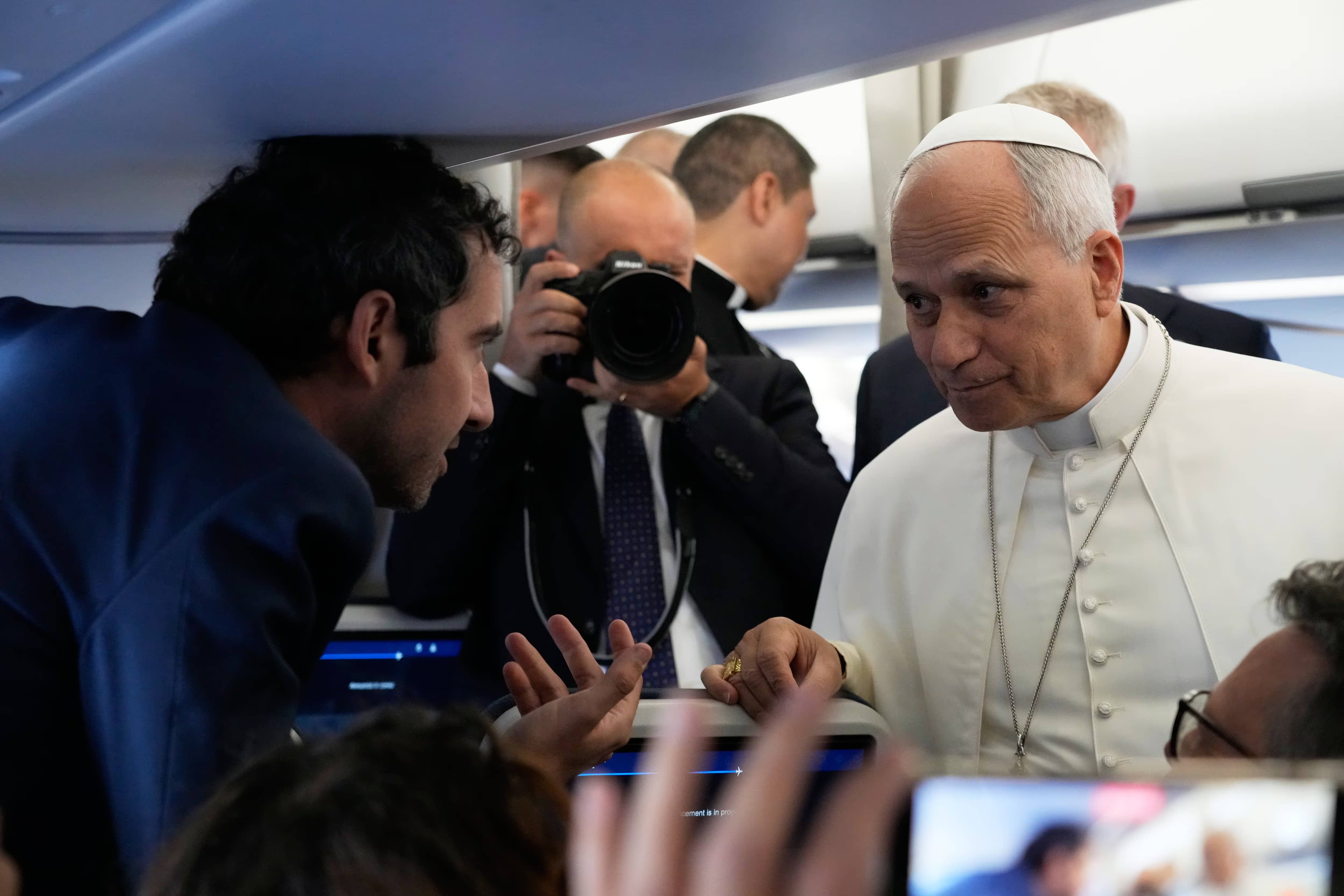

Aboard the Papal Plane to France
Speaking from aboard a papal plane traveling to France on Friday, Sept. 25, 2026, Pope Leo XIV addressed a gathering of journalists with a clear message regarding the role of the press in modern society. The American pope affirmed the importance of media coverage for public figures, emphasizing that such reporting is not merely a privilege but a necessity.
Responding to recent tensions between the U.S. media and the White House, Leo told journalists they were welcome to report on him. "I am very happy that here, you are all welcome," he stated, according to reports from iNFOnews.ca. He went further to emphasize that good media coverage is important and equally necessary "for everyone" and "all the way around." This assertion comes at a time when access to high-profile political events has become increasingly contested.
Context of Access Disputes
The Pope’s comments followed reports that CNN, MS NOW, and Politico were allowed back at the White House on Thursday after a judge issued a reprieve from President Donald Trump’s ban. The situation had escalated during Chinese leader Xi Jinping’s visit to Washington for a state dinner, where no major American network aired live coverage. CNN and MS NOW stated their journalists were denied access to the arrival, highlighting the growing friction between political administrations and the press corps.
While the White House dispute remains a focal point of domestic media criticism, Leo’s remarks also touched upon broader issues of press freedom within his own domain. Independent media have been prevented from covering photo opportunities inside the pope’s private studio when heads of state visit since the COVID-19 pandemic. Additionally, many private audiences remain closed to non-Vatican press, a policy that has drawn scrutiny from those advocating for greater transparency in Vatican operations.
Historical Stance on Press Freedom
The American pope has long affirmed the need for a free and independent press. During his first audiences as pope, he called for the release of imprisoned journalists and affirmed the "precious gift of free speech and the press." This consistent advocacy underscores his belief that an informed public is essential to democratic processes, a principle he applied both to international conflicts and domestic political dynamics.
Geopolitical Tensions and Public Reaction
Leo’s stance on media freedom is intertwined with his broader geopolitical positions. He had previously opposed Trump regarding the Iran war, a stance that drew support from Parisians during his first official state visit by a pope in 18 years. The visit highlighted the intersection of religious diplomacy and political dissent, particularly in European capitals where U.S. foreign policy decisions are closely watched.
Retiree Thierry Marien stated Leo "dared" to oppose the American president because he is opposed to countries where political systems risk becoming dictatorial. This comment reflects a segment of public opinion that views the Pope’s independence from U.S. political pressure as a moral imperative, even when it creates diplomatic friction.
UNESCO Visit and Apologies
Later on Friday, Leo visited UNESCO, the U.N. cultural and educational agency from which the U.S. has withdrawn. During his speech there, he focused on promoting peace through culture and education, themes that resonate with the organization’s mission to foster international collaboration in the face of political division.
On the flight, Leo apologized for missing an opportunity to speak with the press during a previous international trip when his Iberia charter broke down in Spain’s Canary Islands. This personal note served as a reminder of the logistical challenges that often accompany papal travel, even as he continues to navigate complex political landscapes.
The Role of Media in Diplomacy
The Pope’s comments on media access are not isolated incidents but part of a larger narrative about the role of journalism in holding power accountable. Whether addressing the White House or the Vatican, Leo’s message remains consistent: the press must be free to report without fear of retribution or exclusion. This stance is particularly significant given the current climate of political polarization and the increasing use of administrative tools to limit media access.
Looking Ahead
As Pope Leo XIV continues his journey through Europe, his interactions with the press will likely remain a subject of interest. The balance between diplomatic protocol and journalistic freedom is a delicate one, and the Pope’s efforts to uphold the latter may influence future discussions on media rights globally. His visit to France, marked by both political commentary and cultural diplomacy, sets the stage for ongoing debates about the intersection of religion, politics, and press freedom.