


Unexpected Alliances and Shifting Power Dynamics
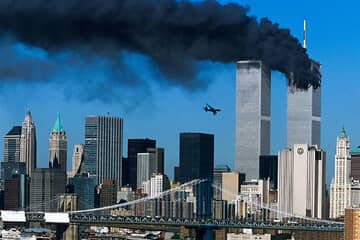
ISLAMABAD, Pakistan - The period following the September 11th attacks is characterized by unexpected shifts in geopolitical alliances and power dynamics. According to Professor Tanveer Haider Naqvi, relief for oppressed populations can sometimes arrive from an unexpected direction, occurring when those who inflict oppression turn against one another. This phenomenon suggests that divine providence can lead to a dramatic change in circumstances in favor of a weak and vulnerable party.
Naqvi argues that when enemies find themselves arrayed against each other, they gradually weaken through their confrontation. As a result of this struggle, the nation that had previously appeared isolated and powerless begins to acquire strength. This shift in power allows the previously weak nation to launch unexpected blows against its adversaries, potentially throwing them into confusion.
The US Wars in Afghanistan and Iraq
Naqvi points to the wars launched by the United States in Afghanistan and Iraq after 9/11 as a remarkable example of this historical phenomenon. The article notes that the Taliban established an extremely harsh and authoritarian system of government in Afghanistan. Simultaneously, Saddam Hussein’s Iraq was noted for being responsible for widespread human rights violations.
The source text links these events to American policy in the Middle East and South Asia over preceding decades, which is mentioned as a contributing factor to the region's instability. The article suggests that the historical pattern of oppressors turning against one another played a role in the geopolitical landscape following the attacks.
Religious and Historical Perspectives
The analysis draws on religious texts to frame the geopolitical events. The Qur’an is cited, stating: “And thus We make some of the wrongdoers allies of others because of what they used to earn.” (Qur’an 6:129). This verse is used to illustrate the concept that extraordinary turns of divine providence can alter the balance of power.
Naqvi suggests that if the history of Iran over the past quarter-century is viewed from this perspective, the US wars in Afghanistan and Iraq emerge as a significant instance of this pattern. The article posits that such events can empower a previously weak nation, enabling it to strike back against its adversaries.
Geopolitical Implications
The article highlights how the confrontation between major powers can inadvertently benefit other nations. When enemies weaken each other through their struggle, the very nation that had appeared isolated and powerless begins to acquire strength. This dynamic is presented as a key factor in the changing geopolitical landscape of the Middle East and South Asia.
The source text does not provide specific details on the immediate military outcomes of these wars but focuses on the broader pattern of power shifts. The article implies that the actions taken by the United States in response to 9/11 had far-reaching consequences for regional stability and national strength.
Regional Stability and Human Rights
The harshness of the Taliban’s rule and the human rights violations under Saddam Hussein are cited as context for the region's condition prior to the US interventions. The article suggests that these conditions contributed to the complex web of alliances and conflicts that followed.
Naqvi’s analysis emphasizes the unpredictability of geopolitical shifts. The relief for oppressed groups is described as coming from an almost unseen direction, highlighting the complexity of international relations in the post-9/11 era.
Long-term Effects on International Relations
The article notes that the world can hardly resist mocking the bewildered statements made by adversaries when they are caught off-guard by unexpected developments. This reaction underscores the confusion and disarray that can result from sudden shifts in power dynamics.
The source text does not offer a definitive conclusion on the long-term effects of these events but presents them as a significant example of historical patterns where oppressors inadvertently aid their adversaries. The article leaves the interpretation of these events to the reader, focusing on the factual description of the geopolitical shifts and the religious framework used to analyze them.
Continuing Relevance
The analysis remains relevant to understanding the complexities of international relations in the post-9/11 era. The article suggests that the pattern of unexpected alliances and power shifts continues to influence global politics.
By citing specific historical examples and religious texts, Naqvi provides a unique perspective on the events following 9/11. The article serves as a case study in how geopolitical dynamics can change unexpectedly, often benefiting those who were previously marginalized.