


The Enduring Legacy of Official Dwellings
In Kerala, the official residences of its political leadership are not merely structures of brick and mortar; they are deeply entrenched in the state's administrative and political fabric. These dwellings, characterized by their distinctive architecture, including prominent porticos and often unique design elements, have served as pivotal centers of power and decision-making. Over decades, they have become integral to the narrative of Kerala's governance, shaping its history and influencing the destinies of its people.
These residences symbolize the continuity of state authority and often bear witness to significant political shifts, policy formulations, and crucial discussions that define the state's trajectory. Their physical presence reinforces the institutional nature of governance, embodying the 'officialdom' that underpins the democratic process.
Cliff House: The Chief Minister's Abode
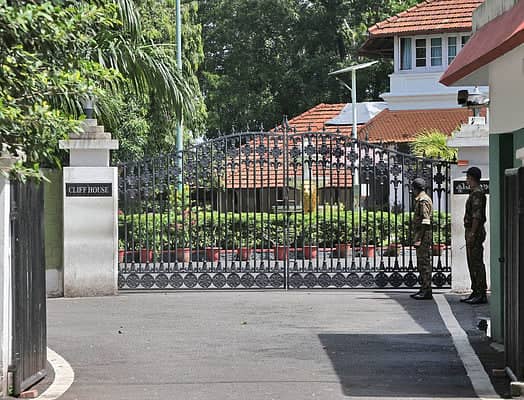
Among the most recognized official residences in Kerala is Cliff House, the designated home of the Chief Minister. Located in Thiruvananthapuram, the state capital, Cliff House has been the nerve center of executive power for successive governments. Its strategic location and historical significance have made it a focal point for political observers and the public alike.
The residence has been the backdrop for countless high-stakes political consultations, cabinet meetings, and policy deliberations. Decisions made within its walls have directly impacted various sectors, from social welfare and economic development to environmental policies and public administration. The history of Cliff House is thus intertwined with the political history of modern Kerala, reflecting the tenures and policies of numerous Chief Ministers.
Raj Bhavan: The Governor's Seat of Authority
Another edifice of significant political weight is Raj Bhavan, the official residence of the Governor of Kerala. As the constitutional head of the state, the Governor plays a crucial role in the state's administration, and Raj Bhavan serves as the primary venue for the Governor's official duties and ceremonial functions. The residence stands as a symbol of the Union's presence in the state and the constitutional framework that governs the relationship between the state and central authorities.
Raj Bhavan has hosted numerous dignitaries, facilitated important constitutional processes such as the promulgation of ordinances, and been the site for the swearing-in ceremonies of Chief Ministers and their cabinets. Its architecture, often reflecting a blend of colonial and regional influences, projects an image of stately authority and historical continuity, reinforcing its role as a key institution in the state's governance.
Other Ministerial Residences and Their Influence
Beyond the Chief Minister and the Governor, other ministers also occupy official residences provided by the state. These residences, while perhaps less prominent than Cliff House or Raj Bhavan, are equally vital hubs of political activity. They serve as venues for departmental meetings, discussions with constituents, interactions with party workers, and informal consultations that often precede formal policy decisions.
These ministerial homes contribute to the intricate network of power centers across the capital. They facilitate the day-to-day functioning of the government, allowing ministers to engage in their administrative and political responsibilities from designated official spaces. The collective presence of these residences underscores the distributed nature of governmental power and the constant engagement required to manage state affairs.
Architecture and Symbolism: Beyond Bricks and Mortar
The architectural characteristics of Kerala's official residences often convey a sense of grandeur and institutional permanence. Features like imposing porticos, expansive lawns, and distinctive design elements contribute to their symbolic weight. These structures frequently incorporate architectural styles that reflect different eras, from colonial influences to adaptations of traditional Kerala architecture, sometimes blending elements in ways that appear unique or 'whimsical' in their specific application.
The design choices, whether intentional or evolving over time, contribute to the 'political myths' surrounding these buildings. They are not just functional spaces but also visual representations of state power, stability, and the historical legacy of governance. The enduring physical presence of these buildings helps to solidify the narratives of political continuity and the institutional strength of the state.
Shaping History and Political Narratives
The official residences in Kerala have been more than just places of dwelling; they have been active participants in the state's political evolution. Major policy shifts, responses to crises, and the formation and dissolution of governments have often been deliberated and decided within their confines. These events, over time, contribute to the 'political myths' – the collective stories, public perceptions, and historical accounts that define Kerala's political landscape.
These myths are not necessarily untrue but represent the narratives that emerge around centers of power, influencing public memory and political culture. The residences become imbued with the legacies of their occupants and the significant events that transpired there, thereby shaping the historical consciousness and political identity of the state.