


Referendum Results and Cantonal Outcomes
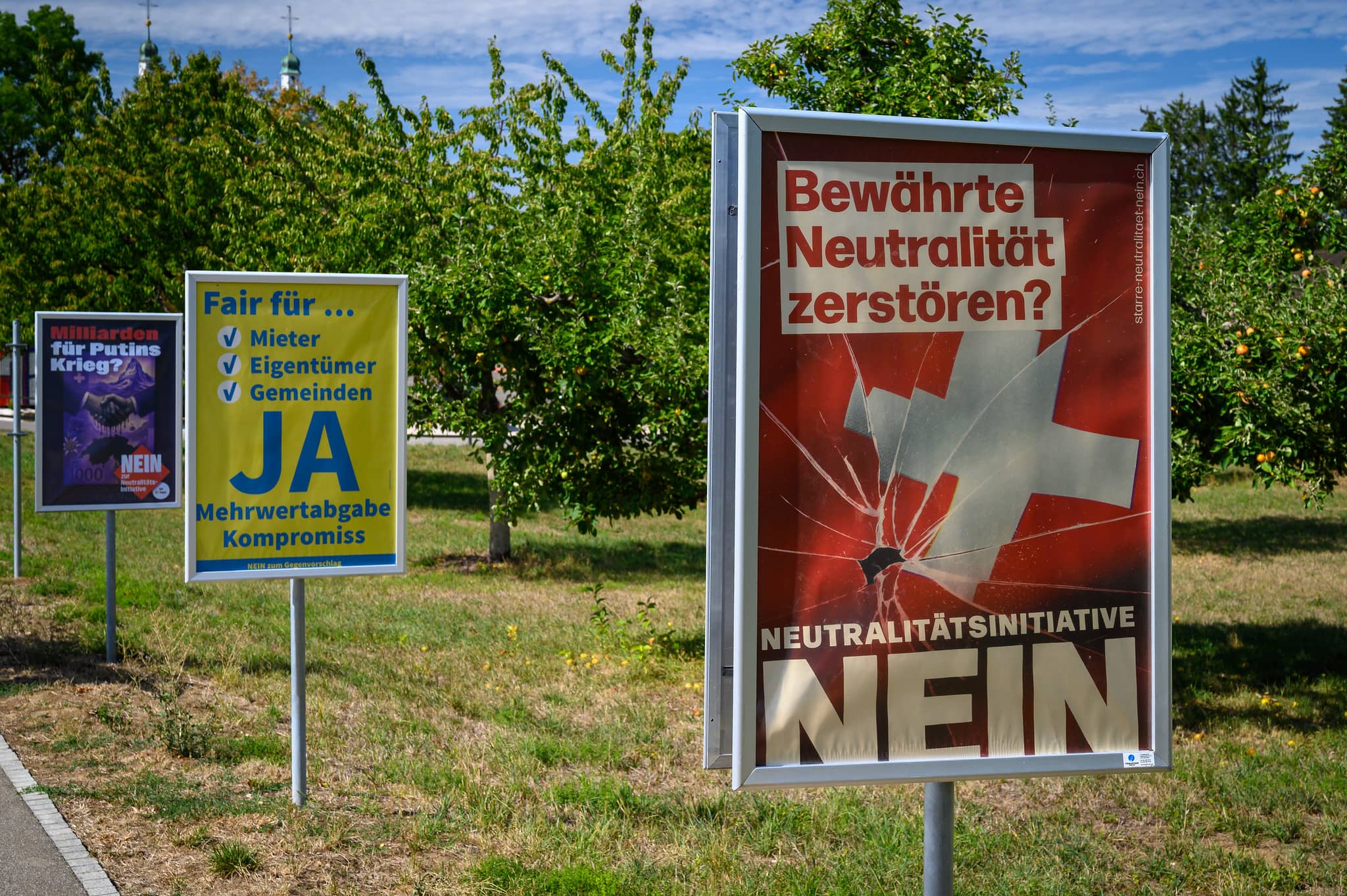
Swiss voters have rejected a proposal by right-wing forces to introduce stricter neutrality rules that would have prevented the country from imposing economic sanctions or cooperating with NATO, according to reports citing Reuters. All Swiss cantons voted against the measure, as did approximately 70% of referendum participants.
The rejection marks a decisive outcome in a campaign that featured posters across the country displaying white peace doves and the slogans “No to war, yes to neutrality!”
Government and Political Reactions
Foreign Minister Ignazio Cassis addressed the results at a press conference following the announcement. He stated that the outcome did not constitute a vote against neutrality, asserting that Switzerland has been, is, and will remain neutral.
Cassis explained that maintaining the current stance allows Switzerland to decide on sanctions on a case-by-case basis. He emphasized that the country can cooperate with partners to strengthen national security, noting that this security depends on the collective security of its neighbors and Europe.
The government has indicated that while Swiss neutrality has been internationally recognized since the end of the Napoleonic Wars in 1815, it currently lacks a clear definition. With the exception of the Swiss People’s Party (SVP), the majority of the country’s political parties and the government opposed the proposal.
Following the vote, the Green Party, the Social Democrats, The Centre, and the FDP expressed relief at the outcome. Green Party MP Sibel Arslan remarked that voters understood the SVP’s aim was for Switzerland to isolate itself and avoid taking responsibility when international law is trampled upon.
In a statement, the FDP noted that the decision was crucial for an armed yet neutral Switzerland that retains its capacity to act.
SVP Concession and Future Stance
The SVP conceded defeat, noting that the party currently has no plans for further action on the matter. SVP MP Lukas Reinmann said that while he was naturally unhappy with the result, he found the determination shown by all parties to preserve Swiss neutrality to be encouraging.
Reinmann stated that it is abundantly clear that neutrality is part of Switzerland’s identity and that opponents of the proposal would be judged by how they uphold the commitment to remain neutral. He emphasized that if the government or the proposal’s opponents were to stray from maintaining neutrality—for instance, by imposing stricter sanctions—the party would have to address the issue again.
Arguments for Stricter Rules
The right-wing SVP argued that Switzerland had abandoned its traditional stance after Bern imposed sanctions on Russia following the full-scale invasion of Ukraine. The party contended that these measures deviated from historical norms, prompting their push for a codified definition.
Public Sentiment and Expert Analysis
Before the vote, Fabio Wasserfallen, a professor of European politics at the University of Bern, observed that Swiss voters value neutrality but are satisfied with how the current government applies it. This sentiment aligns with broader public opinion; sources indicate that the Swiss generally support sanctions against Russia due to the war and do not wish for that stance to change.