Full story
Minister Details Interaction With Leadership Regarding Youth Protests
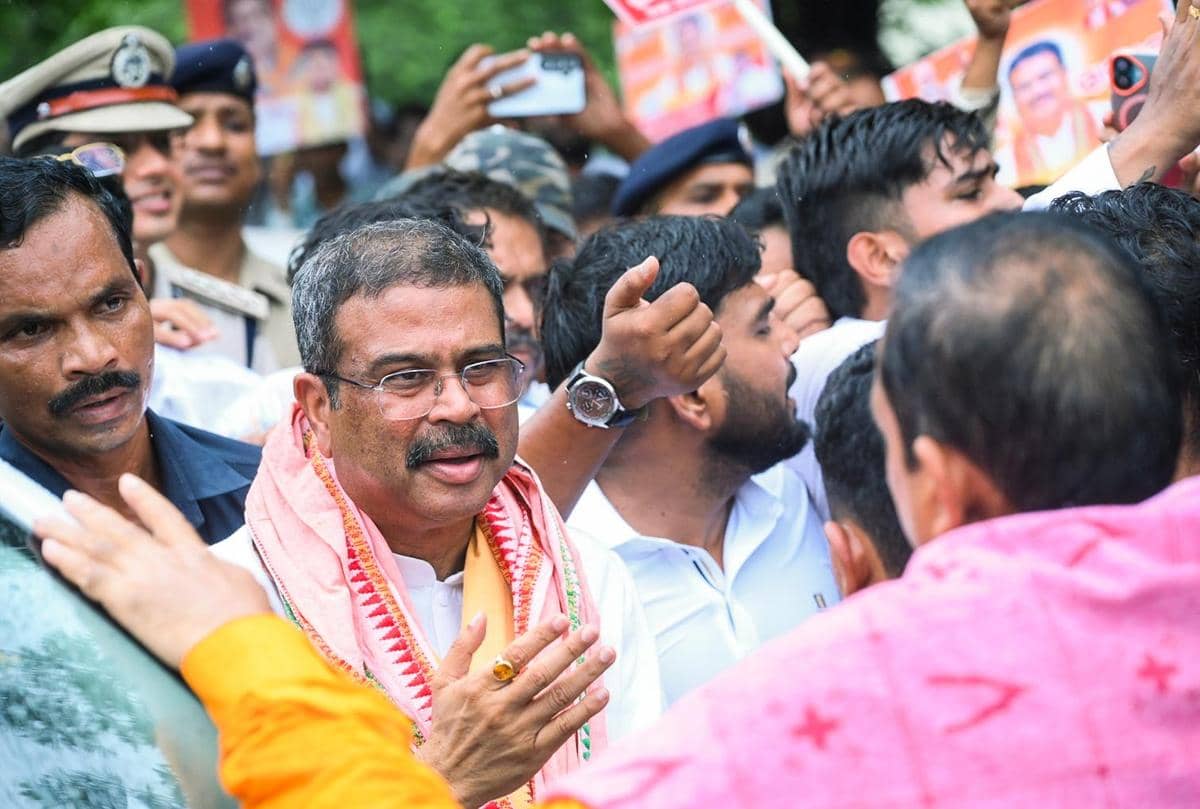
Dharmendra Pradhan, a senior Union Minister, has stated that he sought explicit approval from Prime Minister Narendra Modi to accept the demands put forward by protesters. The minister emphasized that his approach to the situation was driven by a sense of responsibility toward Generation Z and a focus on national interest.
According to reports, Pradhan addressed the issue of youth protests, noting that communication with the highest levels of government was necessary before any commitments could be made regarding the demonstrators' requests. The minister indicated that acknowledging the grievances of young citizens required alignment with the Prime Minister's directives.
Emphasis on National Interest and Generational Responsibility
Pradhan highlighted two primary motivations for his actions: national interest and a specific duty toward Generation Z. He stated that addressing the concerns of this demographic was not merely a political calculation but a matter of broader national concern.
The minister described his interaction with the Prime Minister as part of his official duties to ensure that any response to public demonstrations aligned with government policy. By seeking permission, Pradhan indicated that he viewed the protesters' demands as significant enough to require top-level authorization rather than unilateral action by a cabinet minister.
Context of Youth Demonstrations and Government Response
The statements come amid ongoing discussions regarding youth engagement and political participation in India. Generation Z, typically defined as individuals born between the mid-1990s and early 2010s, has increasingly become a focal point for political discourse due to its size and digital connectivity.
Pradhan’s remarks suggest that the government is monitoring the sentiments of young voters closely. By linking his actions to "national interest," the minister framed the potential acceptance of protester demands as a strategic move rather than a concession to pressure alone.
The minister did not specify the exact nature of the protesters' demands in the available reports, nor did he detail the specific outcome of his conversation with Prime Minister Modi. However, his assertion that he sought approval implies that the government was evaluating whether to accede to the requests or reject them based on broader policy considerations.
Political Implications of Direct Appeal
The fact that a Union Minister publicly stated he needed permission from the Prime Minister to engage with protester demands underscores the centralized nature of decision-making in the current administration. It indicates that even local or sector-specific issues involving youth protests are escalated to the Prime Minister's Office.
Pradhan’s comments reflect a strategy of emphasizing accountability and chain of command. By attributing his actions to a need for approval, he distances himself from any potential criticism that might arise if the demands were rejected or if the engagement was perceived as inappropriate.
The minister’s focus on Generation Z also points to an awareness of the demographic's growing influence in future elections. Addressing their concerns is seen as critical for maintaining political support among younger voters, a group that is increasingly vocal about employment, education, and digital rights.
Government Stance on Public Demonstrations
While Pradhan highlighted his efforts to address the protesters' needs through proper channels, the government’s overall stance on public demonstrations remains firm. The emphasis on seeking permission suggests that any engagement with protesters is conditional and subject to higher approval.
The minister did not indicate whether the Prime Minister granted this permission or what specific steps were taken following the request. His statement serves primarily to clarify his own actions and justify his engagement with the protest movement as being within the bounds of governmental protocol.
By framing the issue through the lens of national interest, Pradhan attempts to present the government’s response as rational and calculated rather than reactive. This narrative is intended to reassure the public that decisions regarding youth protests are made with careful consideration of the country's long-term stability and development goals.