

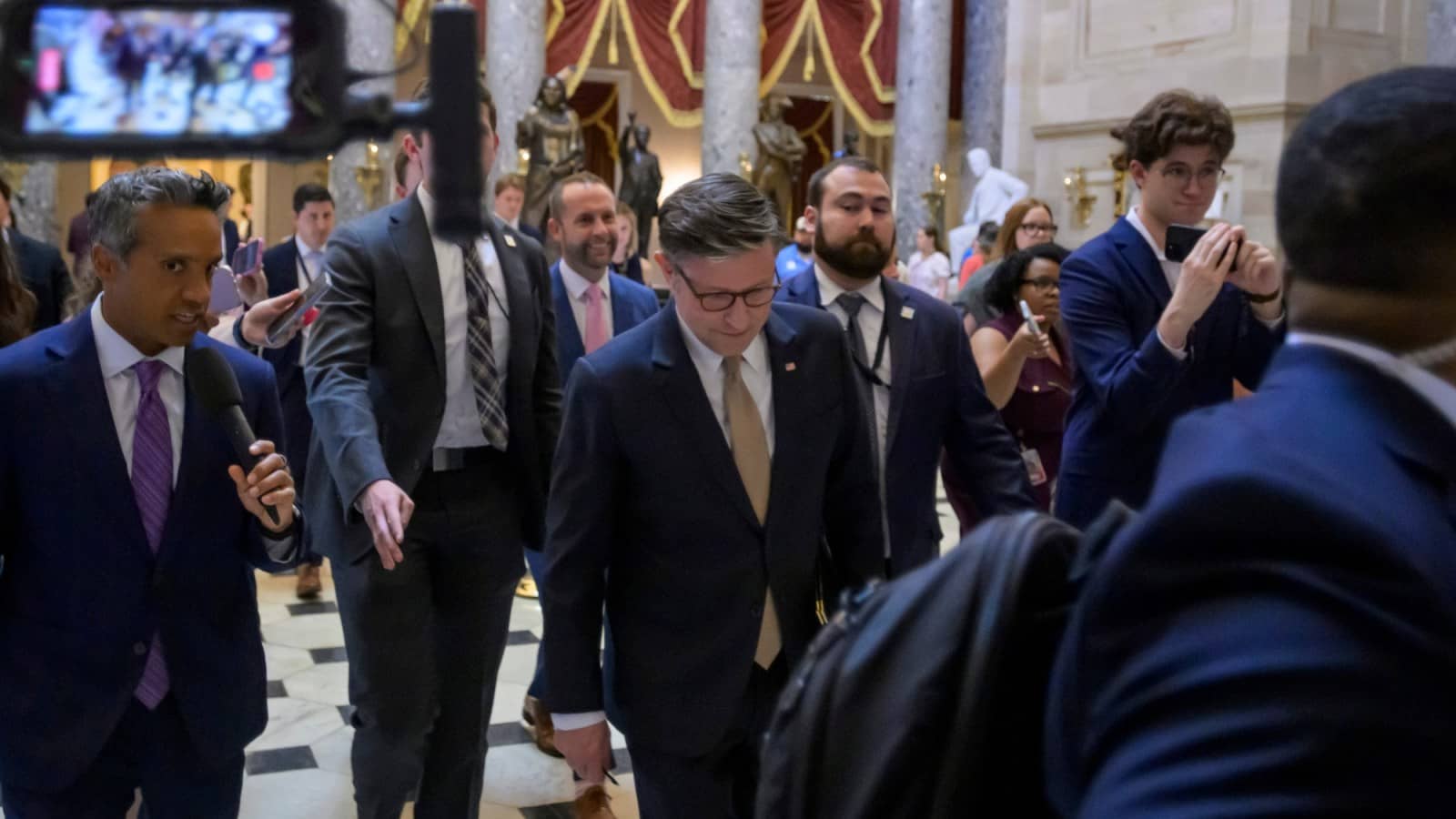

Legislative Schedule Collapses Amid Internal GOP Conflict
In an unusual disruption to the congressional calendar, House Republicans experienced a significant deadlock stemming from demands made by former President Donald Trump. The internal disagreement within the Republican caucus led directly to the cancellation of scheduled votes and the early departure of lawmakers from Washington.
The sequence of events culminated in the suspension of legislative business that had been planned for the session. According to reports, the conflict prevented the House leadership from proceeding with its agenda, resulting in the premature end of the workday for many members of the Republican majority.
This disruption highlighted a fracture in party unity as lawmakers faced conflicting directives. The standoff effectively halted the legislative process for the period, leaving several pieces of legislation in limbo as the House adjourned earlier than anticipated.
Defense and Voting Bills Stalled by Revolt
The immediate casualty of this political deadlock was a defense bill that had been moving through the legislative pipeline. The internal Republican conflict stalled the progress of this critical national security legislation, preventing it from reaching a vote or further committee consideration during the session.
Alongside the defense measure, a voting bill also fell victim to the GOP revolt. Both pieces of legislation were left without momentum as the party struggled to reconcile its internal differences regarding former President Trump's demands.
The stalling of these bills underscores the extent of the disagreement within the Republican ranks. Lawmakers who might have otherwise supported or advanced the measures found themselves unable to do so due to the broader political impasse triggered by the former president's influence on party strategy.
Impact on Congressional Operations
The cancellation of votes had immediate operational consequences for the House. With the leadership unable to secure the necessary support to move forward, the scheduled legislative actions were scrubbed from the calendar. This decision forced lawmakers to return home before the end of the official session hours.
Reports indicate that the departure was not a standard adjournment but rather a result of the deadlock. The early exit of members signaled the severity of the disagreement, which was sufficient to halt the functioning of the House chamber for the day.
Broader Implications of the Standoff
The incident marks a notable moment in recent congressional history, where external demands from a former president directly impacted the legislative output of the current House. The deadlock serves as a case study in the tensions between party leadership and the base or influential figures within the coalition.
As lawmakers returned to their districts, the unresolved issues surrounding the defense and voting bills remained pending. The fate of these measures now depends on whether the Republican caucus can resolve its internal conflicts and resume legislative activity in future sessions.
The event has drawn attention to the mechanisms by which former presidents can influence current legislative outcomes. While no official statement detailed the specific terms of Trump's demands, the outcome was clear: a paralyzed House GOP unable to pass key bills or maintain a full session.
Current Status of Affected Legislation
The defense bill and voting legislation remain stalled as of the conclusion of the session. No new timeline for their revival has been established by House leadership. The focus now shifts to whether the Republican majority can unite sufficiently to address these legislative priorities in subsequent meetings.
Observers note that such deadlocks are rare but not unprecedented in American political history. However, the direct link to demands from a former president and the resulting early dismissal of lawmakers distinguishes this event as a significant disruption to normal congressional procedure.
The House has now recessed with its agenda incomplete. The actions taken by Republican members to leave the session early reflect a breakdown in consensus that will likely be analyzed in future political assessments of party cohesion and legislative effectiveness.