Full story
Candidates Face Off on Policy Issues Ahead of November Vote
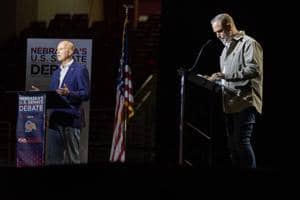
Nebraska's candidates for the U.S. Senate held a public debate at the Nebraska State Fair, focusing on economic policy, border security, and healthcare funding. The event took place inside the Big Iron Events Center, drawing fairgoers who gathered to hear the candidates present their platforms before the upcoming general election.
The discussion covered several high-stakes topics that are central to the campaign trail this cycle. According to reports from the Lincoln Journal Star, the Star Herald, the Kearney Hub, and the Columbus Telegram, the candidates addressed tariffs, immigration enforcement, and Medicaid funding. The debate served as a key opportunity for voters to compare the two contenders' positions on federal policy before casting their ballots on Nov. 3.
Debate Focuses on Economic and Border Security Policies
Tariffs were among the primary subjects of discussion during the wide-ranging exchange. The candidates outlined their respective views on trade policy and how tariff structures impact Nebraska's agricultural and business sectors. While specific quotes regarding the nuances of tariff implementation were not detailed in the available reporting, the inclusion of tariffs as a headline topic indicates its significance to the electorate.
Immigration policy also featured prominently in the debate. The candidates discussed their approaches to border security and immigration enforcement, reflecting broader national conversations on the issue. Reports from multiple outlets, including the Columbus Telegram, noted that the candidates "come out swinging" during this segment of the debate, suggesting a vigorous exchange of viewpoints on how to manage cross-border issues.
Healthcare Funding and Medicaid Take Center Stage
Medicaid funding was another critical topic addressed by the Senate hopefuls. As healthcare costs remain a pressing concern for many Nebraskans, the candidates presented their strategies for maintaining or modifying the state's participation in the federal Medicaid program. The Kearney Hub reported on the debate's coverage of this issue, highlighting the financial implications of current healthcare policies for residents.
The debate provided a structured environment for the candidates to articulate their policy differences directly to an audience of constituents. By addressing tariffs, immigration, and Medicaid in a single forum at the state fair, the event allowed voters to assess the candidates' readiness to handle complex federal responsibilities.
Event Draws Attention from Across the State
The Nebraska State Fair debate attracted attention from news organizations across the region. The Lincoln Journal Star, Star Herald, Kearney Hub, and Columbus Telegram all covered the event, underscoring its importance in the local political landscape. Each outlet reported on the candidates' performance and the specific policy points raised during the session.
With the Nov. 3 election approaching, such public forums play a crucial role in informing the electorate. The Big Iron Events Center hosted the debate, providing a central location for fair attendees to engage with the candidates outside of traditional campaign rallies or televised town halls.
The coverage from these regional publications confirms that the debate was a significant event in the final stretch of the campaign. By focusing on tariffs, immigration, and Medicaid, the candidates addressed issues that directly affect Nebraska's economy and social services. The event concluded with the candidates having presented their cases to a segment of the voting public, setting the stage for the final days of campaigning before Election Day.