Full story
Confirmation of Wheat Transit Through Azerbaijani Corridor
A shipment of Russian wheat is scheduled to pass through Azerbaijani territory and enter Armenia on Saturday, according to the Press Service of Azerbaijan Railways CJSC (ADY). The announcement was reported by AzerNEWS, which cited the railway company's official statement regarding the logistics of the cargo.
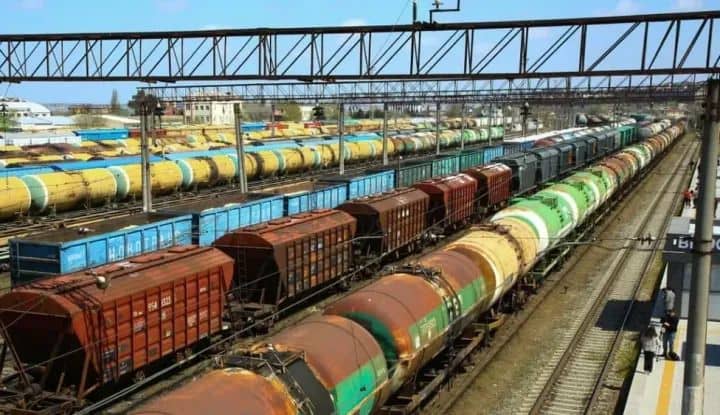
The specific composition of this transit operation involves 11 railcars carrying wheat. The destination for these cars is Armenia. This movement of goods represents a concrete implementation of recent policy shifts regarding cross-border transportation in the South Caucasus region.
Policy Shift and Regional Connectivity Efforts
The transit of Russian grain follows a significant administrative change announced by Azerbaijani leadership late last year. On October 21, 2025, President Ilham Aliyev made an announcement alongside President Kassym-Jomart Tokayev of Kazakhstan. During this joint statement, President Aliyev declared that Azerbaijan had lifted all restrictions on cargo transit to Armenia.
These restrictions had been in place during the period of occupation, according to the details provided by the Azerbaijani president at the time. The removal of these barriers was intended to facilitate trade and connectivity across the region.
Precedent Set by Kazakh Grain Delivery
Prior to the arrival of the Russian wheat, another shipment had already utilized this newly opened corridor. President Aliyev noted during the October 21, 2025 announcement that the first cargo to benefit from the new policy was a delivery of Kazakh grain. That shipment was delivered to Armenia via Azerbaijan, establishing a precedent for the use of Azerbaijani rail infrastructure for third-party goods destined for Armenia.
The current shipment of Russian wheat serves as further evidence of these efforts to promote regional connectivity. It demonstrates the facilitation of trade routes across the South Caucasus. This development occurs despite longstanding political tensions in the region, which have historically complicated cross-border logistics and diplomatic relations between the involved parties.
Implications for South Caucasus Trade Routes
The movement of agricultural commodities through this corridor highlights the evolving nature of trade in the area. By allowing Russian wheat to transit through Azerbaijan to reach Armenia, the operation underscores a practical application of the lifted restrictions.
AzerNEWS reported the details of the shipment on Friday, August 14, 2026, noting the timing of the transit for Saturday. The report emphasized that this event marks another example of cargo transit between Russia and Armenia through Azerbaijani territory.
The decision to remove restrictions was part of a broader strategy to normalize transportation links. This strategy aims to reduce logistical bottlenecks that have previously affected regional commerce. The involvement of multiple nations in the supply chain—Russia as the exporter, Azerbaijan as the transit provider, and Armenia as the importer—illustrates the complex interdependencies in the region's economy.
Official Statements on Transit Logistics
The Press Service of Azerbaijan Railways CJSC provided the technical details of the shipment. Their statement confirmed the number of railcars and the nature of the cargo. This level of detail from state-owned railway operators indicates a formalized process for such transits.
The transit is not an isolated incident but part of a continuing trend. The earlier delivery of Kazakh grain and the subsequent Russian wheat shipment suggest that the corridor is becoming a regular route for agricultural goods. This regularity may contribute to stabilizing supply chains in the South Caucasus.
The announcement by President Aliyev and President Tokayev in October 2025 set the legal and political framework for these movements. The implementation of this framework through actual shipments like the current wheat cargo demonstrates the operationalization of diplomatic agreements. The focus remains on the facilitation of trade routes despite the broader geopolitical context.
No other parties have provided immediate public comment on the specific logistics of this Russian wheat shipment beyond the initial reports from AzerNEWS and the Azerbaijan Railways Press Service. The event continues to be monitored as an indicator of regional economic integration efforts.