


Naval Defeat and Strategic Retreat
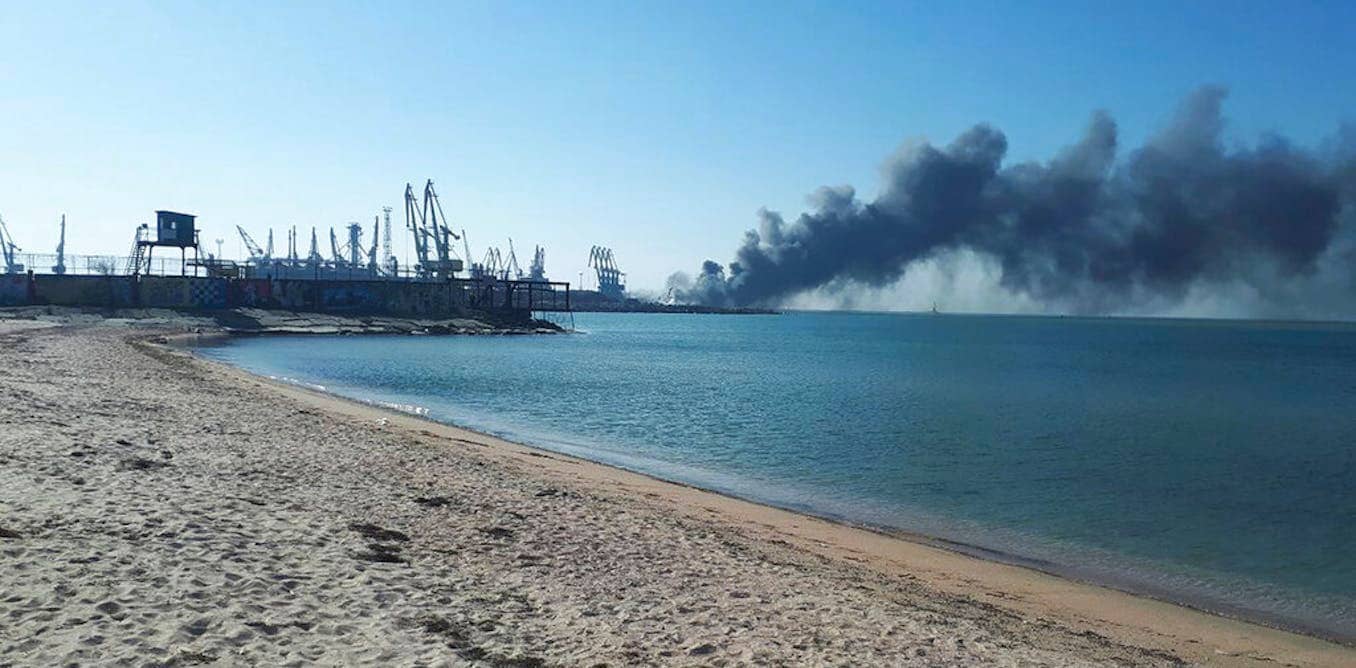
Russia is experiencing what has been characterized as a "dreadful naval war" in the Black Sea, resulting in a stunning defeat in the contest for control of the waters. This loss has forced Moscow to retreat from the Ukrainian shoreline and keep its ships far from the battlefront.
The defeat constrains Russia's ability to project power globally through naval means and limits its sea-power reach. As a consequence of these setbacks, Moscow is becoming more reliant on naval support from China. Reports indicate that Russia is emerging as a "junior party" to Beijing on the high seas.
While the ongoing conflict between Russia and Ukraine has played out largely on land and in the air, characterized by a grueling ground war and brutal Russian aerial attacks on civilian infrastructure, the naval dimension remains a vital focus of the war. Ukraine has mounted a slow but increasing response to Russian attacks across all domains.
Historical Control and Trade Disruption
Russia's ability to dominate these waters stems from its seizure of the Crimean Peninsula in 2014. This action allowed Moscow to control the naval port of Sevastopol, turning what were previously near waters of Ukraine into de facto near waters for Russia.
Control of these near waters enabled Russia to disrupt Ukraine’s trade, particularly grain exports destined for African far waters. The shift in naval power dynamics significantly impacted regional logistics and international supply chains during the conflict.
Restoration of Maritime Routes
In response to Russian aggression, Romania, Bulgaria, and Turkey collaborated to allow the passage of cargo ships through their near waters and via the Bosporus into the Mediterranean Sea. This cooperation provided Ukraine with a critical alternative to Russian-controlled ports.
Ukraine exported between 5.2 million and 5.8 million tons of grain per month in the first quarter of 2024 using these routes. This volume represented a decline from approximately 6.5 million tons per month prior to the war. However, it marked a significant recovery from the summer of 2023, when exports had dropped to just 2 million tons due to Russian attacks and threats.
Ukraine was able to access far waters for economic gain because Russia was unwilling to face the consequences of attacking ships in NATO countries’ near waters. This restraint by Moscow allowed maritime trade to resume through allied nations' territories, mitigating some of the strategic advantages gained from the initial seizure of Crimea.