

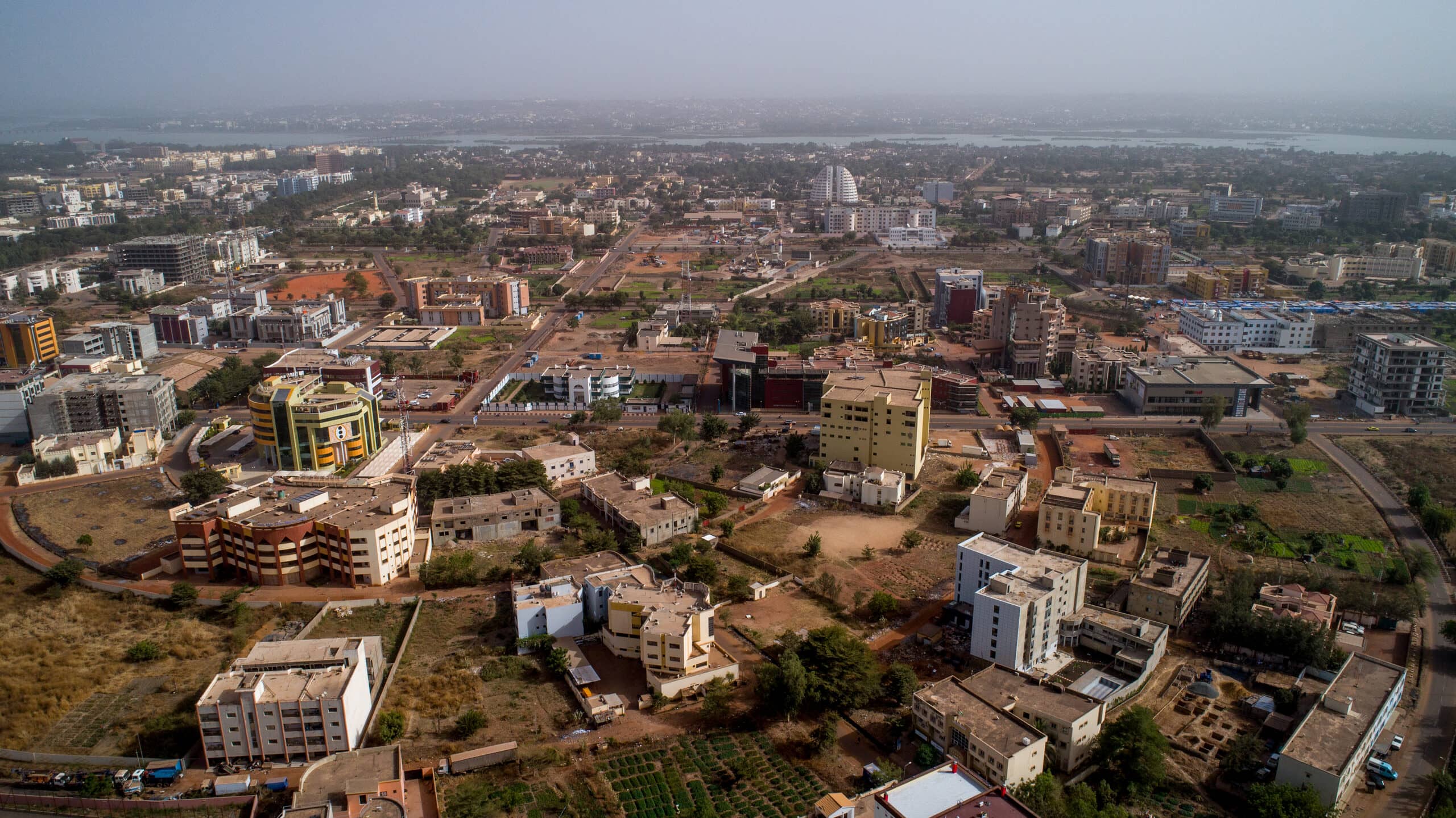

Sahel States Initiate Withdrawal Process
Three nations located within the Sahel region of Africa—Burkina Faso, Mali and Niger—have officially initiated the legal process required to withdraw from the International Criminal Court. The move marks a significant development in international judicial relations as these states formally distance themselves from the war-crimes court.
Niger was the first among the three nations to submit its notification of withdrawal. On June 18, 2026, officials in Niger notified the United Nations Secretariat that their country intended to cease participation in the ICC.
Following this initial step, Burkina Faso and Mali submitted their respective notifications two days later. The deadline for these submissions was observed on June 24, 2026, according to records from the International Criminal Court.
The decision by all three governments comes after a period of reported friction between Sahelian leaderships and the Hague-based institution. While specific details regarding diplomatic exchanges prior to this announcement were not detailed in available reports, the simultaneous nature of the withdrawals suggests coordinated action among the nations.
Legal experts note that once a state submits its notice of withdrawal under Article 127 of the Rome Statute—the treaty establishing the ICC—the process is automatic and does not require further approval from other member states or court officials.
The One-Year Timeline for Effectiveness
According to the founding treaty governing the International Criminal Court, a withdrawal notice submitted by a state party takes exactly one year to become effective. This timeline applies uniformly regardless of which nation submits the notification.
Niger's withdrawal is scheduled to take effect on June 18, 2027. Burkina Faso and Mali will see their withdrawals from the court’s jurisdiction become official on June 24, 2027.
During this one-year period following notification, the nations remain technically bound by the provisions of the Rome Statute but have ceased active participation in its mechanisms. The states retain certain rights and obligations during this interim phase until the formal severance occurs.
The International Criminal Court has acknowledged receipt of these notifications. No immediate suspension or revocation proceedings were reported at the time of submission.
Regional Context and Diplomatic Implications
The departure of Burkina Faso, Mali and Niger represents a substantial reduction in membership for the court within West Africa. These nations are among the most populous countries on the continent.
The timing of these withdrawals coincides with broader geopolitical shifts reported across multiple regions. Analysts suggest that external tensions may have influenced domestic decisions regarding international judicial engagement.
Reports indicate that similar trends in diplomatic alignment were observed elsewhere during 2026, though specific details about other nations' actions remain separate from the ICC case.
The International Criminal Court operates under a mandate to prosecute individuals for genocide, crimes against humanity and war crimes. Its jurisdiction extends globally when states are parties to the Rome Statute or when the United Nations Security Council refers a situation.
By withdrawing, these Sahelian nations will no longer be subject to the court's direct jurisdiction over their territories unless referred by the UN Security Council. The decision affects how future cases involving crimes committed in West Africa might be pursued under current international frameworks.
No official statement from the ICC addressed the immediate implications of losing three member states simultaneously during a single reporting cycle.
Operational Adjustments and Future Prospects
The International Criminal Court must now adjust its operational planning to account for reduced access in parts of West Africa. The court relies on cooperation from state parties regarding evidence collection, witness protection and arrest warrants.
Nations that withdraw may still cooperate voluntarily with the ICC after their exit becomes effective. However, such cooperation is not legally mandated once the withdrawal timeline concludes.
Reports suggest that other member states have expressed concern over potential precedents set by these withdrawals. The legal community continues to monitor whether similar notices might be submitted by additional nations in subsequent months.
The United Nations has maintained its standard position on international justice mechanisms while processing the administrative aspects of these departures.
Financial contributions from member states will continue until their respective withdrawal dates arrive. After those dates expire, former members are no longer required to contribute assessed dues or voluntary funds designated for court operations.
The impact on ongoing investigations involving West African contexts remains under review by the Office of the Prosecutor. No new indictments were announced specifically linked to these withdrawals.
International observers continue to track developments as the one-year countdown proceeds for each nation individually. The legal status of individuals subject to ICC warrants in former member states will depend on whether those nations choose voluntary cooperation after their exit becomes official.