

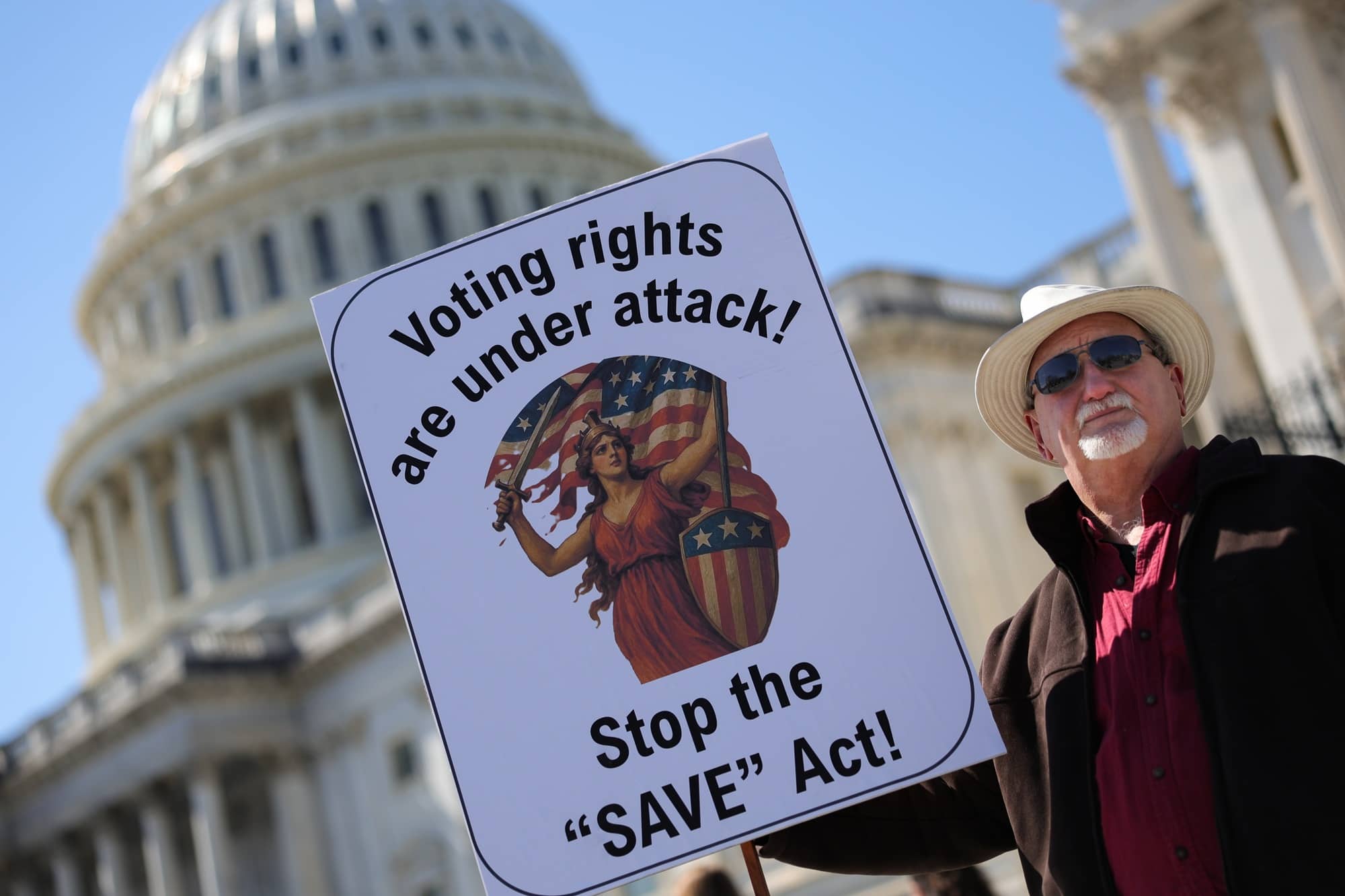

Legislative Scope Expands Across Multiple Domains
The SAVE Act proposals have been characterized by their extensive reach, impacting a wide array of sectors within the United States. According to reporting from The American Prospect, the legislation is described as having a broad scope that affects various parts of the national infrastructure and regulatory environment. This expansive nature marks a significant development in the current legislative landscape, drawing attention to the comprehensive changes being proposed under this single framework.
Reports indicate that the SAVE Act is not limited to a single policy area but instead targets multiple sectors simultaneously. The breadth of these proposals has led observers to note that the legislation "comes for everything," suggesting a sweeping alteration to existing laws and regulations across different domains. This approach contrasts with previous legislative efforts that typically focused on specific issues or isolated sectors.
Precedent Set by Previous FISA and Housing Measures
The current push for the SAVE Act follows a series of earlier legislative actions that have already reshaped key areas of governance. First, the Foreign Intelligence Surveillance Act (FISA) was addressed through measures associated with the broader SAVE framework. Subsequently, a housing bill that overwhelmingly passed Congress became part of this legislative trajectory.
The passage of the housing bill marked a pivotal moment in the implementation of these policies. The overwhelming support for the housing measure demonstrated the political momentum behind the SAVE Act proposals. This prior success has set the stage for further expansions of the legislation's influence, as policymakers move to address additional sectors under the same umbrella.
Timeline of Legislative Actions
The sequence of events leading to the current state of the SAVE Act began with changes to FISA. These initial adjustments laid the groundwork for subsequent legislative efforts. The housing bill followed, passing with significant majorities in Congress. This progression highlights a strategic approach to lawmaking, where earlier successes are leveraged to advance more comprehensive proposals.
Congressional Lawmaking Curtailed for Remainder of Year
As the SAVE Act proposals gain traction, there are reports that congressional lawmaking will be significantly curtailed for the rest of 2026. The American Prospect article, published on June 25, 2026, states that the legislation is anticipated to end regular congressional lawmaking activities for the remainder of the year. This prediction suggests a shift in how Congress operates, with the SAVE Act taking precedence over other legislative priorities.
The anticipation that congressional lawmaking will be halted underscores the urgency and scale of the SAVE Act proposals. Lawmakers may find their ability to introduce or pass new bills restricted as attention and resources are directed toward implementing the SAVE framework. This development has raised questions about the future role of Congress in shaping policy outside of the SAVE Act's provisions.
Implications for Future Legislation
The potential end to congressional lawmaking for the rest of the year has significant implications for other policy areas. Issues that typically require legislative attention may be delayed or deprioritized as the focus remains on the SAVE Act. This shift could affect a wide range of topics, from economic regulations to social policies, depending on how the SAVE Act is implemented and enforced.
Observers note that the concentration of legislative effort on the SAVE Act may limit Congress's ability to respond to emerging issues or crises. The curtailment of lawmaking activities suggests a centralized approach to governance, where the SAVE Act serves as the primary vehicle for policy changes in the near term.
Political Reactions and Observations
The broad scope of the SAVE Act proposals has drawn attention from various political observers and commentators. David Dayen, writing for The American Prospect, highlighted the comprehensive nature of the legislation and its potential impact on congressional operations. His reporting emphasizes the significance of the SAVE Act in shaping the political landscape for the rest of 2026.
While specific responses from opposing parties are not detailed in the provided source context, the characterization of the SAVE Act as targeting "everything" suggests a polarized reaction to the legislation. The extensive reach of the proposals has likely sparked debate among lawmakers and stakeholders about the appropriate scope of government intervention in various sectors.
Public Engagement and Awareness
The publication of articles discussing the SAVE Act indicates growing public awareness of the legislation's implications. Media coverage plays a crucial role in informing citizens about the potential changes to laws and regulations that affect their daily lives. As the SAVE Act proposals continue to develop, public engagement may increase as individuals and groups seek to understand how these changes will impact them.
The focus on the SAVE Act in media reports reflects its importance in the current political discourse. By highlighting the broad scope and potential curtailment of congressional lawmaking, journalists are drawing attention to the significant shifts occurring in the legislative process. This coverage helps ensure that the public is informed about the developments surrounding the SAVE Act and its consequences for governance in the United States.