


The Rise of Independent Challenges
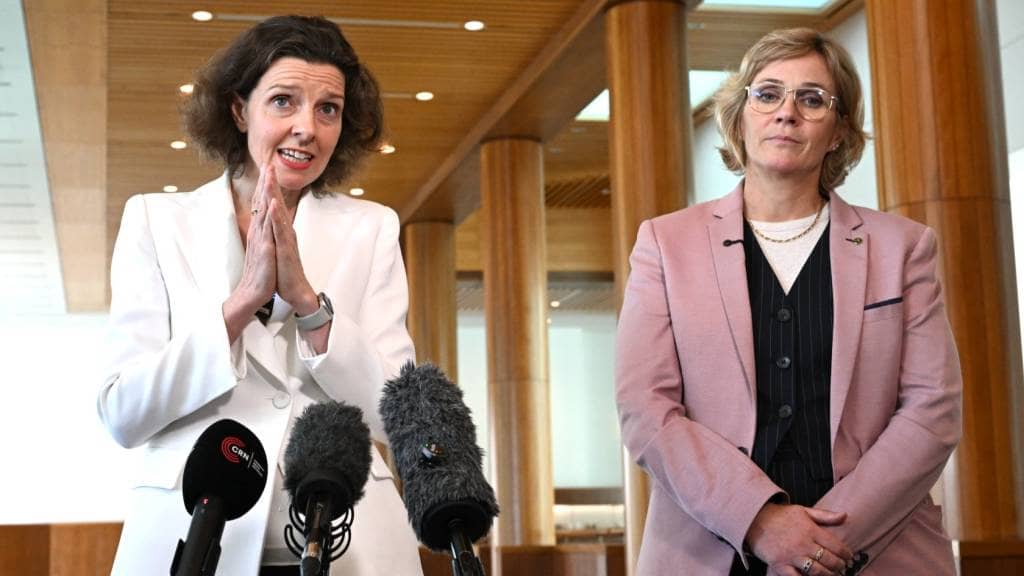
The 2022 Australian federal election marked a significant shift in the political landscape, particularly for the Liberal Party. A wave of independent candidates, often referred to as "teal" independents due to their blend of conservative fiscal policies and progressive social and environmental stances, successfully unseated Liberal incumbents in traditionally safe seats. This phenomenon demonstrated a clear pathway for non-major party candidates to gain traction in electorates previously considered Liberal heartlands.
Key victories included Allegra Spender in Wentworth (NSW), who defeated Dave Sharma; Zali Steggall in Warringah (NSW), who retained her seat after first defeating former Prime Minister Tony Abbott in 2019; Monique Ryan in Kooyong (VIC), who unseated then-Treasurer Josh Frydenberg; Kylea Tink in North Sydney (NSW), who defeated Trent Zimmerman; Sophie Scamps in Mackellar (NSW), who defeated Jason Falinski; and Kate Chaney in Curtin (WA), who defeated Celia Hammond. Additionally, David Pocock secured a Senate seat in the Australian Capital Territory, further highlighting the appeal of independent representation.
Characteristics of Vulnerable Liberal Seats
An analysis of the electorates won by "teal" independents reveals common demographic and socio-economic characteristics. These seats are typically located in affluent, inner-urban or suburban areas of major capital cities such as Sydney, Melbourne, and Perth. They often feature a high proportion of residents with tertiary education, professional occupations, and above-average incomes. Historically, these electorates have been strongholds for the Liberal Party, reflecting a voter base that traditionally valued economic management and individual enterprise.
However, the success of the independents suggests a growing segment of this demographic has become disillusioned with the major parties, particularly the Liberal Party's positions on issues such as climate change, federal integrity, and gender equality. Voters in these areas often express concerns about environmental policy, transparency in government, and the representation of women in politics, aligning with the platforms championed by the "teal" candidates.
Potential Target Electorates for a Hypothetical Teal Party
Should a formal "teal party" emerge, its strategy would likely involve targeting Liberal-held seats that share similar characteristics with those already won by independents. These electorates would be identified based on their demographic profile, voting history, and the perceived vulnerability of the sitting Liberal member.
New South Wales
- Bradfield: Located on Sydney's affluent North Shore, Bradfield is currently held by Paul Fletcher. It has historically been a safe Liberal seat, with a demographic profile — high education, high income, professional workforce — that mirrors electorates like Warringah and North Sydney.
- Berowra: Situated in Sydney's north-west, Berowra is held by Julian Leeser. While slightly more suburban than inner-city seats, it shares a similar demographic of educated professionals and families, making it a potential target if local issues align with the broader "teal" platform.
- Mitchell: Also in Sydney's north-west, Mitchell is held by Alex Hawke. This electorate, while traditionally very strong for the Liberals, could be considered if there is a significant shift in voter sentiment among its educated and professional residents.
Victoria
- Menzies: Located in Melbourne's eastern suburbs, Menzies is currently held by Keith Wolahan. This electorate shares many characteristics with Kooyong, including a high proportion of educated, affluent residents. The close proximity and similar socio-economic makeup make it a plausible target.
- Casey: An outer-eastern Melbourne seat held by Aaron Violi, Casey could be considered. While slightly less inner-urban than Kooyong or Menzies, it still contains areas with demographics that might be receptive to a "teal" message, particularly concerning environmental policy and local issues.
Western Australia
- Moore: Located in Perth's northern suburbs, Moore is held by Ian Goodenough. This electorate shares some demographic similarities with Curtin, particularly in its more affluent coastal areas, which could make it susceptible to a well-resourced "teal" challenge.
South Australia
- Sturt: An eastern Adelaide seat held by James Stevens, Sturt has a demographic profile that includes educated professionals and higher-income households. While South Australia has not yet seen a "teal" independent victory at the federal level, the underlying demographics in Sturt could make it a future consideration.
Strategic Implications for the Liberal Party
The potential formation of a "teal party" and its strategic targeting of these electorates would present a significant challenge to the Liberal Party. It would necessitate a re-evaluation of their policy positions and candidate selection in these key seats. The success of independents in 2022 demonstrated that a significant portion of the Liberal Party's traditional base is willing to vote for alternatives that address their concerns on climate, integrity, and social issues, even if it means departing from a long-held party affiliation.
A formal "teal party" could consolidate resources, develop a unified platform, and potentially attract more coordinated funding and volunteer support than individual independent campaigns. This could amplify the threat to Liberal incumbents in seats that are demographically similar to those already lost, forcing the Liberal Party to adapt its messaging and policy focus to reclaim or defend these electorates.