Full story
Legislative Milestone for State Police Framework
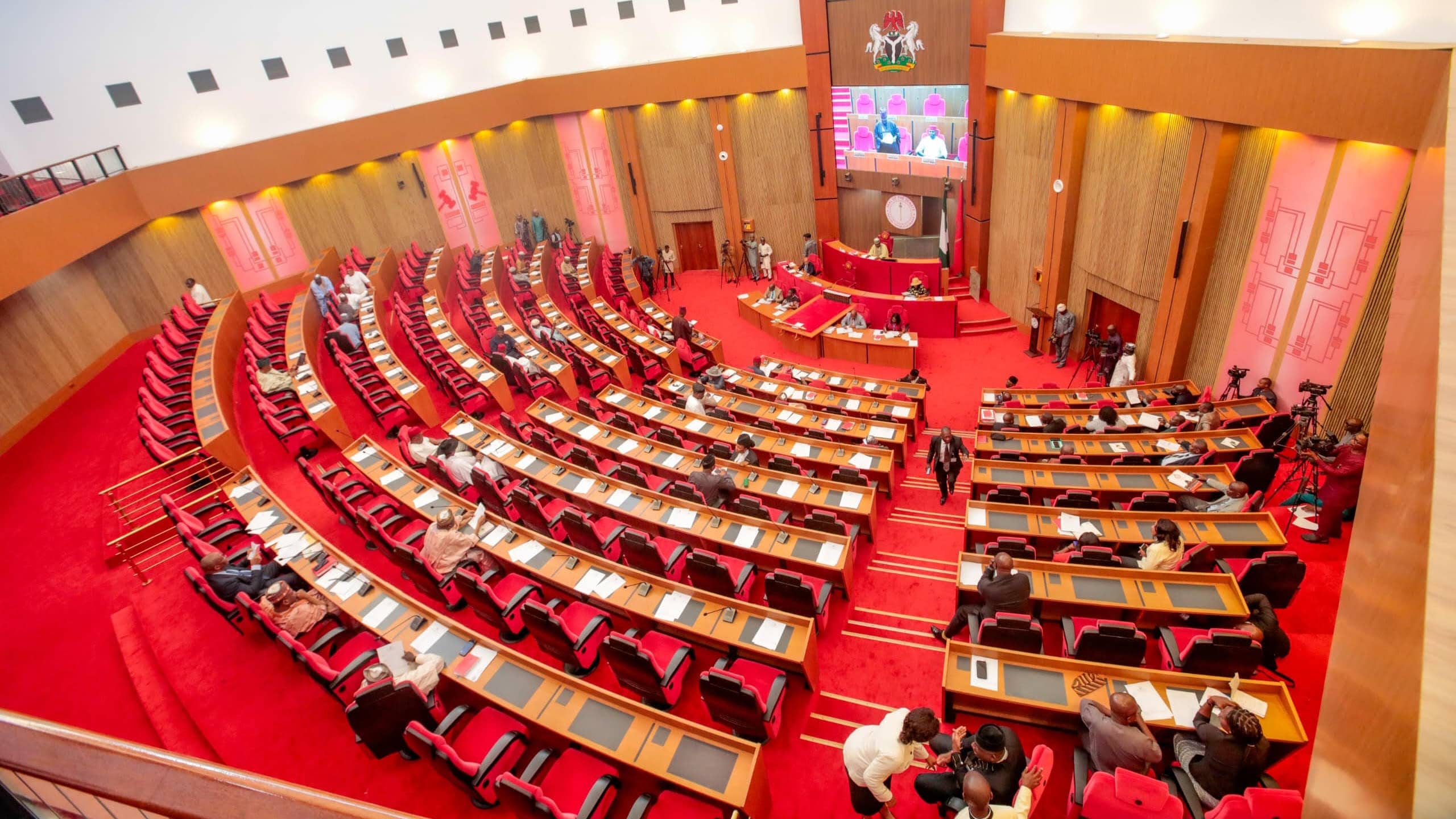
The Nigerian Senate approved legislation on Thursday that advances the authority of state police forces, marking a significant procedural step in a long-standing debate over security decentralization. The passage of the bill provides new momentum to the proposal, which has been discussed by lawmakers for years without achieving final enactment.
The legislative action follows a similar move by the lower chamber of the National Assembly. Earlier, the House of Representatives passed a bill with the full title: “A Bill for an Act to Alter the Constitution of the Federal Republic of Nigeria, 1999 to Provide for the Establishment of State Police and for Related Matters (Sixth Alteration) Bill, 2026.”
The approval by the Senate indicates that both arms of the National Assembly have now acted on the proposal. However, the legislative process requires further coordination between the two chambers before the bill can proceed to the final stages of ratification.
Procedural Requirements and Harmonization
According to reports gathered by Daily Trust, the House of Representatives must still harmonize its version of the bill with an executive bill previously sent by President Bola Ahmed Tinubu. This harmonization process is a standard legislative requirement when multiple versions of a bill exist from different sources within the National Assembly.
Once the content is harmonized, the House will forward the unified bill to the Senate for further action. The Senate's recent approval represents one version of the legislation, but the final text sent to the state level will depend on this reconciliation process between the House and the executive branch's proposal.
The President’s involvement in the timeline was highlighted by a letter sent to the Senate on Tuesday. In the correspondence, President Tinubu requested the speedy consideration of the legislation, indicating executive support for expediting the review process.
Senate Debate and Constitutional Alteration Process
The legislative proceedings in the upper chamber were marked by expedited readings of the bill. Opeyemi Bamidele, the Leader of the Senate representing Ekiti Central, presented the bill for its first, second, and third readings during the plenary session.
This procedural approach allowed the Senate to debate and approve the measure in a single sitting. The presentation by Bamidele signaled the Senate's readiness to move the legislation forward without extended deliberation periods typically associated with constitutional amendments.
Presiding Officer’s Statement on Next Steps
Senate President Godswill Akpabio presided over the plenary during the debate. Before the discussion commenced, Akpabio outlined the subsequent steps in the legislative timeline. He stated that once the bill is passed by the National Assembly, it will be forwarded to the state Houses of Assembly for further legislative action.
This forward step is a constitutional requirement for altering the Nigerian Constitution. Any amendment to the 1999 Constitution must be approved by at least two-thirds of all state Houses of Assembly before it can be signed into law by the President. The bill specifically seeks to introduce the Sixth Alteration to the Constitution, which would legally permit the establishment of police forces under the control of individual state governments.
The approval by the Senate and the prior passage by the House represent a dual-chamber endorsement of the concept. The focus now shifts to the technical harmonization of the bill's text and the subsequent distribution to the 36 state legislatures across Nigeria.
Implications for Security Structure
The long-debated nature of the state police issue reflects years of discussion regarding security management in Nigeria. The current legislative push suggests a renewed political will to alter the centralized security structure established under the existing constitutional framework.
By passing the bill, the Senate has effectively cleared one major hurdle in the amendment process. The legislation, if successfully harmonized and ratified by the states, would change the legal basis for policing in Nigeria, allowing states to create their own police forces alongside the federal Nigeria Police Force.
The timeline for this process remains dependent on the speed of harmonization between the House and the President's executive bill, followed by the legislative schedules of the various state Houses of Assembly. No specific date has been set for the completion of these subsequent steps.