


Vucic Resigns Early to Pursue Prime Minister Role
Aleksandar Vucic resigned from Serbia’s presidency eight months before the end of his second term on September 27. He signed the resignation document in Belgrade and will head his party’s list in the upcoming snap parliamentary election scheduled for October 25.
Vucic is seeking the prime minister’s office, a position that the Serbian constitution vests with more formal authority than the presidency. By moving to this role, Vucic aims to remain in power beyond 2027, as the constitution bars him from serving a third presidential term.
Following the resignation, Ana Brnabic, the speaker of the National Assembly and a former prime minister allied with Vucic, assumed the role of acting president. A new presidential election must be held within 90 days of the vacancy, placing the deadline for that vote no later than December 27.
Energy Infrastructure Faces Immediate Expiration Dates
The incoming government will inherit two critical energy deadlines shortly after the October 25 vote. The United States licenses for Serbia’s only oil refinery are set to expire on October 30, just days before the parliamentary election.
Additionally, Serbia’s stopgap arrangement for Russian gas is scheduled to expire on December 31. These timelines create a narrow window for the next administration to negotiate new energy security frameworks.
Opposition Stance on Russia Remains Unchanged
An opposition victory in the snap election would not alter Serbia’s position regarding sanctions against Russia. The Student List, the student-led opposition slate participating in the election, has pledged to maintain Belgrade’s refusal to join international sanctions on Moscow.
Origins of the Political Crisis
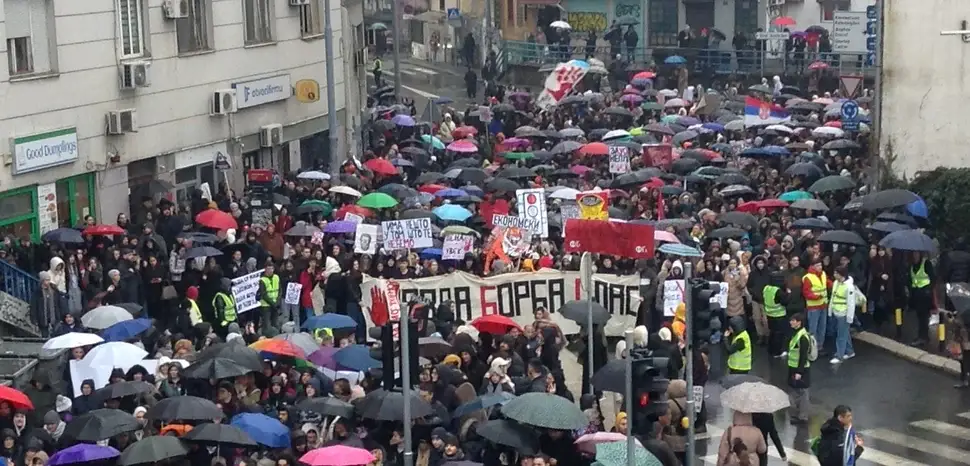
The current political crisis that precipitated these developments began on November 1, 2024. On that date, a concrete canopy collapsed at the newly renovated railway station in Novi Sad, resulting in 16 deaths.
Students blamed corruption in public contracting for the structural failure and initiated a campaign of protests and university blockades. These demonstrations contributed to the political pressure leading to Vucic’s early resignation and the call for snap elections.